Code: 01648852
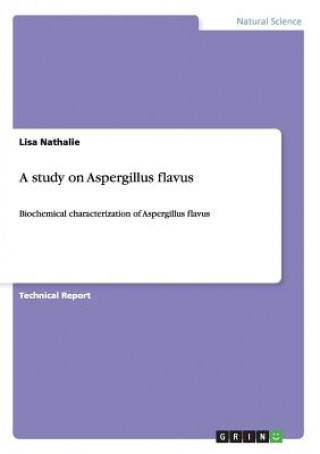
study on Aspergillus flavus
by Lisa Nathalie
Technical Report from the year 2011 in the subject Biology - Micro- and Molecular Biology, printed single-sided, grade: -, The University of Mysore (-), course: Biotechnology, language: English, abstract: Aspergillus flavus is the ... more


- Language:
 English
 - Binding: Paperback
- Number of pages: 32
Publisher: Grin Publishing, 2011
- More about this

17.08 €
RRP: 20.04 €
You save 2.96 €

In stock at our supplier
Shipping in 5 - 8 days
You might also like
-

A maffia ölelésében - javított újrakiadás
16.98 € -11 % -

Jak přežít v Rusku 1990 - 2003
7.17 € -11 % -

Landmarks: The Modern House in Denmark
34.27 € -17 % -

Scottish Myths and Legends
7.47 € -15 % -

Belleville
12.93 € -14 % -

Vládci času
7.17 € -27 % -

Beginning Learner's Ukrainian Dictionary
15.46 € -25 % -
Perinatal Palliative Care
110.71 € -9 % -

Poems Of Jane E. D. Conklin (1884)
22.84 € -2 % -

The Maria and Neoptolemos Michaelides Residence
59.85 € -17 % -

Detective's Daughter
11.82 € -25 % -

Berserk: Ultimative Edition
16.47 € -14 % -

Fundamentalistisch induzierte Krisen am Beispiel ausgewahlter Falle
42.76 € -11 % -

Pauli Fuchs kommt in eine neue Schule
21.43 € -10 % -

Auxiliar de Enfermería del Servicio Andaluz de Salud. Temario Específico Volumen 2
54.90 € -

Creation Versus Evolution: A Biblical and Scientific Study for Youth
14.05 € -6 % -

Życie Maryi w wizjach wielkich mistyczek
12.22 € -1 % -

The Semi-Attached Couple
20.52 € -14 % -
Report
36.39 € -2 % -

Gifted Education as a Lifelong Challenge
50.35 € -4 % -

Analyse Du Jeu D'echecs
26.38 € -
Conferences Faites Au Musee Guimet. Tome 32
24.06 € -

Ancestry Quest
15.76 € -9 % -

History of Lawaan Eastern Samar and The Legends About Agtak by Crispin G. Gavan
16.17 € -10 % -

Resurrection Heart: A Science Fiction Romance
10 € -7 % -

Lieber Picasso, wo bleiben meine Harlekine?
10 € -10 % -

Geschichte Der Wetterauischen Gesellschaft Für Die Gesamte Naturkunde: Eine Festgabe Zur Feier Ihres Hundertjährigen Bestehens
30.93 € -2 % -

Nurse Practitioners Guide On How To Start An Independent Practice
18.29 € -7 %
Give this book as a present today
- Order book and choose Gift Order.
- We will send you book gift voucher at once. You can give it out to anyone.
- Book will be send to donee, nothing more to care about.
More about study on Aspergillus flavus
You get 41 loyalty points
 Book synopsis
Technical Report from the year 2011 in the subject Biology - Micro- and Molecular Biology, printed single-sided, grade: -, The University of Mysore (-), course: Biotechnology, language: English, abstract: Aspergillus flavus is the most widely known species of the genus Aspergillus which is known as a species in 1809 and first reported as a plant pathogen in 1920. Many fungi produce mycotoxin, a toxic secondary metabolite. Most A. flavus produces aflatoxin, a type of mycotoxin that is harmful for human, animal, and plant health. Characterization study of this saprophyte is important for the management of various human, animal, and plant diseases as well for surveillance, and other epidemiological study. The study focused on 3 subjects, morphological and physiological study, enzyme activity, and aflatoxin production from ground nut seeds collected from all over India. The growth of this fungus was compared in 4 different media for morphological study and in 4 different temperature on PDA media for physiological study. For enzyme activity, amylolytic, proteolytic, lipolytic, cellulolytic, pectinolytic and catalytic activity were determined. The presence of aflatoxin was performed using thin layer chromatography method. Among 12 isolates, amylase activity was shown by only 12 isolates and there is no clear zone in the remaining 8 isolates. Five isolates did not produce any protease among the 20 tested. Where as 18 isolates were positive for pectin methyl production. In case of lipase, 3 isolates did not show any white precipitation and all other isolates showed white precipitate due to the activity of lipase. Cellulose activity was very low in all the tested isolates and only 2 (AF7 and AF14) isolates exhibited the activity of cellulose in culture plates. Specific activity of catalase was calculated for all the isolates and all the isolates showed varied level of activity. The highest activity (210 mg/ml) was recorded by AF3 isolate and the least activity (1.58 mg/ml) in AF12. Among the 20 of isolates tested, 12 isolates of Aspergillus flavus were toxigenic by fluorescing blue spots for the presence of AFB1/AFB2 or both and 8 isolates. In summary, morphological, physiological, and biochemical studies are important to identify plant pathogenic fungus such Aspergillus flavus. Aflatoxin, being the widely produced mycotoxin of A. flavus is easily contaminates food and soil, thus its detection is required. Furthermore, by screening the extracellular enzymes activity, one can understand the ability ofparticular fungus to produce certain enzymes that have major contribution in biotechnology.
Book details
Book category Books in English Mathematics & science Biology, life sciences Microbiology (non-medical)
17.08 €
- Full title: study on Aspergillus flavus
- Author: Lisa Nathalie
- Language: English
- Binding: Paperback
- Number of pages: 32
- EAN: 9783640989638
- ISBN: 3640989635
- ID: 01648852
- Publisher: Grin Publishing
- Weight: 54 g
- Dimensions: 210 × 148 × 2 mm
- Date of publishing: 21. October 2011
Trending among others
-

Hot Zone
12.83 € -25 % -
Hidden Half of Nature
14.05 € -25 % -

Heretic's Notebook
27.39 € -2 % -
Essentials of Food Science
37.61 € -
Brock Biology of Microorganisms, Global Edition
95.14 € -

Parasite Rex (with a New Epilogue): Inside the Bizarre World of Nature'sMost Dangerous Creatures
14.05 € -25 % -
Plant Anatomy
65.51 € -9 % -

Brief History Of Bacteria, A: The Everlasting Game Between Humans And Bacteria
78.76 € -
Principles of Virology, Fifth Edition Multi-Volume
175.22 € -

The Perfect Predator
14.75 € -25 % -
Microbiology Coloring Book
37.91 € -14 % -
Viruses: More Friends Than Foes
27.29 € -
Sacred Mushroom of Visions
18.60 € -9 % -

Field Guide to Bacteria
21.63 € -25 % -
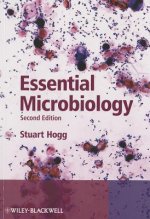
Essential Microbiology 2e
65.92 € -
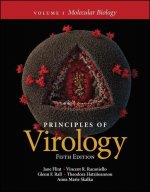
Principles of Virology - Molecular Biology, Fifth Edition Volume 1
110 € -5 % -
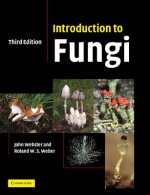
Introduction to Fungi
101.41 € -
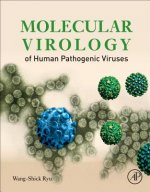
Molecular Virology of Human Pathogenic Viruses
80.07 € -

Bad Advice
20.31 € -24 % -
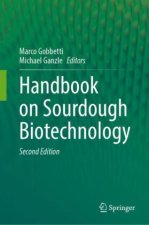
Handbook on Sourdough Biotechnology
221.23 € -9 % -

Brewing Science: A Multidisciplinary Approach
70.57 € -9 % -
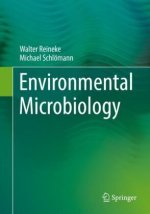
Environmental Microbiology
65.51 € -9 % -
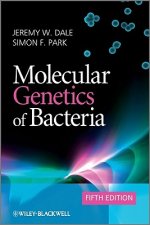
Molecular Genetics of Bacteria 5e
116.37 € -
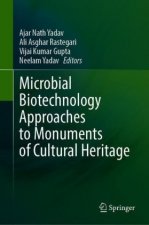
Microbial Biotechnology Approaches to Monuments of Cultural Heritage
167.64 € -
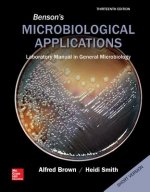
Benson's Microbiological Applications, Laboratory Manual in General Microbiology, Short Version
143.27 € -

Arbuscular Mycorrhizal Fungi
201.11 € -9 % -

The Perfect Predator
30.53 € -17 % -
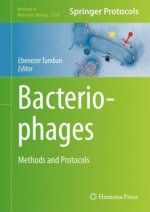
Bacteriophages
201.11 € -9 % -

Bioethanol Fuel Production Technology
35.68 € -14 % -
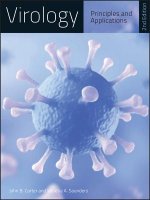
Virology - Principles and Applications 2e
68.14 € -
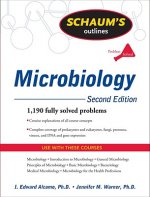
Schaum's Outline of Microbiology, Second Edition
26.68 € -18 % -
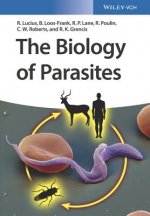
Biology of Parasites
101.91 € -
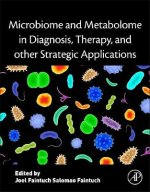
Microbiome and Metabolome in Diagnosis, Therapy, and other Strategic Applications
85.23 € -
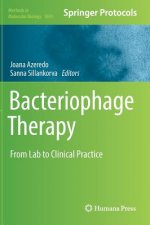
Bacteriophage Therapy
211.22 € -

Third Domain
25.57 € -9 % -
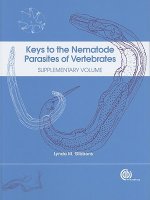
Keys to the Nematode Parasites of Vertebrates
181.39 € -
Borrelia: Molecular Biology, Host Interaction and Pathogenesis
226.19 € -2 % -
Bergey's Manual of Systematic Bacteriology
618.92 € -

Thinking Like a Phage
29.52 € -
Bacteriophages
616.29 € -7 % -
Algal Biorefineries
154.29 € -7 % -

Thermophilic Microorganisms and Life at High Temperatures
89.78 € -
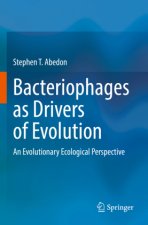
Bacteriophages as Drivers of Evolution
143.98 € -7 % -
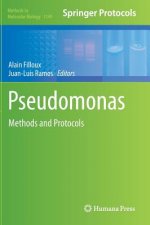
Pseudomonas Methods and Protocols
288.37 € -

Listen to the Music
35.48 € -24 % -
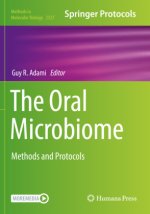
Oral Microbiome
119 € -
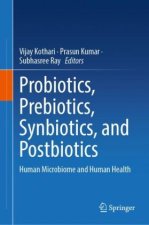
Probiotics, Prebiotics, Synbiotics, and Postbiotics
287.76 € -7 % -

Comprehensive Gut Microbiota
1608.33 € -9 % -

Candida auris
146.91 €
Collection points Bratislava a 12833 dalších
Copyright ©2008-26 najlacnejsie-knihy.sk All rights reservedPrivacyCookies

 25670 collection points
 Delivery 2.99 €
 02/210 210 99 (8-15.30h)