Code: 04680342
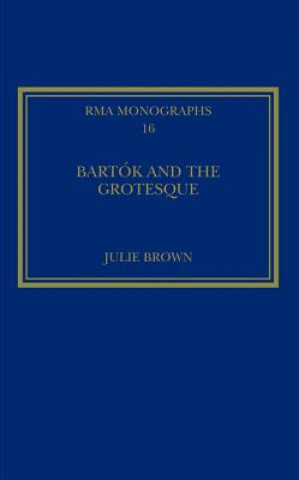
Bartok and the Grotesque
by Julie Brown
The grotesque is one of art's most puzzling figures - transgressive, comprising an unresolvable hybrid, generally focussing on the human body, full of hyperbole, and ultimately semantically deeply puzzling. In "Bluebeard's Castle" ... more


- Language:
 English
- Binding: Hardback
- Number of pages: 192
Publisher: Taylor & Francis Ltd, 2007
- More about this

238.26 €
Availability:
50/50 We think title might be available. Upon your order we will do our best to get it within 6 weeks.
We search the world
You might also like
-

Small-Scale Cheese Business
27.13 € -22 % -

Grave Secrets
10.04 € -29 % -
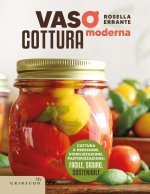
Vasocottura moderna. Cottura a pressione, sterilizzazione, pastorizzazione: facile, sicuro, sostenibile
21.20 € -
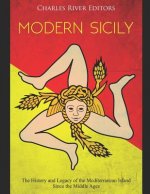
Modern Sicily: The History and Legacy of the Mediterranean Island Since the Middle Ages
11.05 € -6 % -

Solutions: Upper-Intermediate: Class Audio CDs (2)
29.55 € -6 % -

Aura Rosenberg: Head Shots: Photographs by Aura Rosenberg
23.31 € -24 % -

The World's Great Sermons
31.66 € -1 % -

Seesaw
18.69 € -7 % -

Tribologia delle pastiglie dei freni
35.38 € -14 % -

Ale už dosť!
6.52 € -15 % -

Women's Health Advocacy
63.23 € -

Die Glaubenslehre Der Mennoniten Oder Taufgesinnten Nach Deren Offentlichen Glaubensbekenntnissen
14.17 € -25 % -
Registers of the Parish of Thorington, in the County of Suffolk; With Notes of the Different Acts of Parliament Referring to Them, and Notices of the
16.38 € -24 % -
Die Auslandstätigkeit der Deutschen Telekom
48.25 €
Give this book as a present today
- Order book and choose Gift Order.
- We will send you book gift voucher at once. You can give it out to anyone.
- Book will be send to donee, nothing more to care about.
Availability alert
Enter your e-mail address and once book will be available,
we will send you a message. It's that simple.
More about Bartok and the Grotesque
You get 580 loyalty points
 Book synopsis

The grotesque is one of art's most puzzling figures - transgressive, comprising an unresolvable hybrid, generally focussing on the human body, full of hyperbole, and ultimately semantically deeply puzzling. In "Bluebeard's Castle" (1911), "The Wooden Prince" (1916/17), "The Miraculous Mandarin" (1919/24, rev. 1931) and "Cantata Profana" (1930), Bartok engaged scenarios featuring either overtly grotesque bodies or closely related transformations and violations of the body. In a number of instrumental works he also overtly engaged grotesque satirical strategies, sometimes - as in "Two Portraits: 'Ideal' and 'Grotesque'" - indicating this in the title.In this book, Julie Brown argues that Bartok's concerns with stylistic hybridity (high-low, East-West, tonalatonal-modal), the body, and the grotesque are inter-connected. While Bartok developed each interest in highly individual ways, and did so separately to a considerable extent, the three concerns remained conceptually interlinked. All three were throughly implicated in cultural constructions of the Modern during the period in which Bartok was composing.
Book details
Book category Books in English The arts Music Music: styles & genres
238.26 €
- Full title: Bartok and the Grotesque
- Author: Julie Brown
- Language: English
- Binding: Hardback
- Number of pages: 192
- EAN: 9780754657774
- ISBN: 0754657779
- ID: 04680342
- Publisher: Taylor & Francis Ltd
- Weight: 408 g
- Date of publishing: 28. October 2007
Trending among others
-
Dancing The Dream
21.91 € -34 % -
Moonwalk
13.66 € -16 % -

Just Kids
14.06 € -14 % -

Michael Jackson
22.01 € -18 % -

M Train
13.26 € -23 % -
The Jazz Theory Book
56.39 € -10 % -
The Long Hard Road Out Of Hell
13.66 € -29 % -

My Friend Michael
18.49 € -29 % -
Elvis and Me
8.43 € -30 % -
Pink Floyd All The Songs
50.16 € -13 % -

Dancing with Myself
10.75 € -29 % -
Ocean of Sound
15.07 € -7 % -

Can I Say
10.04 € -29 % -
Real Book
36.79 € -23 % -

Autobiography
12.86 € -30 % -

Tunesmith
16.48 € -25 % -

I'm the Man
18.29 € -16 % -
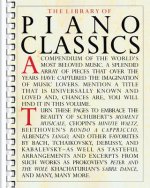
Library of Piano Classics
22.11 € -25 % -
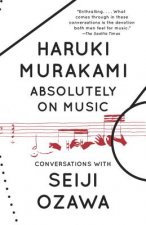
Absolutely on Music
14.37 € -25 % -
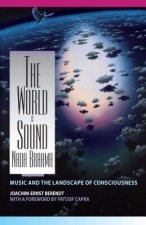
Nada Brahma - the World is Sound
14.37 € -24 % -
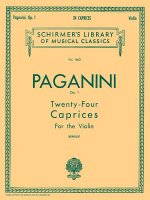
Paganini: Twenty-Four Caprices for the Violin, Op. 1
10.55 € -9 % -

The Dirt - Mötley Crüe
17.18 € -16 % -

Porcelain
16.78 € -18 % -
Real Book - Volume III
36.18 € -25 % -

Songwriters On Songwriting
18.59 € -25 % -
It's So Easy (and other lies)
11.75 € -24 % -

Kanye West's My Beautiful Dark Twisted Fantasy
12.15 € -15 % -

Comfortably Numb
16.08 € -29 % -

Ariana
10.75 € -24 % -

Iron Man
12.46 € -30 % -

Punk, Post Punk, New Wave
30.55 € -30 % -

First Time Ever
13.86 € -27 % -

Coloratura Arias For Soprano - Complete Package
46.44 € -9 % -

Late Night Jazz
17.68 € -22 % -
Linkin Park
45.63 € -

Rihanna: Rebel Flower
13.46 € -29 % -

Morrissey and Marr: The Severed Alliance
21.40 € -25 % -

Diana Ross
10.34 € -15 % -

Jazz Standards
67.25 € -

Traditional Tunes of the Child Ballads, Vol 1
31.16 € -10 % -
Jazz Piano Book
42.72 € -9 % -
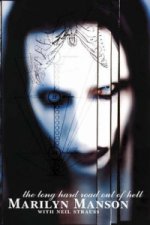
Long Hard Road Out Of Hell
17.88 € -29 % -
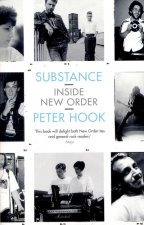
Substance: Inside New Order
14.97 € -4 % -

Lords Of Chaos - 2nd Edition
21.30 € -5 % -
Scales and Finger Exercises
10.65 € -8 % -

Please Kill Me
13.46 € -34 % -
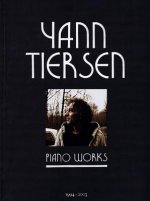
Yann Tiersen - Piano Works
27.03 € -24 % -
Michael Jackson
12.26 € -25 % -

Grunge is Dead
17.18 € -24 %
Collection points Bratislava a 13569 dalších
Copyright ©2008-26 najlacnejsie-knihy.sk All rights reservedPrivacyCookies

 27142 collection points
 Delivery 2.99 €
 02/210 210 99 (8-15.30h)
