
Code: 04560062
Capital Controls
by Forrest Capie
Free capital movements played an important part in the economic integration and globalisation of the nineteenth century. By the end of the century capital flows were on a remarkable scale. The modern use of capital controls dates ... more


- Language:
 English
 - Binding: Paperback
- Number of pages: 111
Publisher: Institute of Economic Affairs, 2002
- More about this

11.29 €
RRP: 15.09 €
You save 3.80 €
Availability:
50/50 We think title might be available. Upon your order we will do our best to get it within 6 weeks.
We search the world
You might also like
-

Gnomes
25.21 € -24 % -

Ultrasonic Waves in Solid Media
75.96 € -
![FLE (Français langue étrangère). Le français en vrai ! Pour communiquer au quotidien [B1-C1] (avec fichiers audio)](https://media.libris.to/jacket/34249503t.jpg "FLE (Français langue étrangère). Le français en vrai ! Pour communiquer au quotidien [B1-C1] (avec fichiers audio)")
FLE (Français langue étrangère). Le français en vrai ! Pour communiquer au quotidien [B1-C1] (avec fichiers audio)
16.64 € -3 % -

Reawakened
12.60 € -20 % -

Separation Anxiety in Dogs - Next Generation Treatment Protocols and Practices
14.72 € -25 % -

Creating Character Arcs Workbook: The Writer's Reference to Exceptional Character Development and Creative Writing
17.24 € -7 % -

El bosque
4.33 € -10 % -

English Language
12.80 € -18 % -

Byzantské legendy
17.34 € -19 % -

Les écureuils de Central Park sont tristes le lundi
17.24 € -

Anunnaki Ulema Secret of Longevity. Never Look Your Age
7.05 € -1 % -

Grand Complications
19.56 € -22 % -

How the Law Works
54.37 € -

Frank Stewart's Bridge Club
15.32 € -18 % -

Convent
8.67 € -25 % -

A. E. Housman
10.78 € -24 % -

All the Days and Nights
13.91 € -24 % -

Art of War for Writers
16.13 € -18 % -

A Gentleman's War
41.05 € -

Co je nám po Hekubě
10.08 € -15 % -

Latin American Thought
73.64 € -

Risk-Based Maintenance for Electricity Network Organizations
112.98 € -7 % -

Guide to Liverworts of North Carolina
132.45 € -

Ausonius of Bordeaux
76.76 € -

A Monologue of a Renminbi Bill
16.64 € -6 % -

Seasonal Activities
6.24 € -

November
21.98 € -

Planning Game
242.12 € -

Montrose
19.56 € -21 % -

X-Men : L'intégrale 1997 (II) (T49)
45.99 € -

BEBEDOR DE VINO DE PALMA
23.60 € -

Der Feenstein
21.68 € -7 % -

Paul Smith's Adirondack Hotel and College
22.99 € -25 % -

The Learned Banqueters
33.89 € -

eDemocracy
42.66 € -14 % -

Measurement of the Thermodynamic Properties of Single Phases
253.01 € -

El misteri del bressol buit
23.90 € -

Code of Federal Regulations, Title 45, Public Welfare, PT. 1-199, Revised as of October 1, 2011
57.50 € -7 % -

Racial Order Of Things
30.26 € -

That Month in Tuscany
25.01 € -7 % -

When Wilma Rudolph Played Basketball
8.36 € -26 % -

Mastering Modern Linux
94.82 €
Give this book as a present today
- Order book and choose Gift Order.
- We will send you book gift voucher at once. You can give it out to anyone.
- Book will be send to donee, nothing more to care about.
Availability alert
Enter your e-mail address and once book will be available,
we will send you a message. It's that simple.
More about Capital Controls
You get 27 loyalty points
 Book synopsis
Free capital movements played an important part in the economic integration and globalisation of the nineteenth century. By the end of the century capital flows were on a remarkable scale. The modern use of capital controls dates back to the 1930s. Professor Capie analyses historical experience with capital controls, in Britain and elsewhere, and reviews the theory. He concludes that such controls are damaging and that there is no case for reviving them, as some economists have suggested and as anti-globalisers would wish. Capital mobility improves the worldwide allocation of resources, channelling resources to their most productive uses. Controls on capital movements result in dead weight losses and bureaucratic costs. They are difficult to remove and they damage the credibility of the government's commitment to a market economy.
Book details
11.29 €
- Full title: Capital Controls
- Subtitle: A Cure Worse Than the Problem?
- Author: Forrest Capie
- Language: English
- Binding: Paperback
- Number of pages: 111
- EAN: 9780255365062
- ISBN: 0255365063
- ID: 04560062
- Publisher: Institute of Economic Affairs
- Weight: 136 g
- Dimensions: 196 × 131 × 7 mm
- Date of publishing: 20. June 2002
Trending among others
-

Market Wizards
21.58 € -22 % -
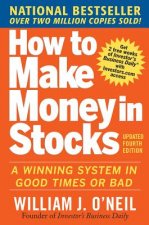
How to Make Money in Stocks
17.54 € -24 % -

Common Stocks and Uncommon Profits and Other Writings
20.47 € -24 % -

Options, Futures, and Other Derivatives, Global Edition
83.83 € -

Intelligent Investor
24.61 € -30 % -

Stan Weinstein's Secrets For Profiting in Bull and Bear Markets
18.25 € -24 % -

Learn to Earn
14.01 € -25 % -

How to Trade In Stocks
20.27 € -24 % -

Way of the Turtle: The Secret Methods that Turned Ordinary People into Legendary Traders
26.42 € -25 % -

The Dhandho Investor
26.62 € -24 % -

Unknown Market Wizards
24.61 € -28 % -

Most Important Thing Illuminated
21.58 € -25 % -

Art and Science of Technical Analysis - Market Structure, Price Action, and Trading Strategies
68.69 € -25 % -

Reminiscences of a Stock Operator, Annotated Edition - With New Commentary and Insights on the Life and Times of Jesse Livermore
30.05 € -26 % -

Market Microstructure Theory
30.56 € -25 % -

Little Book That Builds Wealth - The Knockout Formula for Finding Great Investments
20.27 € -24 % -

Trading Price Action Trends: Technical Analysis of Price Charts Bar by Bar for the Serious Trader
53.86 € -25 % -

Trading Chaos - Maximize Profits with Proven Technical Techniques 2e
55.58 € -23 % -

Big Short
13.41 € -23 % -
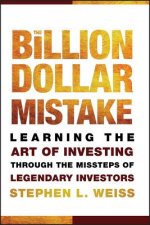
Billion Dollar Mistake - Learning the Art of Investing Through the Missteps of Legendary Investors
25.01 € -25 % -

Damn Right! - Behind the Scenes with Berkshire Hathaway Billionaire Charlie Munger
47.71 € -25 % -

Why Aren't They Shouting?
13.91 € -24 % -

Reminiscences of a Stock Operator
17.65 € -29 % -

Study Guide to Technical Analysis of the Financial Markets
29.05 € -25 % -

The Little Book That Still Beats the Market
20.27 € -24 % -

The Alchemy of Finance
20.47 € -24 % -

The Snowball
19.86 € -17 % -

Complete TurtleTrader
13.91 € -24 % -

Tower of Basel
15.93 € -29 % -

Real Book of Real Estate
14.72 € -25 % -
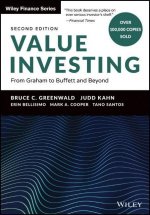
Value Investing - From Graham to Buffett and Beyond, Second Edition
26.62 € -24 % -

Trade Your Way to Financial Freedom
29.85 € -25 % -

Financial Intelligence for Entrepreneurs
23.60 € -23 % -

Anti-Money Laundering in a Nutshell
28.34 € -9 % -

What Every Real Estate Investor Needs to Know About Cash Flow... And 36 Other Key Financial Measures, Updated Edition
21.68 € -24 % -

Fooled by Randomness
13.81 € -20 % -

New Market Wizards
13.31 € -29 % -

Education of a Value Investor
21.38 € -27 % -

When Genius Failed
10.89 € -26 % -

Daily Trading Coach - 101 Lessons for Becoming Your Own Trading Psychologist
33.38 € -24 % -

Mind Over Markets, Updated Edition - Power Trading with Market Generated Information
51.85 € -24 % -

Bank Treasury Management
58 € -25 % -

Buffettology Workbook
14.82 € -24 % -

Building Winning Algorithmic Trading Systems + Website - A Trader's Journey From Data Mining to Monte Carlo Simulation to Live Trading
58.71 € -25 % -

Introduction to Banking
59.31 € -

House of Morgan
17.65 € -24 % -

House of Rothschild
21.18 € -28 % -

ABCs of Real Estate Investing
18.35 € -24 % -

Stock Market Wizards
15.43 € -25 %
Collection points Bratislava a 12666 dalších
Copyright ©2008-26 najlacnejsie-knihy.sk All rights reservedPrivacyCookies

 25336 collection points
 Delivery 2.99 €
 02/210 210 99 (8-15.30h)