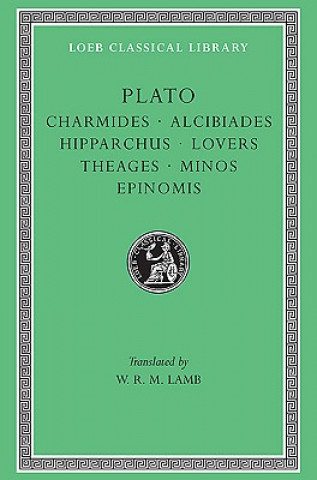
Code: 04430249
Charmides. Alcibiades I and II. Hipparchus. The Lovers. Theages. Minos. Epinomis
by Plato
Plato, the great philosopher of Athens, was born in 427 BCE. In early manhood an admirer of Socrates, he later founded the famous school of philosophy in the grove Academus. Much else recorded of his life is uncertain; that he lef ... more


- Language:
 English
 - Binding: Hardback
- Number of pages: 512
Publisher: Harvard University Press
- More about this

26.62 €
RRP: 33.63 €
You save 7.01 €

Low in stock
Shipping within 24 hours
Potřebujete více kusů?Máte-li zájem o více kusů, prověřte, prosím, nejprve dostupnost titulu na naši zákaznické podpoře.
Add to wishlist
You might also like
-

A Good Girl's Guide to Murder
10.48 € -

AI Engineering
54.26 € -27 % -
The Republic
10.58 € -20 % -

Remina
17.54 € -24 % -
Confessions
6.55 € -24 % -

Blue Lily, Lily Blue
9.98 € -18 % -

Archetype Cards
21.07 € -26 % -

Team of Teams
12.70 € -25 % -

Dark Gathering, Vol. 13
9.27 € -25 % -
Symposium
6.75 € -6 % -
The Symposium
8.56 € -25 % -
Republic
7.86 € -24 % -
Timaeus and Critias
9.87 € -25 % -

Lily of the Field and the Bird of the Air
9.87 € -25 % -
Republic
21.68 € -9 % -
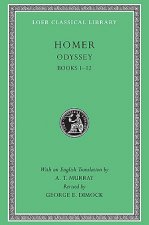
Odyssey
31.16 € -
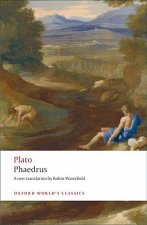
Phaedrus
8.56 € -24 % -
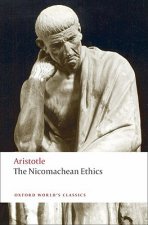
Nicomachean Ethics
11.09 € -14 % -
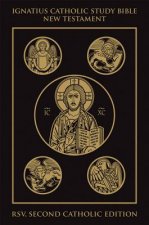
Ignatius Catholic Study Bible: New Testament
28.43 € -25 % -
Last Days of Socrates
10.58 € -25 % -
Symposium and The Death of Socrates
6.75 € -14 % -

Yoga of Power
12.70 € -24 % -
Euthyphro. Apology. Crito. Phaedo
33.28 € -5 % -

Boruto: Naruto Next Generations, Vol. 6
8.66 € -25 % -
Sayings and Anecdotes
11.99 € -23 % -

Flicker in the Dark
11.89 € -16 % -
The Symposium
8.66 € -24 % -
Cynic Philosophers
13.91 € -24 % -
Republic
9.27 € -30 % -
Gorgias
7.15 € -25 % -

Moviegoer
13.40 € -14 % -

Dining in: Highly Cookable Recipes: A Cookbook
26.52 € -28 % -
Roxaboxen
7.86 € -25 % -

Peter Rabbit: A Peep-Inside Tale
9.98 € -22 % -
Protagoras and Meno
9.67 € -25 % -
Symposium
13.91 € -24 % -
STEIN ON WRITING
16.13 € -25 % -
Gorgias
7.86 € -25 % -

Buddha 4
11.29 € -24 % -
Republic
18.04 € -24 % -
Plato Opera Volume I
56.07 € -
The Tolkien Reader
7.25 € -24 % -
Theaetetus
13.91 € -17 % -

BATMAN THE GOLDEN AGE OMNI V02
83.91 € -28 % -
Plato: Phaedo
40.94 € -

Oxford Bookworms Library Factfiles: Level 1:: England
13.51 € -

Crimson Reign
9.77 € -20 % -
Defence of Socrates, Euthyphro, Crito
9.67 € -25 % -

What I Talk About When I Talk About Running
14.82 € -24 % -
Plato Opera Vol. II
46.29 € -
Schopenhauer: A Very Short Introduction
9.98 € -24 % -
Trial and Death of Socrates: Four Dialogues
5.13 € -25 % -
Selected Myths
9.87 € -20 % -
Plato: Symposium
38.32 € -
Collected Dialogues of Plato
86.83 € -5 % -
Lysis. Symposium. Phaedrus
31.16 € -
Plato Opera Vol. III
36.50 € -
Plato Opera Vol. IV
49.31 € -
Plato Opera Vol. V
78.67 € -
The Last Days of Socrates: Euthyphro, Apology, Crito, Phaedo
12.30 € -7 % -
Plato on Love
26.62 € -10 % -
Gorgias
81.19 € -2 % -
Plato: Phaedrus
103.78 € -
Cratylus
10.78 € -
Theaetetus
74.73 € -
Plato's Apology, Crito and Phaedo of Socrates: Plato
8.06 € -6 % -
Plato: Phaedrus
40.94 € -
Allegory of the Cave
11.29 € -

Hitler's Slaves
187.80 € -
Republic
36.30 €
Give this book as a present today
- Order book and choose Gift Order.
- We will send you book gift voucher at once. You can give it out to anyone.
- Book will be send to donee, nothing more to care about.
More about Charmides. Alcibiades I and II. Hipparchus. The Lovers. Theages. Minos. Epinomis
 Book synopsis
Plato, the great philosopher of Athens, was born in 427 BCE. In early manhood an admirer of Socrates, he later founded the famous school of philosophy in the grove Academus. Much else recorded of his life is uncertain; that he left Athens for a time after Socrates' execution is probable; that later he went to Cyrene, Egypt, and Sicily is possible; that he was wealthy is likely; that he was critical of 'advanced' democracy is obvious. He lived to be 80 years old. Linguistic tests including those of computer science still try to establish the order of his extant philosophical dialogues, written in splendid prose and revealing Socrates' mind fused with Plato's thought. In Laches, Charmides, and Lysis, Socrates and others discuss separate ethical conceptions. Protagoras, Ion, and Meno discuss whether righteousness can be taught. In Gorgias, Socrates is estranged from his city's thought, and his fate is impending. The Apology (not a dialogue), Crito, Euthyphro, and the unforgettable Phaedo relate the trial and death of Socrates and propound the immortality of the soul. In the famous Symposium and Phaedrus, written when Socrates was still alive, we find the origin and meaning of love. Cratylus discusses the nature of language. The great masterpiece in ten books, the Republic, concerns righteousness (and involves education, equality of the sexes, the structure of society, and abolition of slavery). Of the six so-called dialectical dialogues Euthydemus deals with philosophy; metaphysical Parmenides is about general concepts and absolute being; Theaetetus reasons about the theory of knowledge. Of its sequels, Sophist deals with not-being; Politicuswith good and bad statesmanship and governments; Philebus with what is good. The Timaeus seeks the origin of the visible universe out of abstract geometrical elements. The unfinished Critias treats of lost Atlantis. Unfinished also is Plato's last work of the twelve books of Laws (Socrates is absent from it), a critical discussion of principles of law which Plato thought the Greeks might accept. The Loeb Classical Library edition of Plato is in twelve volumes.
Book details
Book category Books in English Literature & literary studies Prose: non-fiction Literary essays
26.62 €
- Full title: Charmides. Alcibiades I and II. Hipparchus. The Lovers. Theages. Minos. Epinomis
- Author: Plato
- Language: English
- Binding: Hardback
- Number of pages: 512
- EAN: 9780674992214
- ISBN: 0674992210
- ID: 04430249
- Publisher: Harvard University Press
- Weight: 370 g
- Dimensions: 119 × 169 × 29 mm
Trending among others
-

Slouching Towards Bethlehem
13 € -29 % -

Things I Don't Want to Know
11.19 € -24 % -

Walden
12.19 € -17 % -
Anatomy Of Melancholy
24.50 € -28 % -

Prince
6.55 € -24 % -
Rhetorica ad Herennium
33.58 € -

World-Ending Fire
14.51 € -23 % -

And Our Faces, My Heart, Brief as Photos
10.78 € -24 % -
Hunger
12.19 € -30 % -
Natural History
13.91 € -24 % -
Aesop's Fables
8.56 € -24 % -
Gifts of Reading
9.67 € -29 % -

Complete Works of Oscar Wilde
14.11 € -29 % -

The Fastidious Assassins
9.47 € -24 % -
The Greek Anthology
33.58 € -
Epitome of Copernican Astronomy and Harmonies of the World
12.40 € -17 % -
Oppian, Colluthus, and Tryphiodorus
33.28 € -5 % -

Against Interpretation and Other Essays
13.91 € -14 % -
Upstream
13.40 € -27 % -

How to Use Your Enemies
4.23 € -29 % -
Odyssey
9.27 € -24 % -
Iliad
5.13 € -30 % -

A Cup of Sake Beneath the Cherry Trees
3.72 € -24 % -

WHITE ALBUM: ESSAYS
13 € -29 % -

The Pilgrim's Progress
7.15 € -9 % -

How To Travel With A Salmon
11.89 € -19 % -
Collected Maxims and Other Reflections
10.58 € -25 % -
Saga of the Volsungs
10.78 € -24 % -

Me Talk Pretty One Day
11.39 € -34 % -

On Writing
10.78 € -21 % -
Visions Of Excess
29.14 € -

Essays
31.56 € -24 % -

Love
11.79 € -24 % -
Confession and Other Religious Writings
11.99 € -25 % -

Books v. Cigarettes
8.77 € -24 % -

Flush
10.48 € -26 % -
120 Days of Sodom and Other Writings
16.13 € -25 % -
Hall Of Uselessness
17.04 € -26 % -

Wisdom of the Heart
12.70 € -24 % -
Egil's Saga
13.91 € -24 % -
Essayism
13.91 € -24 % -

Agent Zigzag
14.82 € -24 % -
On the Peace. Areopagiticus. Against the Sophists. Antidosis. Panathenaicus
34.69 € -

The Katherine Mansfield Notebooks
20.26 € -24 % -

Prisons We Choose to Live Inside
12.19 € -20 % -

Tears of Eros
18.35 € -14 % -

Tolkien On Fairy-Stories
10.98 € -30 % -
Book of the City of Ladies
11.99 € -25 % -

Why I Write
8.06 € -30 %
Collection points Bratislava a 13249 dalších
Copyright ©2008-26 najlacnejsie-knihy.sk All rights reservedPrivacyCookies

 26502 collection points
 Delivery 2.99 €
 02/210 210 99 (8-15.30h)