Code: 04041969
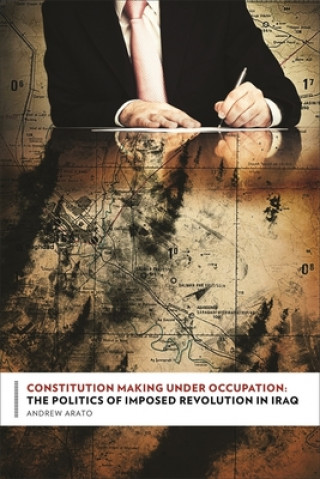
Constitution Making Under Occupation
by A Arato
The attempt in 2004 to draft an interim constitution in Iraq and the effort to enact a permanent one in 2005 were unintended outcomes of the American occupation, which first sought to impose a constitution by its agents. This two- ... more


- Language:
 English
 - Binding: Hardback
- Number of pages: 376
Publisher: Columbia University Press, 2009
- More about this


You might also like
-

Water Dragon's Bride, Vol. 1
7.86 € -25 % -

Fashion Patternmaking Techniques
35.20 € -

Small Victories
15.93 € -24 % -

200 Checkmate Exercises From Tournament Games
8.97 € -

One Piece - Édition originale - Tome 100
10.99 € -
Loki: A Bad God's Guide to Being Good
12.40 € -26 % -

Ukraine
31.67 € -9 % -

Coffret Montessori: Les animaux du monde et leurs milieux
29.75 € -
Addiction in the Vedic Astrology Chart
14.01 € -7 % -

Bad Boys of Brexit
15.73 € -9 % -

Coffret Street Fighter Swimsuit Special Collection
48.31 € -

Digital Forensics and Incident Response
57.90 € -1 % -
Brief Inquiry into the Meaning of Sin and Faith
27.03 € -11 % -

Amo, Amas, Amat ... and All That
14.82 € -9 % -

Rother Wanderführer Costa Daurada
15.22 € -10 % -

Los mocasines de otro hombre
25.62 € -

So Viel Kostet Das Jahr: Haushaltsbuch Jahreskosten Tageskosten Einkauf Verdienst Ausgaben Monatskosten Familie Sportverein Hobby Nebenkosten
8.36 € -6 % -
Natural Background of Meaning
102.69 € -7 % -
Shruti Sagar - श्रुति सागर
27.43 € -

E for English 4e - Anglais Ed.2013 - Manuel + DVD-rom
31.47 € -

Ocean Dumping of Industrial Wastes
51.54 € -7 % -

EL VERANO QUE CAMBIO LA VIDA DE MIHAIL
7.86 € -28 % -
Modélisation du transport solide
49.73 € -11 % -
Im Herzen das Unaussprechliche. Life is a Story - story.one
16.23 € -10 % -

Magician
21.88 € -2 % -

Star Wars : Poe Dameron T02
21.68 € -
Access - Allgemeine Ausgabe 2014 - Band 4: 8. Schuljahr
41.45 € -
The King Of Clubs
9.68 € -7 %
Give this book as a present today
- Order book and choose Gift Order.
- We will send you book gift voucher at once. You can give it out to anyone.
- Book will be send to donee, nothing more to care about.
More about Constitution Making Under Occupation
You get 214 loyalty points
 Book synopsis
The attempt in 2004 to draft an interim constitution in Iraq and the effort to enact a permanent one in 2005 were unintended outcomes of the American occupation, which first sought to impose a constitution by its agents. This two-stage constitution-making paradigm, implemented in a wholly unplanned move by the Iraqis and their American sponsors, formed a kind of compromise between the populist-democratic project of Shi'ite clerics and America's external interference. As long as it was used in a coherent and legitimate way, the method held promise. Unfortunately, the logic of external imposition and political exclusion compromised the negotiations. Andrew Arato is the first person to record this historic process and analyze its special problems. He compares the drafting of the Iraqi constitution to similar, externally imposed constitutional revolutions by the United States, especially in Japan and Germany, and identifies the political missteps that contributed to problems of learning and legitimacy. Instead of claiming that the right model of constitution making would have maintained stability in Iraq, Arato focuses on the fragile opportunity for democratization that was strengthened only slightly by the methods used to draft a constitution. Arato contends that this event would have benefited greatly from an overall framework of internationalization, and he argues that a better set of guidelines (rather than the obsolete Hague and Geneva regulations) should be followed in the future. With access to an extensive body of literature, Arato highlights the difficulty of exporting democracy to a country that opposes all such foreign designs and fundamentally disagrees on matters of political identity.
Book details
Book category Books in English Society & social sciences Society & culture: general Social groups
88.06 €
- Full title: Constitution Making Under Occupation
- Author: A Arato
- Language: English
- Binding: Hardback
- Number of pages: 376
- EAN: 9780231143028
- ISBN: 0231143028
- ID: 04041969
- Publisher: Columbia University Press
- Weight: 658 g
- Dimensions: 229 × 152 × 33 mm
- Date of publishing: 18. February 2009
Trending among others
-

Women Who Run with the Wolves
9.37 € -34 % -

Orientalism
13.21 € -24 % -
When God Was A Woman
14.01 € -25 % -
The Second Sex
14.92 € -29 % -

Who Cooked the Last Supper?
19.16 € -10 % -

Women Who Run With The Wolves
14.52 € -27 % -

Manhood
21.18 € -25 % -
Goddesses in Everywoman
11.09 € -29 % -

How Europe Underdeveloped Africa
22.79 € -5 % -

We Should All Be Feminists
7.96 € -29 % -

Why Does He Do That?
16.13 € -28 % -
Iron John
14.72 € -25 % -

The Way of Men
12.20 € -23 % -

The Mastery of Love
10.89 € -26 % -
Gender Trouble
27.73 € -14 % -
Eros and Mysteries of Love
14.72 € -25 % -

Woman's Dictionary of Sacred Objects
19.36 € -32 % -
Studies in Freemasonry and the Compagnonnage
21.88 € -2 % -

Untouchable
20.27 € -24 % -

Sister Outsider
9.68 € -34 % -

Forbidden Flowers
11.79 € -25 % -

Uncle Tom's Cabin
5.14 € -30 % -

Delusions of Gender
13.31 € -25 % -

Occult Anatomy of Man; To Which Is Added a Treatise on Occult Masonry
6.85 € -

Empire of the Summer Moon
13.31 € -28 % -

Off Limits
15.93 € -22 % -
Women's History of the World
17.34 € -20 % -

Honest Courtesan
35.10 € -

Oxford Handbook of Feminist Theory
56.79 € -

Anti-Semite and Jew
13.11 € -26 % -
Gender and Power
27.03 € -11 % -
Ancient Land: Sacred Whale
22.29 € -
Language of Cities
13 € -25 % -

Mental Load
13.71 € -29 % -

All the Single Ladies
14.01 € -25 % -

Three Years Among the Comanches
12.30 € -18 % -

Mudgirls Manifesto
24.61 € -14 % -
Do Muslim Women Need Saving?
18.86 € -21 % -
Mayan Calendar and the Transformation of Consciousness
17.54 € -24 % -

The Velvet Rage
13.71 € -30 % -

The Manipulated Man
12 € -24 % -

Pink Marine
14.72 € -25 % -

Witches, Midwives, And Nurses
11.69 € -

The Autobiography of Malcolm X
7.86 € -29 % -
Muqaddimah
18.35 € -24 % -
Complete Persepolis
20.07 € -30 % -

Distinction
28.74 € -
Culture of Critique
20.27 € -24 % -

Family Wealth - Keeping it in the Family
32.07 € -26 %
Collection points Bratislava a 12666 dalších
Copyright ©2008-26 najlacnejsie-knihy.sk All rights reservedPrivacyCookies

 25336 collection points
 Delivery 2.99 €
 02/210 210 99 (8-15.30h)