
Code: 49773536
Deadly Divide
by Mary E. Mendoza
When most people picture the US-Mexico border, they think of walls, fences, concrete, and wire. But in this first history of how the environment influenced physical boundary-making between the two nations, Mary E. Mendoza focuses ... more


- Language:
 English
 - Binding: Paperback
- Number of pages: 256
Publisher: University of North Carolina Press, 2026
- More about this


You might also like
-

Archer's Voice
12.93 € -30 % -

Dead Rock 5
9.29 € -25 % -
Roman Landscapes: Visions of Nature and Myth from Rome and Pompeii
28.50 € -25 % -

Papillon
12.22 € -25 % -

Neuroanatomy and Neuroscience at a Glance
56.81 € -
Mike Mulligan and His Steam Shovel 75th Anniversary
16.17 € -25 % -

Kompas Edukacji Wczesnoszkolnej klasa II
12.02 € -

CEH v12 Certified Ethical Hacker Study Guide with 750 Practice Test Questions
50.74 € -7 % -
Petit Poilu Poche - Tome 10 - Amour glacé (Réédition)
9.90 € -

Akka in Action
41.34 € -

Birdy
8.99 € -15 % -

NF EN ISO 14001:2026
41.74 € -

The Theology of the Book of Leviticus
29.81 € -

Antichrist and the Final Solution
22.23 € -
Toda la poesía
48.72 € -

When the Eagle Fly: Sanjung Poems 1
7.27 € -6 % -

De Manet à Kelly.
42.35 € -

Mechanics of Auxetic Materials and Structures
189.74 € -

Le Probleme Des Reparations La Technique Des Reglements
20.11 € -25 % -

Lanfeust von Troy 04. Der Paladin von Eckmül
13.44 € -15 % -

Vive le football !
16.17 € -6 % -
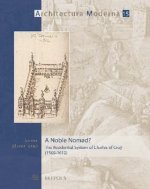
A Noble Nomad?
122.62 € -
Akten zur Geschichte des Krimkriegs. Serie II: Preußische Akten zur... / 9. August 1854 bis 15. April 1856
240.09 € -

The Customer Asset
48.01 € -4 % -

Jerry's Do Not Touch
10.81 € -18 % -

L'Alpha du millenaire Tome 02
11.51 € -

Evocative Strategies in Child and Adolescent Psychotherapy
66.61 € -
El éxito del gas de esquisto y la frustración del presal
35.68 € -14 % -

Moles
33.05 € -

Decolonizing English Language Textbooks
233.42 € -

HAKU
20.61 € -

Déchus
21.93 € -
THE WORKS OF LUCIAN OF SAMOSATA V1
40.83 € -2 % -

The Big Business Card: Promoting Your Business with a Book
14.04 € -7 % -

Krönchen von Ben Muthofer mit Gingkobäumen (Puzzle)
30.32 € -
Gideons Band
32.95 € -14 % -

A Lei De Abuso De Autoridade E Sua (in)constitucionalidade
11.92 € -
Social Media Marketing in Tourism and Hospitality
123.43 € -7 % -

Die Doktrin der Notwendigkeit
32.04 € -11 % -

At The Court Of The Maharaja: A Story Of Adventure (1906)
30.01 € -2 % -

Empty Chairs
16.57 € -7 % -

The Importance of Living Happy
12.32 € -7 % -

Magyarországi vetületek
46.29 € -14 % -
Texte über Medien, Medien über Medien
30.72 € -

Outlines of Psychology: With Special Reference to the Theory of Education
52.56 € -2 % -

Protection Du Premier Age. Execution Et Effets de la Loi Du 23 Decembre 1874
12.12 € -1 % -

Dein Holz
30.42 € -11 % -

Decrecimiento digital
17.38 € -10 % -

Red Zeppelin
19.30 € -2 % -

Culture, Architecture and Nature
68.53 € -

Realities of Irish Life
31.23 € -14 % -

Spo?eczno-kulturowe tre?ci nauczania matematyki
43.76 € -14 % -
La otra cara del tiempo y otros cuentos
15.56 € -
SHREK T1 (OP PRISMA PRESSE)
8.79 € -

Pouille General, Contenant Les Benefices de l'Archeveche de Rouen
22.84 € -
BABADADA, Pulaar - portugues, ɗowitorde nataande - dicionario de imagens
26.88 € -7 %
Give this book as a present today
- Order book and choose Gift Order.
- We will send you book gift voucher at once. You can give it out to anyone.
- Book will be send to donee, nothing more to care about.
More about Deadly Divide
You get 75 loyalty points
 Book synopsis
When most people picture the US-Mexico border, they think of walls, fences, concrete, and wire. But in this first history of how the environment influenced physical boundary-making between the two nations, Mary E. Mendoza focuses on how the natural world shaped ideas about race, gender, and security. In so doing, she unearths surprising origins of the modern-day immigration debate. Mexican migrants have historically been seen by some in the US as invasive and less than human. But actual invasive pests are part of this story. Deadly Divide shows how cattle ticks, the body louse, foot-and-mouth disease, and the female Mexican fruit fly contributed to the to the ever-increasing racialization of Mexican migrants, which in turn led to increased policing, criminalization, and fears about immigrants infiltrating the US. As Mendoza follows the stories of migrants in relation to various species, Indigenous peoples, and officials on both sides of the border, she argues that the need for mobility overpowered both governments’ laws, fences, and agents. At the same time, the border’s symbolic power became a source of terror not only for migrants who try to cross into the US but for those who feel they cannot cross back, making the US a nation that suspends immigrants between two worlds.
Book details
Book category Books in German Naturwissenschaften, Medizin, Informatik, Technik Geowissenschaften Stadt-, Raum- und Landschaftsplanung
31.13 €
- Full title: Deadly Divide
- Author: Mary E. Mendoza
- Language: English
- Binding: Paperback
- Number of pages: 256
- EAN: 9781469695402
- ISBN: 1469695405
- ID: 49773536
- Publisher: University of North Carolina Press
- Weight: 666 g
- Dimensions: 235 × 155 × 25 mm
- Date of publishing: 28. April 2026
Trending among others
-
Prisoners of Geography
11.21 € -17 % -

Is a River Alive?
13.84 € -6 % -

Cucina Vietnamita: Guida Completa al Pho e alle Zuppe Asiatiche del Vietnam
20.01 € -14 % -
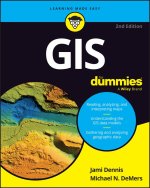
GIS for Dummies
21.73 € -24 % -

The Power of Geography: Ten Maps That Reveal the Future of Our World
14.75 € -25 % -

Atlas of Atlases
34.87 € -11 % -
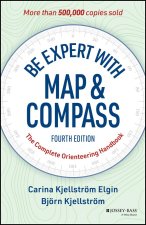
Be Expert with Map and Compass
19.70 € -24 % -

Traditional Woodland Crafts
21.22 € -25 % -

The Shortest History of Migration
11.31 € -14 % -

2026 Philip's Big Easy to Read Britain Road Atlas
18.09 € -24 % -

Photographes en plein ciel
49.43 € -19 % -

Tullahoma
18.19 € -25 % -

Geoarchaologie
47.20 € -6 % -

Schnee und Eis
35.68 € -11 % -

Integrative Transdisciplinarity
42.65 € -4 % -

The Power of Geography: Ten Maps That Reveal the Future of Our World
25.57 € -9 % -

Terra Forma
23.65 € -19 % -

The Maps of Second Bull Run
28.50 € -25 % -

IB Geography Internal Assessment
28.30 € -2 % -
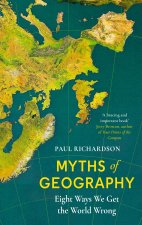
Myths of Geography
18.89 € -

Mourning in the Anthropocene
74.70 € -5 % -

Deterring Armageddon: A Biography of NATO
15.66 € -26 % -

Kuni
13.03 € -26 % -

Die Harmonische Stadt
47.20 € -6 % -

ArcGIS Pro and ArcGIS Online
60.55 € -9 % -

How to Love a Forest
21.02 € -24 % -
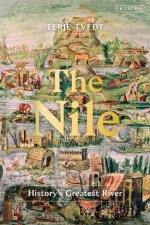
Nile
45.58 € -12 % -

Future of Geography
21.22 € -24 % -
40 Maps That Will Change How You See the World
20.31 € -24 % -

Modern London Maps
29.81 € -27 % -
Age of the City
12.22 € -30 % -

Le Massif central et ses volcans
7.77 € -15 % -

PRIMARY CHRONICLE of Kyivan Rus'
33.25 € -2 % -
Mountains According to G
13.94 € -24 % -
Collectanea rerum memorabilium
34.56 € -2 % -

Nature
7.47 € -14 % -

Four Points of the Compass
24.15 € -9 % -

Iconic Trees of India
25.06 € -25 % -

Infrastructural Times
44.98 € -

Monsieur des Lourdines
17.38 € -14 % -

Ma Provence Perdue
24.56 € -14 % -

Princeton Review AP Human Geography Premium Prep, 2024: 6 Practice Tests + Complete Content Review + Strategies & Techniques
26.17 € -12 % -

Bäume in der Stadt
40.02 € -11 % -

Häfen als Wirtschaftsfaktor
16.17 € -10 % -

21 Jahre in Costa Rica - Mein Leben in einer Bananenrepublik
19.80 € -10 % -

ArcGIS Pro
76.52 € -11 % -

Czech Folk Tales
20.21 € -1 % -
This Earthly Globe
13.94 € -24 % -

Voyages on the Northern Sea Route
102.90 € -7 %
Collection points Bratislava a 13265 dalších
Copyright ©2008-26 najlacnejsie-knihy.sk All rights reservedPrivacyCookies

 26534 collection points
 Delivery 2.99 €
 02/210 210 99 (8-15.30h)