Code: 04534635
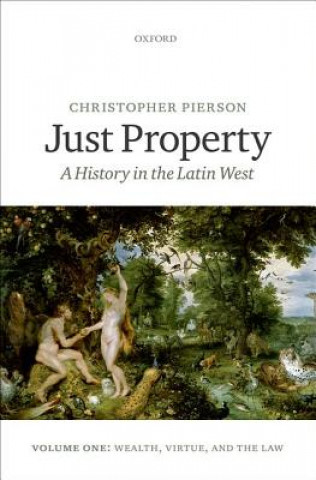
Just Property
by Christopher Pierson
We live in a world which is characterised by both a radical inequality in wealth and incomes and the accelerating depletion of scarce natural resources. One of the things that prevents us from addressing these problems, perhaps ev ... more


- Language:
 English
 - Binding: Hardback
- Number of pages: 302
Publisher: Oxford University Press, 2013
- More about this


You might also like
-

Practical Horse Whispering
7.46 € -14 % -

Elephant Vanishes
11.91 € -29 % -

New Strategic Brand Management
57.06 € -2 % -

Big Book of Big Sea Creatures
10.80 € -24 % -

I Made Lattes for a Love God
8.68 € -25 % -

Iskra Wiecznego Płomienia. Klątwa przodków. Tom 1
11.30 € -10 % -
Tipitaka; Volume 15
22.82 € -2 % -

Role of Government in East Asian Economic Development
92.72 € -
Angular Momentum: Understanding Spatial Aspects in in Chemistry & Physics
198.48 € -

Les robots émotionnels
25.24 € -

Introduction to the Theory of Collisions of Electrons with Atoms and Molecules
92.62 € -7 % -

A Soul Defined
8.98 € -6 % -

Art of the Footnote
68.78 € -

Going Public
32.01 € -

Frenetische Stille
18.07 € -8 % -

History of Joseph Bonaparte, King of Naples and of Italy
34.54 € -2 % -
Long War
118.27 € -

Spices in the Indian Ocean World
278.28 € -

Imperial Japan at Its Zenith
45.95 € -

Auden's Games of Knowledge
163.93 € -

Frog Brothers and Friends
22.41 € -2 % -

Chinese Journal
12.01 € -25 % -
Poems
81.71 € -

Scientific Studies on Dry Tortugas National Park
17.46 € -2 % -
Dressmaking Simplified 3e
33.83 € -10 % -

Almanach des spectacles
53.32 € -14 % -

Chime for a Change
12.62 € -9 % -

Super Sam
8.58 € -

Genuss als Politikum
55.55 € -
Entraînement intensif au concours Passerelle 2
34.43 € -

Controlling the World Bank and IMF
109.18 € -

But I Deserve This Chocolate!
19.28 € -
Commentary on the Constitution from Plato to Rousseau
69.69 € -

Spiritual Side of Disability
17.46 € -2 % -

Art of Making Pens Scientifically, Illustrated by an Engraving, by Which Ladies and Gentlemen, and Particularly Youths at School, May Instantly Learn
17.26 € -2 %
Give this book as a present today
- Order book and choose Gift Order.
- We will send you book gift voucher at once. You can give it out to anyone.
- Book will be send to donee, nothing more to care about.
More about Just Property
You get 446 loyalty points
 Book synopsis
We live in a world which is characterised by both a radical inequality in wealth and incomes and the accelerating depletion of scarce natural resources. One of the things that prevents us from addressing these problems, perhaps even prevents us from seeing them as problems, is our belief that individuals and corporations have claims to certain resources and income streams that are non-negotiable, even when these claims seem manifestly hostile to our collective long-term well-being. This book is an attempt to understand how, why and when we came to believe these things. This first volume traces ideas about private property and its justification in the Latin West, starting with the ancient Greeks. It follows several lines of thinking which run through the Roman and medieval worlds. It traces the profound impact of the rise of Christianity and the instantiation of both natural and Roman Law. It considers the complex interplay of religious and legal ideas as these developed through the Renaissance, the Reformation and the counter-Reformation leading on to the ideas associated with modern natural law. The first volume concludes with a close re-reading of Locke. We can find well-made arguments for private property throughout this history but these were not always the arguments which we now assume them to have been and they were almost always radically conditional, qualified by other considerations, above all, a sense of what the securing of the common good required. These arguments included an appeal to the natural law, to the dispensations of a just God, to utility, to securing economic growth and to maintaining the peace. They almost never included the claim that individuals have naturally- or God-given rights that trump the well-being, especially the basic well-being, of other individuals. In late modernity, we have lost sight of many of these arguments - to our collective loss.
Book details
Book category Books in English Society & social sciences Society & culture: general Cultural studies
183.93 €
- Full title: Just Property
- Subtitle: A History in the Latin West. Volume One: Wealth, Virtue, and the Law
- Author: Christopher Pierson
- Language: English
- Binding: Hardback
- Number of pages: 302
- EAN: 9780199673285
- ISBN: 0199673284
- ID: 04534635
- Publisher: Oxford University Press
- Weight: 600 g
- Dimensions: 165 × 239 × 23 mm
- Date of publishing: 15. August 2013
Trending among others
-
All About Love
12.92 € -12 % -
Sapiens
12.21 € -25 % -

Tihkal
23.73 € -25 % -

How to Invent Everything
26.96 € -19 % -

Why Nude?
11.91 € -

Wabi-Sabi for Artists, Designers, Poets & Philosophers
14.74 € -25 % -
Telling Lies
13.12 € -26 % -

Egregores
12.72 € -25 % -
Convergence Culture
36.76 € -
Critique Of Cynical Reason
29.69 € -5 % -
Medieval Costume and How to Recreate it
11 € -30 % -

Communion
11.81 € -25 % -

Georg Wilhelm Friedrich Hegel: The Science of Logic
73.12 € -
The Year of Living Danishly
11.40 € -30 % -
Cosmos and Psyche
16.76 € -22 % -
Audio Culture, Revised Edition: Readings in Modern Music
53.32 € -

MORAL PANICS AND THE MEDIA
36.15 € -

Music in Everyday Life
19.59 € -25 % -

On Collective Memory
36.76 € -
Empire of Illusion
14.03 € -25 % -
Bakunin: Statism and Anarchy
18.48 € -23 % -

Pihkal
25.04 € -25 % -
The Chalice and the Blade
14.03 € -25 % -
Notes on Camp
4.23 € -30 % -

Self-Made Man
12.62 € -29 % -

Tudor Tailor
26.35 € -25 % -
The Conquest of Bread
11.81 € -25 % -
Utopia for Realists
13.53 € -22 % -
Social and Cultural Anthropology: A Very Short Introduction
9.99 € -24 % -

Berserk: With Darkness Ink
21.61 € -25 % -
Origins and History of Consciousness
19.79 € -26 % -
Symbol Sourcebook - An Authoritative Guide to International Graphic Symbols
52.31 € -7 % -

Vader's Little Princess
13.83 € -18 % -
Pragmatism and Other Writings
11.91 € -24 % -

Watching the English
16.15 € -24 % -

Hell's Angels
18.27 € -24 % -

Stirner: The Ego and its Own
52.52 € -

Action Park
13.42 € -24 % -
The Tipping Point
12.62 € -29 % -
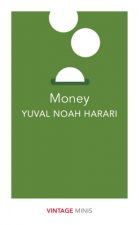
Money
5.95 € -35 % -

Postmodernism
27.97 € -

Jaws: We're Gonna Need a Bigger Boat
10.60 € -20 % -
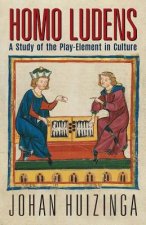
Homo Ludens
11.40 € -
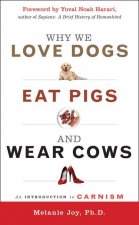
Why We Love Dogs, Eat Pigs and Wear Cows
14.23 € -27 % -
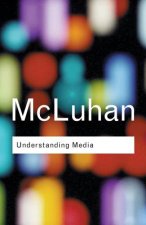
Understanding Media
26.86 € -4 % -

Poor but Sexy - Culture Clashes in Europe East and West
18.48 € -17 % -
Conspicuous Consumption
8.07 € -30 % -
Pimpology
13.42 € -24 % -

Icons of Men's Style mini
12.92 € -23 %
Collection points Bratislava a 12824 dalších
Copyright ©2008-26 najlacnejsie-knihy.sk All rights reservedPrivacyCookies

 25652 collection points
 Delivery 2.99 €
 02/210 210 99 (8-15.30h)