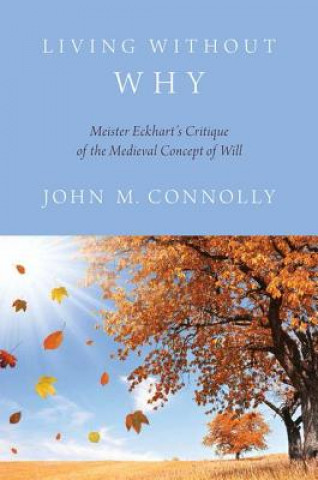
Code: 02557954
Living Without Why
by John M Connolly
What does it mean to "live without why"? This was the advice of Meister Eckhart (ca. 1260-1328), both in his Latin treatises to philosophers and theologians and in his German sermons to nuns and ordinary lay persons. He seems to h ... more


- Language:
 English
 - Binding: Hardback
- Number of pages: 256
Publisher: Oxford University Press Inc, 2014
- More about this


You might also like
-

Beginners Planes
6.68 € -17 % -
175 Theatre Games
12.75 € -24 % -

To Pixar and Beyond
16.20 € -17 % -

I Love You As Much...
7.89 € -25 % -
Tell Me How to Be
16.10 € -24 % -

Is Being Gay a Sin?
9.41 € -2 % -

How to Use Phonetics to Pronounce and Read
9.82 € -6 % -

Carnivoran Ecology
121.05 € -

Syria and the Neutrality Trap
39.60 € -

Der Mord an Der Jungfrau
12.55 € -25 % -

Allegheny Portage Railroad National Historic Site and Johnstown Flood National Memorial: Weather of 2008
12.05 € -7 % -

Damals war's
10.93 € -10 % -

Romancing with Life
33.72 € -9 % -

Peter Pan
6.57 €
Give this book as a present today
- Order book and choose Gift Order.
- We will send you book gift voucher at once. You can give it out to anyone.
- Book will be send to donee, nothing more to care about.
More about Living Without Why
You get 213 loyalty points
 Book synopsis
What does it mean to "live without why"? This was the advice of Meister Eckhart (ca. 1260-1328), both in his Latin treatises to philosophers and theologians and in his German sermons to nuns and ordinary lay persons. He seems to have meant that we should live and act out of justice or goodness and not in order to gain some reward for our deeds. This message was received with indignation by the Church hierarchy and was condemned by the Pope in 1329. How did Eckhart come to formulate it? And why was it so controversial? John M. Connolly addresses these questions by locating Eckhart's thinking about how to live within the mainstream synthesis of Christian and classical thought formulated in the High Middle Ages. He calls the classical Greek moral consensus "teleological eudaimonism," according to which correct living coincides with the attainment of happiness (eudaimonia). This involves living a life marked by the practice of the virtues, which in turn requires a consistent desire for the correct goal in life. This desire is the core notion of will. In late antiquity Augustine drew on this tradition in formulating his views about how Christians should live. This required grafting onto classical eudaimonism a set of distinctively scriptural notions such as divine providence, original sin, redemption, and grace. In the 13th century these ideas were systematized by Thomas Aquinas in his will-centered moral theology. Eckhart claimed that this tradition was profoundly mistaken. Far from being a wild-eyed mystic or visionary, he argued trenchantly from classical philosophical principles and the Christian scriptures. Connolly proposes that Eckhart's views, long obscured by the papal condemnation, deserve reconsideration today.
Book details
Book category Books in English Humanities History History: earliest times to present day
88.33 €
- Full title: Living Without Why
- Author: John M Connolly
- Language: English
- Binding: Hardback
- Number of pages: 256
- EAN: 9780199359783
- ISBN: 0199359784
- ID: 02557954
- Publisher: Oxford University Press Inc
- Weight: 470 g
- Dimensions: 163 × 229 × 23 mm
- Date of publishing: 21. August 2014
Trending among others
-

Tuesdays With Morrie
10.83 € -29 % -

From Third World to First
19.74 € -
The Origins of Totalitarianism
13.46 € -34 % -

Guns, Germs, and Steel
16 € -21 % -
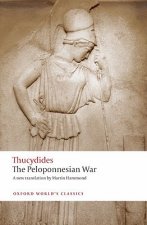
Peloponnesian War
14.17 € -23 % -
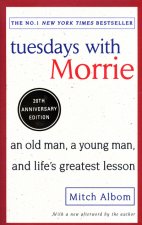
Tuesdays With Morrie
11.34 € -16 % -

Illustrated Encyclopedia of Uniforms of World War I
21.26 € -25 % -
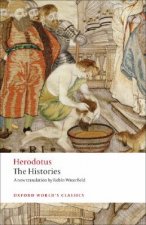
Histories
8.60 € -24 % -
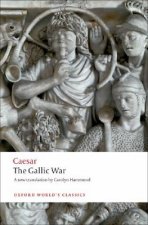
Gallic War
7.89 € -24 % -

The Art of Combat
26.43 € -25 % -
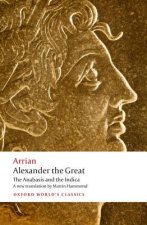
Alexander the Great
10.73 € -24 % -

Myth of the Andalusian Paradise
23.80 € -24 % -

Nixonland
20.76 € -
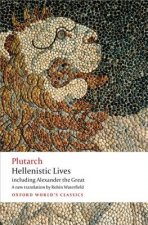
Hellenistic Lives
12.96 € -23 % -
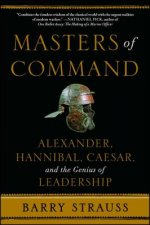
Masters of Command
14.88 € -24 % -
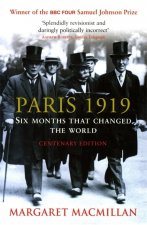
Paris 1919
15.19 € -28 % -

Chernobyl Prayer
11.74 € -23 % -

1946: The Making of the Modern World
14.88 € -

History of the Decline and Fall of the Roman Empire
14.07 € -24 % -
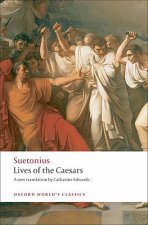
Lives of the Caesars
10.73 € -24 % -

Medieval Armoured Combat
21.26 € -25 % -

History of the Medieval World
28.66 € -24 % -

Embers of War
18.33 € -24 % -

Histories
6.17 € -30 % -

Cambridge History of the Cold War
47.81 € -

Cambridge History of the Cold War
47.81 € -
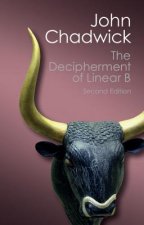
Decipherment of Linear B
15.49 € -25 % -
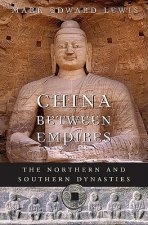
China between Empires
31.50 € -

Fighting with the German Longsword
60.37 € -

Cambridge History of the Cold War
47.81 € -
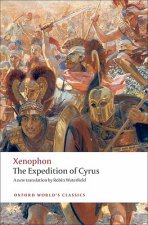
Expedition of Cyrus
10.83 € -24 % -

Hundred Years War Vol 3
29.57 € -30 % -

Armoured Hussars
26.43 € -25 % -

America's Secret Establishment
14.78 € -25 % -

Rivers of Gold
18.83 € -30 % -

Dark Valley
26.43 € -25 % -

Crimes and Mercies
18.22 € -25 % -

Black against Empire
25.11 € -7 % -

Deng Xiaoping and the Transformation of China
37.27 € -6 % -

Age Of Capital
15.29 € -28 % -

Medieval Costume and How to Make It
11.23 € -2 % -
Egyptian Book of the Dead: The Book of Going Forth by Day : The Complete Papyrus of Ani Featuring Integrated Text and Full-Color Images (History ... M
32.91 € -8 % -

Rise and Fall of Ancient Egypt
16.91 € -30 % -
Augustus
18.33 € -20 % -

Fall of Carthage
14.88 € -30 % -

Fall of Yugoslavia
11.03 € -30 % -

Landmark Arrian
25.11 € -25 % -
King's Two Bodies
21.67 € -25 % -

Age Of Empire
18.02 € -15 %
Collection points Bratislava a 12822 dalších
Copyright ©2008-26 najlacnejsie-knihy.sk All rights reservedPrivacyCookies

 25648 collection points
 Delivery 2.99 €
 02/210 210 99 (8-15.30h)