Code: 43741064
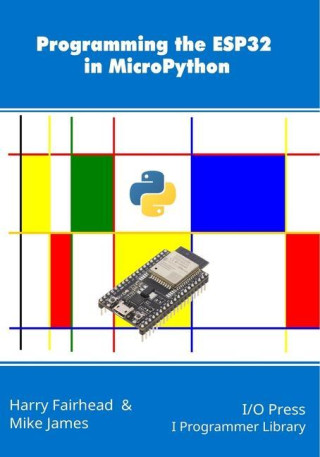
Programming the ESP32 in MicroPython
by Harry Fairhead
There is a new edition of this book: Programming the ESP32 in MicroPython Second EditionThe ESP32 is a remarkable device. It is low cost but with many different subsystems that make it more powerful than you might think. You can u ... more


- Language:
 English
 - Binding: Paperback
- Number of pages: 356
Publisher: LIGHTNING SOURCE INC, 2023
- More about this

31.13 €
RRP: 33.46 €
You save 2.33 €

In stock at our supplier
Shipping in 14 - 21 days
You might also like
-

Court of Thorns and Roses Paperback Box Set
52.86 € -29 % -

$100M Offers
28.90 € -5 % -

The Hybrid Prince (Wings of Fire, Book 16)
15.36 € -22 % -

Delicious in Dungeon World Guide Adventurer's Bible
18.69 € -20 % -

The Book of Bill
22.03 € -23 % -

Solo Leveling: Ragnarok, Vol. 1 (Comic)
14.95 € -24 % -

86 - Eighty-Six, Vol. 3
12.63 € -21 % -

The Art of Arcane
54.68 € -9 % -

Cocktail Codex
35.37 € -4 % -

Araki: Tokyo Lucky Hole
21.22 € -25 % -

The Little Prince
5.15 € -20 % -

Ocean Anatomy: The Curious Parts & Pieces of the World Under the Sea
14.14 € -27 % -

QED - The Strange Theory of Light and Matter
14.75 € -25 % -

Magic The Gathering The Visual Guide
28.60 € -18 % -

Ghoulia and the Doomed Manor (Ghoulia Book #4)
10 € -24 % -
Open Circuits
28.30 € -29 % -

Dragon Age: Wraiths Of Tevinter
27.99 € -27 % -

Sailor Moon Eternal Edition 6
23.44 € -15 % -

Hilda and the Troll
10.10 € -27 % -
Advanced Roblox Coding Book: An Unofficial Guide, Updated Edition
11.82 € -25 % -

Fiber Fueled
27.69 € -6 % -
Coding with Roblox Lua in 24 Hours
27.99 € -24 % -

Natural Magick
15.15 € -26 % -

D.Gray-man, Vol. 12
7.37 € -30 % -

Etudes Tableaux, Op. 33 And 39
16.97 € -

Merlin's Tour of the Universe
16.87 € -27 % -
Roblox Lua: Understanding the Basics: Get Started with Roblox Programming
6.36 € -7 % -
Programming with STM32: Getting Started with the Nucleo Board and C/C++
19.40 € -25 % -
Social Psychology: A Very Short Introduction
10 € -24 % -
Learning Python
54.38 € -28 % -
Reading & Writing Farsi: A Workbook for Self-Study
12.73 € -25 % -
The Python Bible 7 in 1: Volumes One To Seven
35.37 € -7 % -

Strictly No Elephants
13.94 € -24 % -

Just Stab Me Now
20.61 € -

Ikaria
24.66 € -27 % -

ROMANIA & BULGARIA
16.97 € -29 % -
Coding Roblox Games Made Easy -
37.29 € -2 % -

Christopher Parkening Guitar Method Vol. 1
14.75 € -25 % -

The Perfectionists: How Precision Engineers Created the Modern World
14.75 € -25 % -
Learn Python in One Day and Learn It Well (2nd Edition): Python for Beginners with Hands-on Project. The only book you need to start coding in Python
11.41 € -7 % -

My Status as an Assassin Obviously Exceeds the Hero's (Light Novel) Vol. 4
11.31 € -25 % -

Camino Ingles and Ruta do Mar
19.50 € -22 % -

Planning Landscape
47.20 € -9 % -

Mushoku Tensei: Jobless Reincarnation (Manga) Vol. 17
10 € -24 % -

Sheep Princess in Wolf's Clothing Vol. 1
13.94 € -30 % -
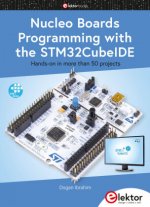
Nucleo Boards Programming with the STM32CubeIDE
45.99 € -11 % -

Villainess Level 99 Volume 2: I May Be the Hidden Boss But I'm Not the Demon Lord
11.62 € -22 % -

MR Imaging of the Spine and Spinal Cord
47.81 € -
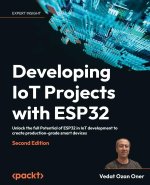
Developing IoT Projects with ESP32 - Second Edition
46.29 € -2 % -

Lewis W. Hine. America at Work
19.91 € -11 % -

Big Book of Roblox
14.75 € -25 % -
Factfulness
13.74 € -29 % -

Japanese Chess
14.04 € -25 % -
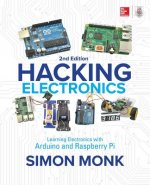
Hacking Electronics: Learning Electronics with Arduino and Raspberry Pi, Second Edition
23.75 € -25 % -

Identifying and Harvesting Edible and Medicinal Plants in Wild
17.58 € -24 % -

Simply Quantum Physics
13.94 € -24 % -

Electronics Projects with the Esp8266 and Esp32: Building Web Pages, Applications, and Wifi Enabled Devices
38.81 € -25 % -

Jamilia
9.29 € -19 % -
Get Started with MicroPython on Raspberry Pi Pico
14.75 € -25 % -

Managing Transitions
18.09 € -29 % -
The ESP32 Cheap Yellow Display Book
29.41 € -19 % -
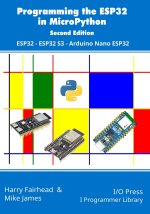
Programming the ESP32 in MicroPython, 2nd Edition
31.13 € -6 % -

Antique Cars and Vintage Cars Large Print Dot-To-Dot: Dot-To-Dot Book for Adults
8.99 € -7 % -
Delineation of Progressions
20.51 € -10 % -

My Favourite Top Models
38.30 € -10 % -
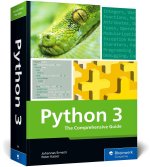
Python 3
42.25 € -25 % -

Rolex
37.50 € -11 % -

Project Explore 3 - Workbook
10.71 € -

Sumi-E
19.30 € -14 % -

MacArthur Bible Commentary
35.47 € -24 % -

DK Eyewitness Chile and Easter Island
22.84 € -9 % -

Test Yourself HSK 1 2 3 4 Standard Course Flashcards: Chinese proficiency mock test level 1 to 4 workbook
16.06 € -
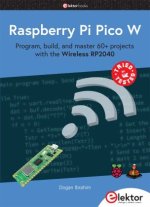
Raspberry Pi Pico W
37.80 € -19 % -

Geology For Dummies
18.79 € -30 % -

WW2 Vehicles Through the Lens Vol.2
27.49 € -24 % -

Illustrated Compendium of Amazing Animal Facts
11.41 € -24 % -

Microbiome, Immunity, Digestive Health and Nutrition
165.38 € -
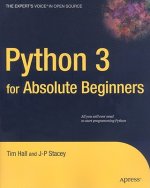
Python 3 for Absolute Beginners
71.36 € -14 % -
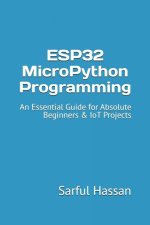
ESP32 MicroPython Programming
12.32 € -7 % -

Developing IoT Projects with ESP32
67.02 € -1 % -
Advanced Programming in Micropython by Example
10.20 € -7 % -
Building Python Microservices with FastAPI
45.38 € -2 % -

Cyka Blyat! (or Suka Blyat?): Everyday Russian Slang and Curse Words
15.76 € -6 % -
Programming with MicroPython
48.62 € -
Programming ESP32
11.51 € -6 % -
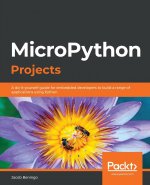
MicroPython Projects
43.56 € -2 % -
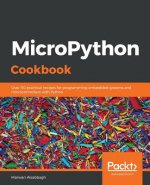
MicroPython Cookbook
48.11 € -1 % -
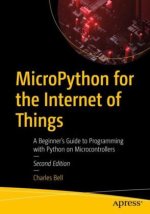
MicroPython for the Internet of Things
42.35 € -24 % -

A Dragon Walks into a Meeting: A Tactical Guide to Client Management
14.95 € -6 % -
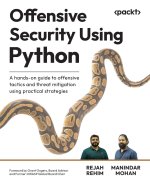
Offensive Security Using Python
39.11 € -1 % -

The Art of Financial Clarity: A Simplified Guide to Double Entry Accounting
10.60 € -7 %
Give this book as a present today
- Order book and choose Gift Order.
- We will send you book gift voucher at once. You can give it out to anyone.
- Book will be send to donee, nothing more to care about.
More about Programming the ESP32 in MicroPython
You get 75 loyalty points
 Book synopsis
There is a new edition of this book: Programming the ESP32 in MicroPython Second Edition
The ESP32 is a remarkable device. It is low cost but with many different subsystems that make it more powerful than you might think. You can use it for simple applications because it is cheap, but you can also use it for more sophisticated applications because it is capable.
MicroPython is a good choice of language to program the ESP32. Although it is a slower language than C, most of the time this doesn't matter and it is much easier to use. As a high-level language, MicroPython is based on Python 3 and is fully object-oriented. In general, you can take an existing Python 3 program and simply run it under MicroPython. If there are any changes to make, they are generally minor.
Another good thing about MicroPython on the ESP32 is that it is very easy to get started. After a simple installation procedure you have a working MicroPython machine which you can program almost at once using the Thonny IDE or PyCharm which has more extensive syntax checking and input prompting.
The purpose of the book is to reveal what you can do with the ESP's GPIO lines together with widely used sensors, servos and motors and ADCs. After covering the GPIO, outputs and inputs, events and interrupts, it gives you hands-on experience of PWM (Pulse Width Modulation), the SPI bus, the I2C bus and the 1-Wire bus. We also cover direct access to the hardware, adding an SD Card reader, sleep states to save power, the RTC, RMT and touch sensors, not to mention how to use WiFi.
The ESP32 has so many resources that a comprehensive account would fill a book twice this size. In order to make things fit in the space available we have concentrated on things that are accessible from MicroPython and that are basic to getting started. We have avoided "advanced" topics which generally lead the beginner into deep water far too quickly. However, we do cover of use of uasyncio, and asynchronous programming, in general as they are essential to networking.
Jointly authored by Harry Fairhead and Mike James, this book combines Harry's expertise in electronics and the IoT with Mike's knowledge of Python. Their previous books include Programming the Raspberry Pi Pico/W in MicroPython, Raspberry Pi IoT In Python, Raspberry Pi IoT In Python Using Linux Drivers while Harry Fairhead is the author of the C language counterparts. His other books include Fundamental C: Getting Closer To The Machine, Applying C For The IoT With Linux, and Micro:bit IoT in C. Mike James is the author of the Programmer's Python: Something Completely Different series of books and several other programming and computer science titles in the I Programmer Library.
Book details
Book category Books in German Naturwissenschaften, Medizin, Informatik, Technik Informatik, EDV Programmiersprachen
31.13 €
- Full title: Programming the ESP32 in MicroPython
- Author: Harry Fairhead
- Language: English
- Binding: Paperback
- Number of pages: 356
- EAN: 9781871962826
- ISBN: 187196282X
- ID: 43741064
- Publisher: LIGHTNING SOURCE INC
- Weight: 617 g
- Dimensions: 254 × 178 × 19 mm
- Date of publishing: 20. June 2023
Trending among others
-
Effective C, 2nd Edition
42.35 € -24 % -
Learning Go: An Idiomatic Approach to Real-World Go Programming
46.39 € -25 % -
Grokking Algorithms, Second Edition
46.29 € -2 % -

100 Go Mistakes
44.57 € -14 % -

Windows Security Internals with Powershell
41.84 € -29 % -

Learn PowerShell in a Month of Lunches: Covers Windows, Linux, and macOS
49.22 € -9 % -
Learning JavaScript Design Patterns
46.39 € -25 % -

SQL for Data Analytics - Fourth Edition
46.29 € -2 % -
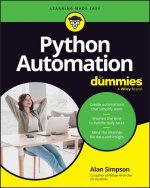
Python Automation for Dummies
25.06 € -25 % -
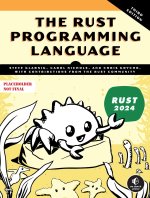
The Rust Programming Language, 3rd Edition
41.84 € -29 % -
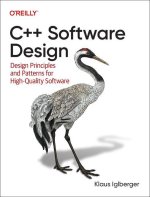
C++ Software Design
56.10 € -25 % -
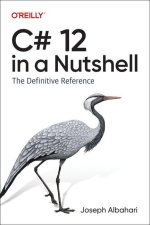
C# 12 in a Nutshell: The Definitive Reference
49.22 € -24 % -
Kubernetes - Up and Running
56.10 € -25 % -

C# 14 and .NET 10 - Modern Cross-Platform Development Fundamentals - Tenth Edition
50.84 € -1 % -
Functional Programming in Scala
53.87 € -14 % -
Building Event-Driven Microservices
49.22 € -24 % -
Robust Python
39.52 € -25 % -
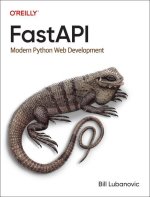
Fastapi: Modern Python Web Development
39.52 € -25 % -

C# unity Programming For Beginners
11.51 € -7 % -
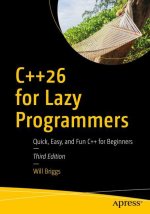
C++26 for Lazy Programmers
52.66 € -24 % -

Crafting Interpreters
42.35 € -24 % -
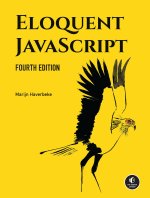
Eloquent Javascript, 4th Edition
34.56 € -27 % -
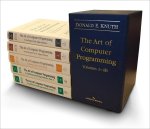
Art of Computer Programming, The, Volumes 1-4B, Boxed Set
262.53 € -14 % -
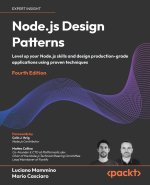
Node.js Design Patterns - Fourth Edition
50.84 € -1 % -

Electronic Music and Sound Design - Theory and Practice with Max 8 - volume 3
54.38 € -2 % -
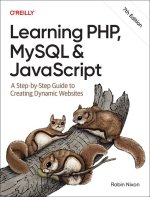
Learning Php, MySQL & JavaScript
42.35 € -24 % -
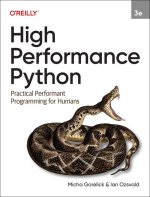
High Performance Python
45.18 € -27 % -
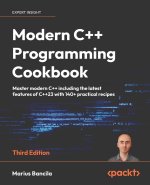
Modern C++ Programming Cookbook - Third Edition
50.84 € -1 % -

Building Medallion Architectures
42.35 € -24 % -
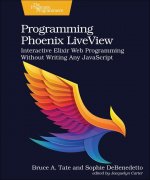
Programming Phoenix LiveView
43.16 € -19 % -

C# 13 and .NET 9 - Modern Cross-Platform Development Fundamentals - Ninth Edition
55.29 € -2 % -
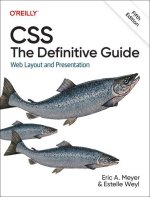
Css: The Definitive Guide: Web Layout and Presentation
62.97 € -25 % -

Web Development with Blazor - Third Edition
48.11 € -1 % -
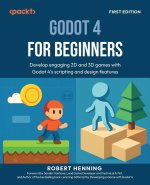
Godot 4 for Beginners
46.29 € -2 % -

Java: The Complete Reference, Thirteenth Edition
42.35 € -24 % -

Twenty Years of a New Kind of Science
31.94 € -25 % -
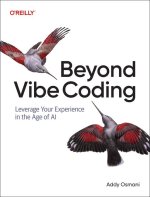
Vibe Coding: The Future of Programming
49.22 € -24 % -
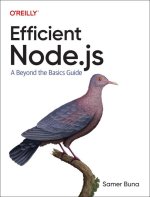
Efficient Node.Js
46.39 € -25 % -
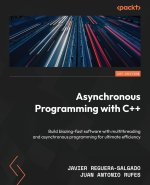
Asynchronous Programming with C++
39.11 € -1 % -
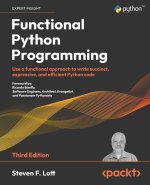
Functional Python Programming - Third Edition
45.38 € -2 % -
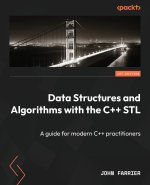
Data Structures and Algorithms with the C++ STL
43.56 € -2 % -
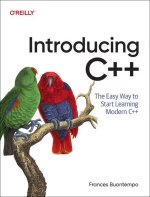
Introducing C++
42.35 € -24 % -
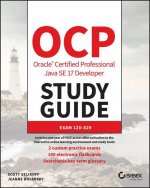
OCP Oracle Certified Professional Java SE 17 Developer Study Guide: Exam 1Z0-829
45.79 € -24 % -
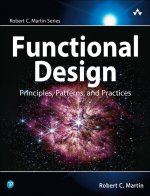
Functional Design: Principles, Patterns, and Practices
41.94 € -14 % -

Art Of 64-bit Assembly, Volume 1
55.79 € -29 % -
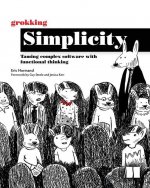
Grokking Simplicity
57.92 € -10 % -
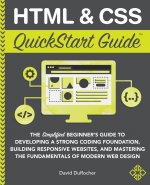
HTML and CSS QuickStart Guide
25.06 € -25 % -
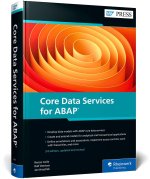
Core Data Services for ABAP
89.36 € -4 % -
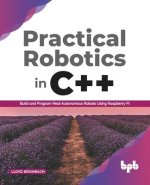
Practical Robotics in C++ :
37.90 € -7 %
Collection points Bratislava a 13222 dalších
Copyright ©2008-26 najlacnejsie-knihy.sk All rights reservedPrivacyCookies

 26448 collection points
 Delivery 2.99 €
 02/210 210 99 (8-15.30h)