Code: 04728053
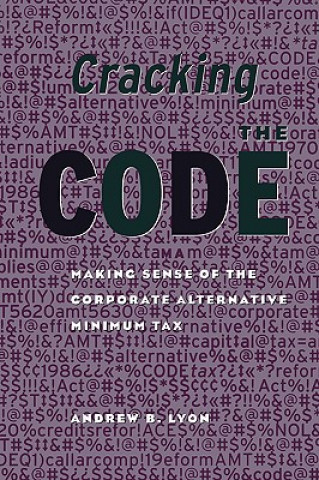
Cracking the Code
by Andrew Lyon
The corporate alternative minimum tax (AMT) was hailed in the Tax Reform Act of 1986 as instrumental to ensuring that tax loopholes would not permit corporations to avoid paying their fair share of tax liability. In 1995, less tha ... more


- Language:
 English
 - Binding: Paperback
- Number of pages: 168
Publisher: Brookings Institution, 1997
- More about this


You might also like
-
Cracking the Coding Interview
45.93 € -18 % -

Führerschein Fragebogen Klasse B - Auto Theorieprüfung original amtlicher Fragenkatalog auf 68 Bögen
22.21 € -11 % -

Advances in Intervertebral Disc Disease in Dogs and Cats
127.37 € -2 % -

The Lord of the Rings 1000 Piece Jigsaw Puzzle
18.09 € -25 % -

Bourgery. Atlas of Human Anatomy and Surgery
78.31 € -15 % -

Stables
42.11 € -24 % -

Digital Painting Techniques
51.26 € -29 % -

Traditional Chinese Medicine: A Woman's Guide to a Hormone-Free Menopause
23.11 € -
Mensa Genius Quiz-a-day Book
10.75 € -18 % -

IELTS Trainer Six Practice Tests with Answers and Audio CDs (3)
52.87 € -

Klettersteigführer Österreich, m. DVD-ROM
32.76 € -11 % -

PRIMER ROMANCERO GITANO
12.36 € -

Check Your Vocabulary for TOEFL
17.18 € -7 % -

Paměti Odjezd a návrat
20.50 € -16 % -

Historia de Espana
20.90 € -24 % -

APRENDER A LEER EN LA ESCUELA DE MONSTRUOS 9 TORPON Y BONACH
8.13 € -9 % -
More Quick Team-Building Activities for Busy Managers
15.27 € -18 % -

Etnicita slovanského areálu
9.94 € -2 % -

Nickelodeon All-Star Brawl 2 (PlayStation PS5)
14.67 € -8 % -

Drawing Together to Learn about Feelings
8.54 € -18 % -
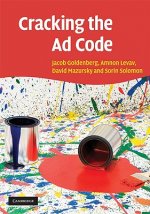
Cracking the Ad Code
52.17 € -

Harry Potter - Wand Magic: Artifacts from the Wizarding World
21.10 € -24 % -

2000 Methoden für Schule und Lehrerbildung
57.19 € -6 % -

Numerical Analysis
206.08 € -14 % -

Medical German
26.63 € -14 % -

Developing Java Applications with Spring and Spring Boot
90.77 € -2 % -

Akira Kurosawa and Modern Japan
51.46 € -

Cracking the Codes
128.17 € -3 % -

Venedig für dich!
11.65 € -10 % -
Spanish: An Essential Grammar
232.12 € -
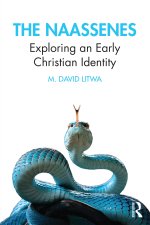
Naassenes
61.52 € -

Admiralty and Maritime Law Volume 1
108.37 € -

THE LIFE AND WRITINGS OF THOMAS PAINE: C
36.18 € -2 % -

The Christmas Secret
16.98 € -2 % -

The Loss We Leave Behind
21.60 € -24 % -

Secrets of the Greatest Snow on Earth
19.39 € -22 % -

Attic Orators
32.56 € -

Beautiful Darkness
29.35 € -9 % -

Let's Look at Germany
8.33 € -25 % -

Reivindicación del pasado
24.92 € -

CRACKING THE CODE TO SUCCESS
23.11 € -

Syndrome d'apnées hypopnées obstructives du sommeil
25.73 € -11 % -

Prince Bonifacio
20.10 € -1 % -

Where Do Animals Live? - CD Only
9.64 € -9 % -

Nueva Enciclopedia de la Francmasoneria
44.73 € -

Curso de Derecho penal. Parte especial
94.29 € -
Dictionary of Energy
60.61 € -
Understanding Medical Coding
109.67 € -

No país das vacas
26.63 € -

Glory Days Of Logging
37.09 € -1 % -
Invasion of the Moocs
76.19 € -

Louis XVI - tome 1 1754-1786
14.17 € -

Eating Disorders
39.30 € -

Ministry of Hospitality
18.39 € -

Night Guest
11.75 € -24 % -
Dominant Language Constellations: A New Perspective on Multilingualism
102.33 € -7 % -

Performance Evaluation of Foreign Subsidiaries
51.26 € -7 % -

Celtic Knots and Kaleidoscopes to Color: Variations on a Theme
9.74 € -6 % -

Locomotive Boilers, Boiler Attachments, Heat and Steam, the Locomotive, Valve and Valve Gears, Locomotive Management, Breakdowns
38.90 € -1 % -

Are you Ready?, für Gitarre
17.99 € -

AUTOMATION ON QUADRUPED WALKER MECHANISM
48.65 € -14 % -

Ivanov
17.18 € -
Data Mining and Reverse Engineering
261.18 € -

Kaun Hun Main: Kaun Hoon Main
8.43 € -7 % -

How to Draw in Pen and Ink - The Art of Illustration
32.56 € -9 % -

Haunted Texas
17.48 € -

RE-Engineering Home Health Care
113.79 € -

Las Casas Que Elevar Nuestras Chicas: #FemaleNOTFeemale
7.23 € -6 % -

Sam sebe pedagog
17.78 € -14 % -

Das Notizbuch des Zeichners
17.88 € -11 % -

Zum Zehnjahrigen Bestehen Der Goettinger Vereinigung Fur Angewandte Physik Und Mathematik
52.77 € -4 % -

A Treatise of the Law of Arbitration: With an Appendix of Precedents.
29.04 € -1 % -

Perennials for the Pacific Northwest: 500 Best Plants for Flower Gardens
19.90 € -9 % -

Energia móvel ou Motorcycle Inverter no desafio energético em África
35.48 € -14 % -

When Your Lion Needs a Bath
8.84 € -

Doctor Who - Staffel 13: Flux
46.64 € -

O Homem Do Sobretudo Cinzento
13.16 € -6 %
Give this book as a present today
- Order book and choose Gift Order.
- We will send you book gift voucher at once. You can give it out to anyone.
- Book will be send to donee, nothing more to care about.
More about Cracking the Code
You get 66 loyalty points
 Book synopsis
The corporate alternative minimum tax (AMT) was hailed in the Tax Reform Act of 1986 as instrumental to ensuring that tax loopholes would not permit corporations to avoid paying their fair share of tax liability. In 1995, less than ten years later, repeal of the AMT was pledged as part of the Republican Party's " Contract with America" and passed by the House of Representatives. Opponents of the AMT object that it penalizes new investment by firms and prevents the use of legitimate deductions. Its defenders tout the ability of the AMT to address public perceptions of unfairness in the tax system. At first glance, the debate over the AMT seems to be another example of the classic struggle between equity and efficiency. But, as this book reveals, there are serious flaws in the arguments used on both sides of this issue. As a result, the AMT may fail to achieve any notable equity objectives and may miss the opportunity to make significant improvements in the efficiency with which the nation's scarce capital is employed. Whether or not reforms of the AMT are ultimately enacted, the debate over the AMT raises fundamental questions of tax policy that will persist: Who benefits from tax subsidies? How much should the tax code be used to direct resources in the economy? If corporate taxes are ultimately borne by individuals, how do corporate tax provisions affect fairness? Andrew Lyon opens these topics up to a wide audience, presenting new data on the impact of the AMT, and offering suggestions for future policy reform. He argues that the legislative desire to respond to an apparent inequity should be channeled into considering whether there are efficiency reasons for reducing the taxadvantages observed. The best solutions to these considerations, he contends, are not found in a minimum tax.
Book details
27.03 €
- Full title: Cracking the Code
- Subtitle: Making Sense of the Corporate Alternative Minimum Tax
- Author: Andrew Lyon
- Language: English
- Binding: Paperback
- Number of pages: 168
- EAN: 9780815753230
- ISBN: 0815753233
- ID: 04728053
- Publisher: Brookings Institution
- Weight: 240 g
- Dimensions: 235 × 159 × 10 mm
- Date of publishing: 01. May 1997
Trending among others
-

Threshing Day (Wing and Claw Collection)
17.68 € -29 % -

Threshing Day (Limited Deluxe Edition)
20.90 € -29 % -

What Happened Yesterday
15.57 € -27 % -

Berserk Deluxe Volume 1
38.90 € -25 % -

White Nights
4.51 € -14 % -
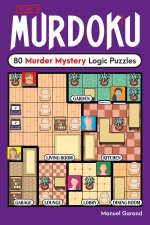
Murdoku
14.57 € -22 % -
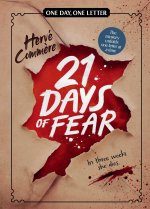
21 Days of Fear
16.28 € -27 % -

Court of Thorns and Roses 6
15.57 € -30 % -
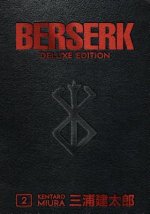
Berserk Deluxe Volume 2
36.48 € -29 % -

The Art of Gravity Falls
36.58 € -25 % -

Berserk Deluxe Volume 3
55.48 € -
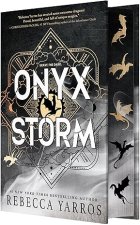
Onyx Storm (Deluxe Limited Edition) (The Empyrean, 3)
24.22 € -24 % -

Kid's Box New Generation Level 2 Activity Book with Digital Pack British English
10.75 € -9 % -

Jojo's Bizarre Adventure: Part 7--Steel Ball Run, Vol. 8
18.19 € -24 % -

Yesteryear
16.08 € -12 % -

Witch Hat Atelier: Grimoire Edition 1
34.37 € -30 % -

Kid's Box New Generation Level 3 Activity Book with Digital Pack British English
11.15 € -5 % -

Kid's Box New Generation Level 1 Activity Book with Digital Pack British English
11.15 € -5 % -

The Courage To Be Disliked
10.65 € -13 % -

Dancing The Dream
21.60 € -24 % -

The Count of Monte Cristo
13.76 € -6 % -
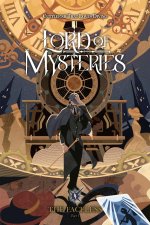
Lord of Mysteries, Vol. 4: The Faceless, Part I
16.98 € -13 % -

Fourth Wing
23.82 € -24 % -
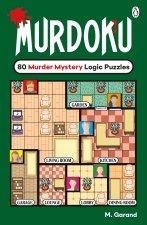
Murdoku
16.98 € -29 % -

Iron Flame
24.82 € -21 % -

The Mirror of Infinite Endings
14.67 € -31 % -
Throne of Glass Box Set
83.33 € -19 % -

Berserk Deluxe Volume 4
43.62 € -16 % -

East of Eden
12.76 € -26 % -
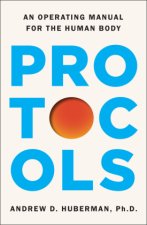
Protocols
14.37 € -29 % -

I Who Have Never Known Men
10.24 € -28 % -

Kid's Box New Generation Level 3 Pupil's Book with eBook British English
16.78 € -13 % -
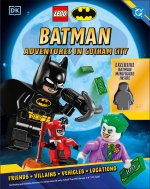
LEGO DC Batman Adventures in Gotham City
12.96 € -25 % -

Kid's Box New Generation Level 2 Pupil's Book with eBook British English
16.78 € -13 % -
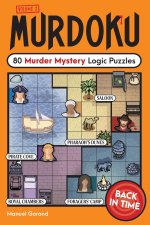
Murdoku Volume 2: Back in Time
14.57 € -22 % -

Kid's Box New Generation Level 1 Pupil's Book with eBook British English
16.78 € -13 % -

The Mirror of Infinite Endings
22.21 € -17 % -
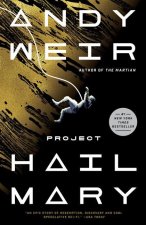
Project Hail Mary
9.94 € -27 % -

Jojo's Bizarre Adventure: Part 7--Steel Ball Run, Vol. 2
18.19 € -24 % -

Jujutsu Kaisen, Vol. 26
9.24 € -25 % -

Berserk Deluxe Volume 5
54.98 € -

Lord of Mysteries, Vol. 1: The Clown, Part I
14.77 € -29 % -

Death Note (All-in-One Edition)
38.60 € -25 % -

Pokémon Deluxe Character Guide
41.01 € -26 % -
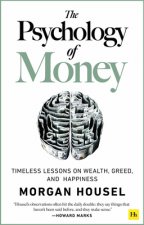
Psychology of Money
18.19 € -7 % -

Kid's Box New Generation Level 4 Activity Book with Digital Pack British English
11.95 € -
Protocols
16.48 € -19 % -
Lord of Mysteries, Vol. 3: The Clown, Part III
17.08 € -18 % -

Witch Hat Atelier: Grimoire Edition 2
35.28 € -28 %
Collection points Bratislava a 13244 dalších
Copyright ©2008-26 najlacnejsie-knihy.sk All rights reservedPrivacyCookies

 26492 collection points
 Delivery 2.99 €
 02/210 210 99 (8-15.30h)