Code: 01222316
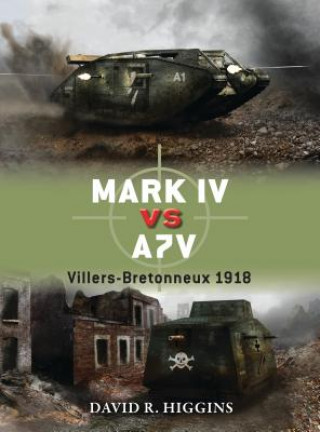
Mark IV vs A7V
by David R Higgins
The German A7V and the British Mark IV were similar in weight, size, and speed, but differed significantly in armour, armament and maneuverability. The A7V had thicker armour, and had nearly double the horsepower per ton. The Mark ... more


- Language:
 English
 - Binding: Paperback
- Number of pages: 80
Publisher: Bloomsbury Publishing, 2013
- More about this

18.40 €
RRP: 21.62 €
You save 3.22 €
Availability:
50/50 We think title might be available. Upon your order we will do our best to get it within 6 weeks.
We search the world
You might also like
-

Bungo Stray Dogs, Vol. 6
14.35 € -

The Art of War
9.70 € -25 % -

Renaissance Polish Armies 1492-1569
16.98 € -17 % -

LIFE IS STRANGE HEATWAVES
13.14 € -13 % -

Open Circuits
27.61 € -29 % -

Valentine Infantry Tank Vs Panzer III: North Africa 1941-43
16.18 € -30 % -

Russian Battleship vs Japanese Battleship
19.31 € -15 % -

The World of Hercule Poirot: A 1000-Piece Jigsaw Puzzle
18.30 € -24 % -

Banana Fish, Vol. 1
9.40 € -27 % -

Onyx Storm
28.72 € -7 % -

Bridgerton: To Sir Phillip, With Love
10.11 € -27 % -

FIAT G.55 Centauro
21.03 € -24 % -

Banana Fish, Vol. 19
9.70 € -25 % -

Walking in the Picos de Europa
19.01 € -25 % -

Grim Grotto
7.88 € -29 % -

Pilates for Pregnancy
15.16 € -26 % -
Battleship Scharnhorst
38.43 € -32 % -

Pershing vs Tiger
17.59 € -22 % -

Carrhae 53 BC
17.39 € -19 % -

Luftwaffe Intruder Operations Over the United Kingdom
30.34 € -21 % -

United States Navy in World War II
28.82 € -25 % -

M48 Patton vs Centurion
19.31 € -14 % -

Behind Soviet Lines
19.31 € -14 % -

Vauban Fortifications of France
18.10 € -15 % -

USMC M4A2 Sherman vs Japanese Type 95 Ha-Go
15.26 € -20 % -

Gotha Terror
31.65 € -24 % -

Life Is Strange: Forget-Me-Not
13.44 € -24 % -

Stranger Things, Season 1: The Junior Novelization
7.88 € -25 % -

Atlas of the Eastern Front
52.49 € -25 % -

Pasta Grannies: Comfort Cooking
23.26 € -25 % -
Macchi C.202/C.205V Units in Combat
17.39 € -19 % -

German Tanks in WWI: The A7V and Early Tank Develment
8.39 € -26 % -

Russian Civil War (2)
15.16 € -26 % -

Panzer IV vs Sherman
18.10 € -20 % -
Russian Aces of World War 1
20.02 € -16 % -
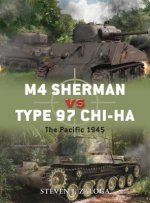
M4 Sherman vs Type 97 Chi-Ha
19.31 € -14 % -
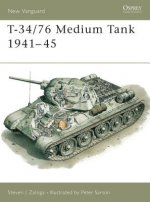
T-34/76 Medium Tank 1941-45
15.77 € -14 % -

Combat in the Stratosphere: Extreme Altitude Aircraft in Action During Ww2
25.79 € -26 % -

Tanks in the Great War 1914-1918
14.96 € -6 % -
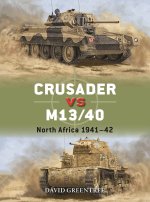
Crusader Vs M13/40: North Africa 1941-42
17.19 € -26 % -

Imperial Japanese Navy Aircraft Carriers, 1921-45
14.76 € -28 % -
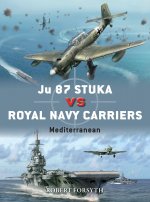
Ju 87 Stuka vs Royal Navy Carriers
14.96 € -24 % -

SU-152/ISU-152 vs Tiger
16.28 € -20 % -

M60 vs T-62
19.31 € -14 % -

Zeppelin vs British Home Defence 1916-18
18.40 € -14 % -

Russian Civil War (1)
15.77 € -14 % -

Great War Illustrated 1915 - paperback mono edition
21.23 € -24 % -

German Infantryman vs Russian Infantryman
19.31 € -14 % -

Soviet Soldier vs Finnish Soldier
15.97 € -19 % -

Tannenberg 1914
18.60 € -26 % -

Early Military Rifles
18.40 € -14 % -

The Great War Illustrated 1918
26.39 € -25 % -

Italian Assault Craft, 1940-1945
52.69 € -24 % -
Spitfire II/V vs Bf 109F
18.40 € -14 % -
DH 2 vs Albatros D I/D II
18.40 € -14 % -

Maginot Line Gun Turrets
14.86 € -15 % -

Lorraine 1944
19.21 € -20 % -

Operation Barbarossa 1941
19.21 € -20 % -

German Stormtrooper 1914-18
18.10 € -15 % -

Hindenburg Line
17.19 € -14 % -

Albatros D.I-D.II
18.10 € -15 % -

French Army in the Great War
11.32 € -

Verdun 1916
20.02 € -16 % -

Germany in the Great War - Western Front First Year
18.10 € -22 % -
M3 Infantry Half-Track 1940-73
15.77 € -14 % -

French Aviation
53.81 € -9 % -

Centurion Universal Tank
15.77 € -14 % -
British Mark I Tank 1916
14.86 € -15 % -
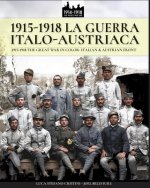
1915-1918 La guerra Italo-austriaca
22.95 € -25 % -

Tanks of Hitler's Eastern Allies 1941-45
14.86 € -15 % -

Cassino 1944
20.52 € -14 % -

F-86 Sabre vs MiG-15
16.98 € -25 % -

Panther vs T-34
14.86 € -37 % -

Hell in the Trenches
28.52 € -25 % -

Sherman Firefly vs Tiger
16.98 € -25 % -
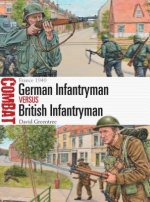
German Infantryman vs British Infantryman
19.31 € -14 % -

F4F Wildcat and F6F Hellcat Aces of VF-2
20.52 € -14 % -

Lying About Hitler
14.76 € -25 % -

Bismarck 1941
20.52 € -14 % -

Dunkirk 1940
20.52 € -14 % -

Photographic Guide to the Birds of the Cayman Islands
35.50 € -24 % -

British Dreadnought vs German Dreadnought
19.31 € -14 % -

Seafire F III Vs. A6m Zero
19.31 € -14 % -

Baku 1918
18.10 € -24 %
Give this book as a present today
- Order book and choose Gift Order.
- We will send you book gift voucher at once. You can give it out to anyone.
- Book will be send to donee, nothing more to care about.
Availability alert
Enter your e-mail address and once book will be available,
we will send you a message. It's that simple.
More about Mark IV vs A7V
You get 45 loyalty points
 Book synopsis
The German A7V and the British Mark IV were similar in weight, size, and speed, but differed significantly in armour, armament and maneuverability. The A7V had thicker armour, and had nearly double the horsepower per ton. The Mark IV's pair of side-mounted 6pdr cannons forced the vehicle to present its side arc to an enemy in order to fire one of its main guns. Possessing twice as many machine guns as the Mark IV, the A7V had a frontally mounted 57mm gun that proved capable of defeating the Mark IV's armour. The Mark IV's rhomboid design proved superior in crossing trenches, climbing obstacles and moving over rough terrain. As the first tank-versus-tank engagement in history, the fighting around Villers-Bretonneux showcased the British Mark IV and German A7V designs. Although not purpose-built to combat enemy armour, both vehicles proved the viability of such operations, which during the postwar period led to key advances in suspension, armour, gunsights, ammunition, and command and control. While the British continued to develop their armoured forces, German armour development never materialized, and only in the postwar period did they address the issue.
Book details
Book category Books in English Society & social sciences Warfare & defence Weapons & equipment
18.40 €
- Full title: Mark IV vs A7V
- Author: David R Higgins
- Language: English
- Binding: Paperback
- Number of pages: 80
- EAN: 9781780960050
- ISBN: 1780960050
- ID: 01222316
- Publisher: Bloomsbury Publishing
- Weight: 298 g
- Dimensions: 247 × 184 × 6 mm
- Date of publishing: 07. January 2013
Trending among others
-

Armored Vehicles and Units of the German Order Police (Ordnungspolizei) 1936-1945
28.72 € -26 % -

Achtung Panzer!
12.94 € -30 % -

HMS Victory
15.97 € -25 % -

Germany's Tiger Tanks Series Tigers at the Front: A Photo Study
21.74 € -24 % -

Sniping Rifles on the Eastern Front 1939-45
16.28 € -20 % -

Corsair: The Saga of the Legendary Bent-Wing Fighter-Bomber
55.93 € -26 % -
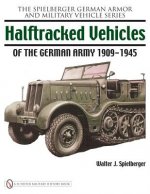
Halftracked Vehicles of the German Army 1909-1945
35.60 € -25 % -

U.S. Aerial Armament in World War II Ultimate Look: Vol 1: Guns, Ammunition, and Turrets
49.15 € -26 % -

Motorcycles of the Wehrmacht
18.50 € -26 % -

Luftwaffe in Colour Volume 2
19.01 € -24 % -
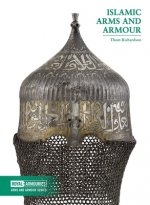
Islamic Arms and Armour
11.22 € -23 % -
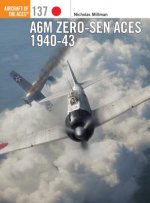
A6M Zero-sen Aces 1940-42
15.97 € -33 % -

MiG-29: Russia's Legendary Air Superiority and Multirole Fighter, 1977 to the Present
32.16 € -26 % -

Command and Control
11.52 € -29 % -
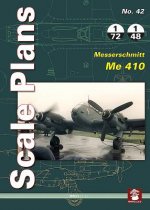
Scale Plans 42: Messerschmitt Me 410
11.52 € -10 % -
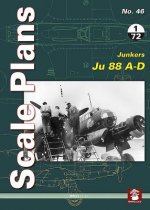
Scale Plans 46: Junkers Ju 88 A-D
11.52 € -10 % -

Panzer Ace
26.39 € -25 % -

Bridgebuilding Equipment of the Wehrmacht 1939-1945
8.39 € -25 % -

Cars of the Wehrmacht
18.50 € -26 % -

Fw 200 Condor vs Atlantic Convoy
19.31 € -15 % -
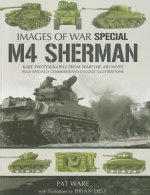
M4 Sherman: Images of War
18.10 € -24 % -

F-100 Super Sabre Units of the Vietnam War
20.52 € -14 % -

Russian Tanks of World War II
21.23 € -24 % -

Nuclear Weapons Operations Manual
31.65 € -24 % -
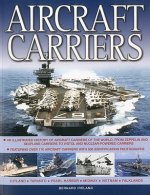
Aircraft Carriers
13.95 € -24 % -

U-2 Spyplane: Toward the Unknown: A New History of the Early Years
25.38 € -26 % -

Guderian: Panzer General
15.97 € -25 % -
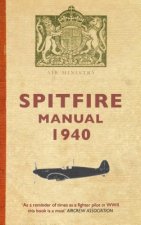
Spitfire Manual 1940
10.92 € -24 % -

World Encyclopedia of Tanks & Armoured Fighting Vehicles
26.70 € -24 % -

Spitfire Pocket Manual
11.22 € -19 % -

Japanese Aircraft of World War II
21.23 € -24 % -
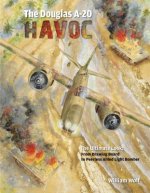
Douglas A-20 Havoc: From Drawing Board to Peerless Allied Light Bomber
55.93 € -26 % -
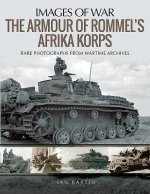
Armour of Rommel's Afrika Korps
15.97 € -25 % -

Complete Book of the SR-71
34.59 € -26 % -

Battleships Yamato and Musashi
41.26 € -27 % -

Panzer Leader
16.18 € -25 % -

Making Of The Atomic Bomb
14.25 € -30 % -

USS Missouri (BB-63): America's Last Battleship
14.76 € -28 % -

Douglas TBD Devastator: America's First World War II Torpedo Bomber
15.16 € -26 % -

Consolidated B-24 Vol.1: The XB-24 to B-24E Liberators in World War II
15.16 € -26 % -
Tupolev TU-16: Versatile Cold War Bomber
55.93 € -26 % -

Germany's Tiger Tanks: VK45.02 to TIGER II: VK45.02 to TIGER II Design, Production and Modifications
49.15 € -26 % -
M1 Abrams: America's Main Battle Tank
15.16 € -26 % -

Panzerwaffe on the Battlefield: World War Two Photobook Series
27.50 € -24 % -
Lockheed T-33: A Photo Chronicle
18.50 € -26 % -

North American XB-70 Valkyrie
17.39 € -19 % -

Tous Les Laffly Militaires, 1914-1940
26.19 € -

Challenger Main Battle Tank 1982-97
15.77 € -14 % -

Challenger 2 Main Battle Tank 1987-2006
14.86 € -19 %
Collection points Bratislava a 13294 dalších
Copyright ©2008-26 najlacnejsie-knihy.sk All rights reservedPrivacyCookies

 26592 collection points
 Delivery 2.99 €
 02/210 210 99 (8-15.30h)