Code: 04560273
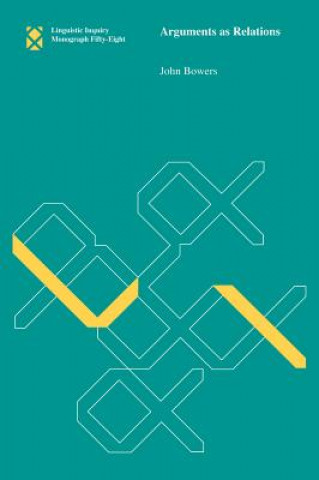
Arguments as Relations
by John Bowers
In Arguments as Relations, John Bowers proposes a radically new approach to argument structure that has the potential to unify data from a wide range of different language types in terms of a simple and universal syntactic structu ... more


- Language:
 English
 - Binding: Hardback
- Number of pages: 256
Publisher: MIT Press Ltd, 2010
- More about this

11.83 €
Availability:
50/50 We think title might be available. Upon your order we will do our best to get it within 6 weeks.
We search the world
You might also like
-

Kráľovná vetra a tmy
15.57 € -13 % -

Blood Sugar
10.82 € -24 % -

The BMW 507 Saga II
52.01 € -24 % -

Life Histories of the Dobe !Kung
104.63 € -

Managing and Marketing Health Services
87.83 € -

Invictus - Unbezwungen, 1 DVD
13.15 € -
Brain-Friendly Strategies for Developing Student Writing Skills
32.27 € -10 % -

Oxford Reading Tree TreeTops Fiction: Level 11 More Pack B: Robot Childminder
10.41 € -24 % -

Dedaojing
17.90 € -7 % -

Spider-Touched
19.22 € -18 % -

Grounds for Appeal
11.32 € -24 % -

Relajación
19.22 € -10 % -

Planning To Win: The Unseen Side of Coaching and Building a Successful Sports Program
14.06 € -6 % -

Schmerz, nicht mehr zu sein ...
10.82 € -10 %
Give this book as a present today
- Order book and choose Gift Order.
- We will send you book gift voucher at once. You can give it out to anyone.
- Book will be send to donee, nothing more to care about.
Availability alert
Enter your e-mail address and once book will be available,
we will send you a message. It's that simple.
More about Arguments as Relations
You get 29 loyalty points
 Book synopsis
In Arguments as Relations, John Bowers proposes a radically new approach to argument structure that has the potential to unify data from a wide range of different language types in terms of a simple and universal syntactic structure. In many ways, Bowers's theory is the natural extension of three leading ideas in the literature: the minimalist approach to Case theory (particularly Chomsky's idea that Case is assigned under the Agree function relation); the idea of introducing arguments in specifiers of functional categories rather than in projections of lexical categories; and the neo-Davidsonian approach to argument structure represented in the work of Parsons and others. Bowers pulls together these strands in the literature and shapes them into a unified theory. These ideas, together with certain basic assumptions--notably the idea that the initial order of merge of the three basic argument categories of Agent, Theme, and Affectee is just the opposite of what has been almost universally assumed in the literature--lead Bowers to a fundamental rethinking of argument structure. He proposes that every argument is merged as the specifier of a particular type of light verb category and that these functional argument categories merge in bottom-to-top fashion in accordance with a fixed Universal Order of Merge (UOM). In the hierarchical structures that result from these operations, Affectee arguments will be highest, Theme arguments next highest, and Agent arguments lowest--exactly the opposite of the usual assumption. Linguistic Inquiry Monographs 58 The hardcover edition does not include a dust jacket.
Book details
Book category Books in English Language linguistics Semantics, discourse analysis, etc
11.83 €
- Full title: Arguments as Relations
- Author: John Bowers
- Language: English
- Binding: Hardback
- Number of pages: 256
- EAN: 9780262014311
- ISBN: 0262014319
- ID: 04560273
- Publisher: MIT Press Ltd
- Weight: 462 g
- Dimensions: 160 × 235 × 19 mm
- Date of publishing: 23. July 2010
Trending among others
-
Lover's Discourse
13.04 € -29 % -
Selections from Science and Sanity
12.03 € -25 % -

Language and Symbolic Power
24.18 € -5 % -
Language in Thought and Action
14.06 € -25 % -
Farnsworth's Classical English Rhetoric
15.07 € -24 % -

Mythologies
13.96 € -24 % -

How to Do Critical Discourse Analysis
35.51 € -10 % -

Political Correctness - A History of Semantics and Culture
44.32 € -9 % -
Comic Toolbox
11.32 € -24 % -

After Babel
26.40 € -
Word and Object (Studies in Communication)
18.31 € -

Time and Narrative
26.50 € -
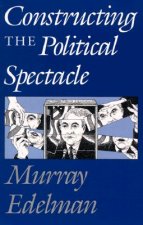
Constructing the Political Spectacle
29.84 € -
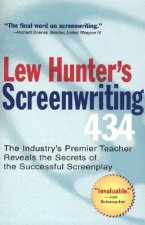
Lew Hunter's Screenwriting 434
21.44 € -18 % -
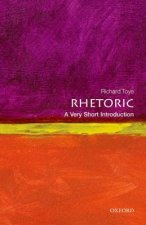
Rhetoric: A Very Short Introduction
10.01 € -24 % -
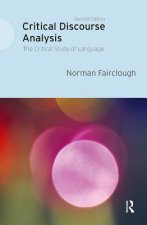
Critical Discourse Analysis
63.04 € -

Language and Myth
7.18 € -25 % -

How to Read a Poem
14.06 € -25 % -
New Rhetoric, The
39.05 € -
Sign of Three
27.62 € -

Winning Arguments
14.66 € -18 % -
Understanding Rhetoric
37.33 € -1 % -
Meaning and Relevance
57.77 € -
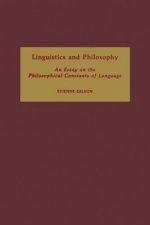
Linguistics and Philosophy
32.68 € -20 % -

Image and Concept
56.05 € -

Introducing Semiotics
9.71 € -25 % -

Three Steps on the Ladder of Writing
24.88 € -12 % -

Language and Power
77.20 € -
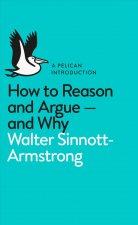
Think Again
12.23 € -22 % -

Role of the Reader
27.41 € -
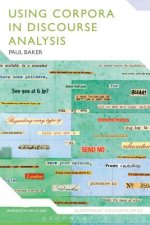
Using Corpora in Discourse Analysis
62.13 € -
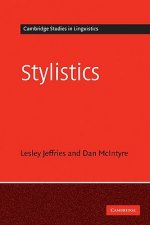
Stylistics
39.46 € -
Discourse and Social Change
25.59 € -4 % -
Meaning in Language
45.63 € -
Morphology and Lexical Semantics
43.81 € -1 % -

Arguing and Thinking
52.71 € -1 % -
Pragmatics of Translation
38.45 € -10 % -

How to do Discourse Analysis
48.16 € -
Linguistic Semantics
60.41 € -
Functional Discourse Grammar for English
67.29 € -
Meaning in Interaction
71.94 € -
On Dialogue
33.28 € -
Semantics
39.76 € -

Collocation
55.85 € -

Lexikologie, Phraseologie, Semantik kontrastiv
73.56 € -6 % -
Digital Discourse
54.43 € -

Finding What You Didn't Lose
21.44 € -18 % -
Anglicisms and Corpus Linguistics
62.53 € -9 % -
Idioms and Collocations
198.54 €
Collection points Bratislava a 12837 dalších
Copyright ©2008-26 najlacnejsie-knihy.sk All rights reservedPrivacyCookies

 25678 collection points
 Delivery 2.99 €
 02/210 210 99 (8-15.30h)