Kód: 45945736
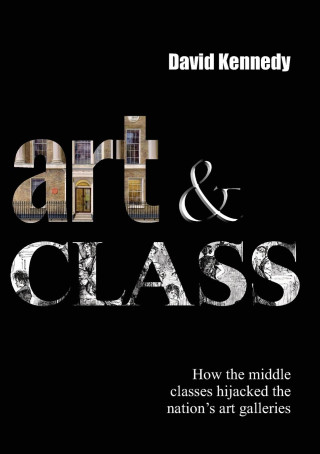
ART & CLASS
Autor David Kennedy
On a bright autumn day in 1857, the workers from Salts Mill in Yorkshire were waiting for special trains to take them on a day trip. But they were not going to Blackpool: they were going to The Manchester Art Exhibition which attr ... celý popis


- Jazyk:
 Angličtina
 - Väzba: Brožovaná
- Počet strán: 280
Nakladateľ: Fisher King Publishing, 2024
- Viac informácií o knihe

26.49 €
Bežne: 27.03 €
Ušetríte 0.54 €

Skladom u dodávateľa
Odosielame za 9 - 15 dní
Mohlo by sa vám tiež páčiť
-

Moonwalk
14.15 € -

The Score
13.75 € -12 % -

The Deal
12.43 € -21 % -

The Mistake
14.56 € -7 % -

Jujutsu Kaisen, Vol. 30
9.60 € -22 % -

Witch Hat Atelier: Grimoire Edition 1
34.59 € -29 % -

Invincible Compendium Volume 2
46.42 € -23 % -

Berserk Deluxe Volume 1
35.70 € -25 % -

The Goal
14.66 € -10 % -

Berserk Deluxe Volume 2
33.17 € -30 % -

Invincible Compendium Volume 1
57.14 € -9 % -

Witch Hat Atelier Manga Box Set 1
51.28 € -31 % -

Heated Rivalry
12.63 € -7 % -

Moonwalk: A Memoir
19.92 € -31 % -

Murdoku
18.10 € -25 % -

Lord of Mysteries, Vol. 3: The Clown, Part III
14.96 € -29 % -

Jujutsu Kaisen, Vol. 25
9.90 € -20 % -

White Nights
4.74 € -11 % -
Veil Volume 1
13.54 € -30 % -

Jujutsu Kaisen, Vol. 26
9.90 € -20 % -

Legacy
13.54 € -21 %
Darčekový poukaz: Radosť zaručená
- Darujte poukaz v ľubovoľnej hodnote, a my sa postaráme o zvyšok.
- Poukaz sa vzťahuje na všetky produkty v našej ponuke.
- Elektronický poukaz si vytlačíte z e-mailu a môžete ho ihneď darovať.
- Platnosť poukazu je 12 mesiacov od dátumu vystavenia.
Viac informácií o knihe ART & CLASS
Nákupom získate 64 bodov
 Anotácia knihy
On a bright autumn day in 1857, the workers from Salts Mill in Yorkshire were waiting for special trains to take them on a day trip. But they were not going to Blackpool: they were going to The Manchester Art Exhibition which attracted 1.3 million visitors in less than six months the majority of whom were mill hands, factory workers and domestic servants.
Today less than 8% of visitors to our great galleries are from the working class. When and why did the working classes stop visiting art galleries and why does this matter?
Art & Class describes the advent of public art in the 18th Century, the development of national galleries in London and the explosion of regional galleries, all of which were crowded with working-class visitors.
All this came to a halt in 1946 when Keynes and the Bloomsbury Group seized control of the art world by establishing the Arts Council, slashing the countrywide Art for the People budget and pouring money into opera and ballet.
The same metropolitan elite, who established the Arts Council in 1946, still dominate our national galleries. Despite free opening, a range of charging and taxation policies mean that the working classes are not only being denied access to cultural capital but are subsidising the middle classes.
Art is a key aspect of cultural capital which middle-class children absorb through visits to galleries and concerts, but which are beyond the reach of working-class parents. This precious commodity opens the door to the elite universities and then on to high-paying jobs but working-class graduates entering the elite professions earn 16% less than their middle-class peers.
If the boards of today's galleries were more diverse and had inclusive charging and curatorial policies then, as in the Victorian era, they would attract visitors from all classes.
Parametre knihy
Zaradenie knihy Knihy po nemecky Geisteswissenschaften, Kunst, Musik Kunst Bildende Kunst
26.49 €
- Celý názov: ART & CLASS
- Autor: David Kennedy
- Jazyk: Angličtina
- Väzba: Brožovaná
- Počet strán: 280
- EAN: 9781914560989
- ISBN: 1914560981
- ID: 45945736
- Nakladateľ: Fisher King Publishing
- Hmotnosť: 540 g
- Rozmery: 210 × 148 × 18 mm
- Dátum vydania: 30. April 2024
Osobný odber Bratislava a 12825 dalších
Copyright ©2008-26 najlacnejsie-knihy.sk Všetky práva vyhradenéSúkromieCookies

 24 miliónov titulov
 Vrátenie do mesiaca
 02/210 210 99 (8-15.30h)