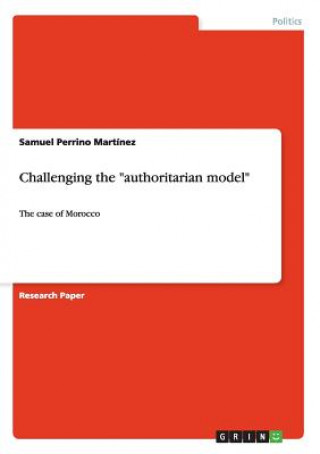
Kód: 01680687
Challenging the authoritarian model
Autor Samuel Perrino Martínez
Research Paper from the year 2012 in the subject Politics - International Politics - Region: Far East, grade: -, University of Southern Denmark (Middle East Studies Center), course: Master, language: English, abstract: Since 1950, ... celý popis


- Jazyk:
 Angličtina
 - Väzba: Brožovaná
- Počet strán: 26
Nakladateľ: Grin Publishing, 2012
- Viac informácií o knihe

16.19 €
Bežne: 18.99 €
Ušetríte 2.80 €

Skladom u dodávateľa
Odosielame za 5 - 8 dní
Mohlo by sa vám tiež páčiť
-

Das Fahrradbuch. Auswahl, Ausrüstung, Pflege, Reparatur, Wartung, Technik, Anschaffung, Ausstattung und Zubehör
11.13 € -15 % -

Закат Западного мира (комплект в 2-х томах)
14.07 € -11 % -
Ancient Greek Literature
61.96 € -

Grammar, Reading and Maths Year 4
7.69 € -25 % -
Aufbruch der entsicherten Gesellschaft
49.51 € -
Greek World
69.05 € -

Sleepwalk
21.66 € -

Berlin, Berlin...
22.47 € -11 % -

Just Here, Just Now: Poems
18.12 € -9 % -

Au coeur de la France mystérieuse
25.61 € -

Höyükte Bir Ulu Cinar
9.20 € -4 % -

Shakespeare on Film
82.62 € -
Efecto de tratamiento base MJ en frutos de Tomate entero
57.91 € -14 % -

Class Reunion
199.98 € -
LES RAPPORTS ET DÉCLARATIONS DE DROITS DU DÉPARTEMENT DE MEURTHE ET MOSELLE
65.71 € -

Demain Vous Voterez L'Abolition de La Peine de Mort . Discours Du Garde Des Sceaux Robert Badinter Devant L'Assembl'e Nationale, 17 Septembre 1981
5.66 € -

Intermediate Electromagnetic Theory
109.45 € -

Vom Aufgang der Liebe: Predigten
6.37 € -6 % -

Manual of Heart Failure Management
61.05 € -
Je t'ai aimé
17.20 € -

I Keep My Cool
37.96 €
Darčekový poukaz: Radosť zaručená
- Darujte poukaz v ľubovoľnej hodnote, a my sa postaráme o zvyšok.
- Poukaz sa vzťahuje na všetky produkty v našej ponuke.
- Elektronický poukaz si vytlačíte z e-mailu a môžete ho ihneď darovať.
- Platnosť poukazu je 12 mesiacov od dátumu vystavenia.
Viac informácií o knihe Challenging the authoritarian model
Nákupom získate 39 bodov
 Anotácia knihy
Research Paper from the year 2012 in the subject Politics - International Politics - Region: Far East, grade: -, University of Southern Denmark (Middle East Studies Center), course: Master, language: English, abstract: Since 1950, Morocco has received more U.S. aid than any other Arab or African country, except for Egypt. Indeed, since the beginning of the war over Western Sahara, Morocco has received more than one-fifth of all U.S. aid to the continent, totalling more than $1 billion in military assistance and $1.3 billion in economic aid ( Zunes). This aid is more relevant if one takes into account the remarkable diplomatic support given by United States, in the Sahara issue, in opposition to the International Right. For other hand, the European Union has always followed Moroccan policy, both as an Union, but also the different countries which belong to it ( especially France). This is witnessed through special status of privilege, and in different trade agreements, which some analyst have described as a disguised subsidy in retribution for prickly issues as immigration or terrorism ( El Mundo)Few regions have such geostrategic relevance as the Middle East, however Morocco, in opposition to their neighbours, is one of the countries with the least natural resources (Calatrava García). It has no oil or gas, and its situation is relatively peripheral in relation to the rest of the Arab World, especially in the relation with the hottest region : Palestine. As Frisch (2011) affirms, Moroccan regime survival is probably the hardest to explain; it is the most populous monarchy with a population of over 30 million, has no oil, a low GNP per capita by the standards of most of the states in the Middle East and North Africa, and one of the most unequal distributions of income. This paper is divided in two parts. In the first part I will expose the reasons that the Kingdom of Morocco could loose its international past relevance as a main actor in Middle East, both for United States and the European Union, using a comparative perspective with the Cold War period, with different actors. In the second part of the paper I will expose what is the position of Morocco to the new international challenges as terrorism or the question of democracy. This general comparative study will explain why a policy of economic and military support as in the past can be counterproductive, not just for moral or ideological reasons, but also geostrategic, fostering anti democratic and authoritarian structures in the region, becoming a threat rather than a factor of stability in the region.
Parametre knihy
Zaradenie knihy Knihy po anglicky Society & social sciences Politics & government
16.19 €
- Celý názov: Challenging the authoritarian model
- Autor: Samuel Perrino Martínez
- Jazyk: Angličtina
- Väzba: Brožovaná
- Počet strán: 26
- EAN: 9783656283218
- ISBN: 3656283214
- ID: 01680687
- Nakladateľ: Grin Publishing
- Hmotnosť: 45 g
- Rozmery: 210 × 148 × 2 mm
- Dátum vydania: 06. October 2012
Obľúbené z iného súdka
-

The Wretched of the Earth
10.42 € -30 % -

Flash Boys - A Wall Street Revolt
9.31 € -24 % -

Undercommons
19.23 € -24 % -

Every Man A King
19.94 € -18 % -

American Lion
26.72 € -27 % -
Children of the Matrix
14.27 € -33 % -

The Trigger
21.46 € -27 % -
State and Revolution
7.28 € -24 % -
Xi Jinping: The Governance of China
25.20 € -15 % -
Master of the Senate
18.32 € -24 % -

Politically Incorrect Guide to Islam (And the Crusades)
16.19 € -25 % -

Palestine Peace Not Apartheid. Palästina, Frieden, nicht Apartheid, English Edition
13.46 € -24 % -

Case Against the Sexual Revolution
14.77 € -25 % -

Sandworm
23.38 € -25 % -

City of Quartz
15.79 € -15 % -

Time for a Turning Point
21.05 € -24 % -

Maestro
15.38 € -18 % -

Yoga of Eating
10.62 € -25 % -

STRANGE DEATH OF EUROPE
14.88 € -24 % -
Politics: A Very Short Introduction
10.01 € -24 % -
Against Civilization
12.04 € -25 % -

My Autobiography
11.33 € -24 % -

Devil's Knot
14.07 € -25 % -

The Lords of Poverty: The Power, Prestige, and Corruption of the International Aid Business
12.75 € -25 % -
Xi Jinping: The Governance of China II
25.20 € -15 % -

No Turning Back
11.84 € -25 % -
Lineages of Modernity - A History of Humanity from the Stone Age to Homo Americanus
72.59 € -4 % -

Force of Law
47.18 € -
Political Masculinity: How Incels, Fundamentalists and Authoritarians Mobilise for Patriarchy
17.20 € -26 % -
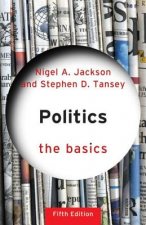
Politics: The Basics
30.27 € -

International Relations Since 1945
55.58 € -

Down With The Law
12.85 € -25 % -

Frontline Ukraine
25.20 € -12 % -

Reflected Glory
28.95 € -18 % -
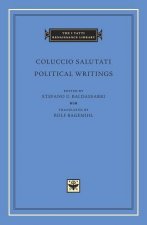
Political Writings
42.72 € -

The Red Army Faction: a Documentary History
25.10 € -25 % -

FM 3-21.8
18.22 € -2 % -
Mice;Int Pol Science Afric Pr
11.53 € -10 % -

Control of Air Pollution from Aircraft and Aircraft Engines
15.48 € -2 % -
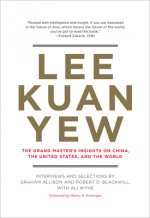
Lee Kuan Yew
17.41 € -19 % -

Alien Agenda
14.07 € -28 % -
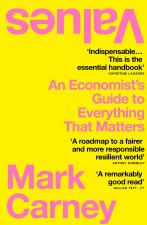
Values
16.09 € -8 % -
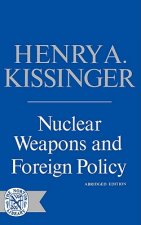
Nuclear Weapons and Foreign Policy
18.42 € -18 % -

Out of the Wreckage
11.53 € -20 % -

Strangers In Their Own Land
24.50 € -19 % -

Political Brain
16.09 € -24 % -
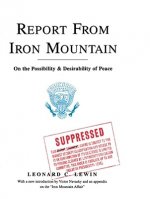
Report From Iron Mountain
11.64 € -18 % -
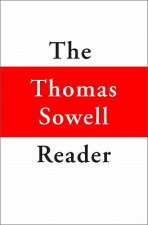
Thomas Sowell Reader
25.10 € -25 % -

Weapons of the Weak
20.44 € -23 %
Osobný odber Bratislava a 12882 dalších
Copyright ©2008-26 najlacnejsie-knihy.sk Všetky práva vyhradenéSúkromieCookies

 24 miliónov titulov
 Vrátenie do mesiaca
 02/210 210 99 (8-15.30h)