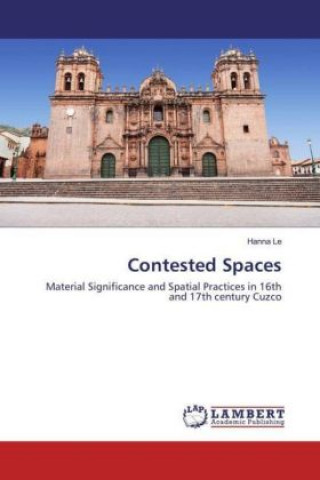
Kód: 13709207
Contested Spaces
Autor Hanna Le
After Spanish occupation in 1533, Cuzco transitioned from the former Inca capital into a colonial cuidad. The brick and mortar of Spanish colonial edifices and the spatial layout of seventeenth-century Cuzco were designed to reinf ... celý popis


- Jazyk:
 Angličtina
 - Väzba: Brožovaná
- Počet strán: 144
Nakladateľ: LAP Lambert Academic Publishing, 2016
- Viac informácií o knihe

49.93 €
Bežne: 58.53 €
Ušetríte 8.59 €

Skladom u dodávateľa
Odosielame za 5 - 8 dní
Mohlo by sa vám tiež páčiť
-

Sword Art Online: Girls' Ops, Vol. 1
10.02 € -24 % -

Snow Angels Library Edition
50.44 € -25 % -

Przetwarzanie języka naturalnego w praktyce. Przewodnik po budowie rzeczywistych systemów NLP
28.76 € -

Teaching Global Development
114.97 € -

Politics of Environmental Performance
143.54 € -

Individual Schools, Unique Solutions
38.79 € -
BlanKKKito
8.90 € -7 % -

Der Bauernspiegel (Autobiografie)
11.54 € -18 % -

Puig Antich, la transición inacabada
26.13 € -9 % -

Spirit Guides for Beginners
11.34 € -25 % -

Et quelquefois j'ai comme une grande idée
33.52 € -

Rethinking Social Capital and Entrepreneurship in Greater China
234.91 € -

Auditing
104.54 € -
Die Europäische Aktiengesellschaft, europäischen oder nationalen Rechts
41.42 €
Darčekový poukaz: Radosť zaručená
- Darujte poukaz v ľubovoľnej hodnote, a my sa postaráme o zvyšok.
- Poukaz sa vzťahuje na všetky produkty v našej ponuke.
- Elektronický poukaz si vytlačíte z e-mailu a môžete ho ihneď darovať.
- Platnosť poukazu je 12 mesiacov od dátumu vystavenia.
Viac informácií o knihe Contested Spaces
Nákupom získate 121 bodov
 Anotácia knihy
After Spanish occupation in 1533, Cuzco transitioned from the former Inca capital into a colonial cuidad. The brick and mortar of Spanish colonial edifices and the spatial layout of seventeenth-century Cuzco were designed to reinforce socio-ethnic order, imperial Spanish authority, and the supremacy of Christianity. However, the city's inhabitants, Andean native peoples and Spanish colonizers, understood the symbolic and material significance embedded in their shared environment in significantly different ways. Whereas the Spanish based their understanding of space on Euro-Christian utopian ideals, the Inca used urban space to celebrate their ritual mastery over the unordered natural environment and its peoples. These fundamentally different worldviews, each developed before contact, continued to exist within colonial Spanish frameworks. Indeed, colonial Cuzco retained elements of its pre-Hispanic Andean identity after the Spanish occupied and redesigned it. Cuzco and its inhabitants-both Andean and Spanish-adapted to the new colonial context by integrating and indigenous elements, ideologies, and designs into a new, highly contested spatial lexicon.
Parametre knihy
49.93 €
- Celý názov: Contested Spaces
- Podnázov: Material Significance and Spatial Practices in 16th and 17th century Cuzco
- Autor: Hanna Le
- Jazyk: Angličtina
- Väzba: Brožovaná
- Počet strán: 144
- EAN: 9783659909764
- ID: 13709207
- Nakladateľ: LAP Lambert Academic Publishing
- Hmotnosť: 231 g
- Rozmery: 220 × 150 × 9 mm
- Rok vydania: 2016
Obľúbené z iného súdka
-

Moonwalk
13.97 € -

Berserk Deluxe Volume 1
35.85 € -25 % -

The Score
12.35 € -9 % -
Murdoku
13.56 € -27 % -

Threshing Day (Wing and Claw Collection)
18.12 € -29 % -

The Mistake
11.34 € -16 % -

Berserk Deluxe Volume 2
38.89 € -26 % -

The Deal
12.25 € -20 % -

Jujutsu Kaisen, Vol. 30
9.72 € -25 % -

Dancing The Dream
21.37 € -26 % -

Berserk Deluxe Volume 3
55.30 € -
White Nights
4.55 € -14 % -

Threshing Day (Limited Deluxe Edition)
20.15 € -26 % -

The Goal
12.86 € -5 % -

Kid's Box New Generation Level 2 Activity Book with Digital Pack British English
10.93 € -8 % -

Jujutsu Kaisen, Vol. 26
9.92 € -20 % -
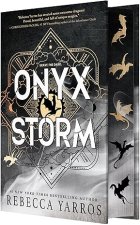
Onyx Storm (Deluxe Limited Edition) (The Empyrean, 3)
24 € -26 % -

Berserk Deluxe Volume 5
55 € -
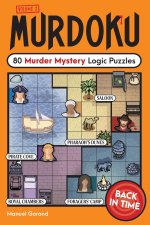
Murdoku Volume 2: Back in Time
13.56 € -27 % -

Chainsaw Man, Vol. 21
9.92 € -20 % -

The Count of Monte Cristo
10.42 € -30 % -

Witch Hat Atelier: Grimoire Edition 2
35.34 € -29 % -

Lord of Mysteries, Vol. 1: The Clown, Part I
15.39 € -22 % -

Invincible Compendium Volume 3
45.88 € -24 % -
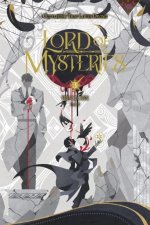
Lord of Mysteries, Vol. 3: The Clown, Part III
17.01 € -14 % -

Jujutsu Kaisen, Vol. 29
9.31 € -25 % -

Witch Hat Atelier: Grimoire Edition 1
35.34 € -29 % -
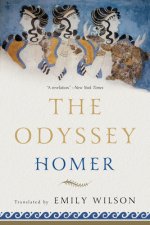
The Odyssey
14.07 € -25 % -

Berserk Deluxe Volume 4
43.55 € -17 % -
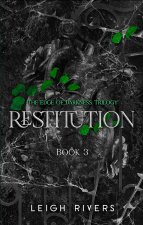
Restitution
10.02 € -26 % -

Six of Crows: A Darker Shore: Letters from Ketterdam
21.26 € -13 % -

Kid's Box New Generation Level 2 Pupil's Book with eBook British English
17.92 € -7 % -

The Legacy
11.84 € -23 % -

The Courage To Be Disliked
10.63 € -26 % -

JoJo's Bizarre Adventure: Part 7--Steel Ball Run, Vol. 7
18.12 € -26 % -

Heartstopper Volume 6
14.68 € -28 % -

Kid's Box New Generation Level 3 Activity Book with Digital Pack British English
10.93 € -8 % -

Jujutsu Kaisen, Vol. 1
13.36 € -
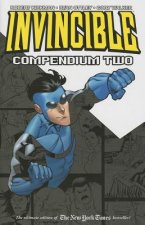
Invincible Compendium Volume 2
46.39 € -24 % -

Yesteryear
16.10 € -24 % -
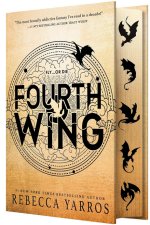
Fourth Wing
23.69 € -29 % -

Iron Flame
24.51 € -22 % -

Kid's Box New Generation Level 1 Activity Book with Digital Pack British English
11.13 € -6 % -
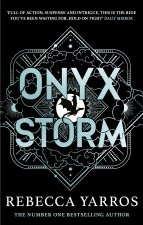
Onyx Storm
11.03 € -18 % -

Jujutsu Kaisen, Vol. 25
9.72 € -25 % -

Heated Rivalry
12.45 € -8 % -

Veil Volume 1
14.17 € -33 % -

Moonwalk: A Memoir
24.30 € -22 % -

East of Eden
12.65 € -29 %
Osobný odber Bratislava a 12800 dalších
Copyright ©2008-26 najlacnejsie-knihy.sk Všetky práva vyhradenéSúkromieCookies

 24 miliónov titulov
 Vrátenie do mesiaca
 02/210 210 99 (8-15.30h)