Kód: 04531538
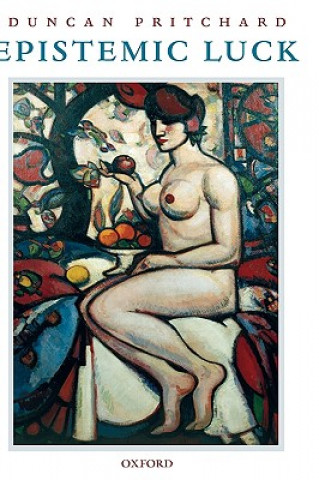
Epistemic Luck
Autor Pritchard, Duncan (Department of Philosophy, University of Stirling)
One of the key supposed 'platitudes' of contemporary epistemology is the claim that knowledge excludes luck. One can see the attraction of such a claim, in that knowledge is something that one can take credit for - it is an achiev ... celý popis


- Jazyk:
 Angličtina
 - Väzba: Pevná
- Počet strán: 306
Nakladateľ: Oxford University Press, 2005
- Viac informácií o knihe


Mohlo by sa vám tiež páčiť
-

Chainsaw Man Box Set
80.29 € -25 % -

Farm Sounds
14.88 € -20 % -

If We Ever Meet Again
10.01 € -27 % -

The Montessori Toddler
14.57 € -27 % -

Genki - An Integrated Course in Elementary Japanese - Answer Key - 3rd Edition
14.67 € -
Don Quijote De LA Mancha
16.50 € -6 % -

The Witcher Boxed Set: Blood of Elves, the Time of Contempt, Baptism of Fire, the Tower of Swallows, the Lady of the Lake
63.08 € -25 % -

Twelve Bones
8.60 € -30 % -

Anders Zorn
46.47 € -23 % -

Podložka rolovací 95x65cm
9.81 € -7 % -
Little Black Songbook
8.60 € -24 % -

Canapes
21.25 € -25 % -

Immortality: A Love Story
15.99 € -29 % -

Animal Crossing: New Horizons Official Complete Guide
63.18 € -

Coffret Banana Fish T01 & T02
43.63 € -

LEGO Harry Potter - Mágikus kincstár
18.12 € -14 % -

50 coloriages mystères
19.94 € -
Bash Pocket Reference 2e
18.32 € -24 % -
Animal Drawing and Anatomy
7.18 € -25 % -
Smart Cities
15.18 € -26 % -
Standard Bitcoina
13.96 € -13 % -

Love in Colour
11.74 € -21 % -

Hip: The History
16.19 € -17 % -

Arbeiten mit Holz. Das Grundlagenwerk
25.31 € -16 % -

Nottinghamshire Parish Registers: Bingham Wapentake: South Part
18.42 € -1 % -

Greece
10.82 € -20 % -

Einstein - Rosen Bridge Now Proven
10.72 € -10 % -

History of the Decline and Fall of the Roman Empire
30.98 € -2 % -

Keeping Lily
9.81 € -6 % -
Romeo und Julia auf dem Dorfe. Textausgabe mit Kommentar und Materialien
5.96 € -8 % -

God Has Purpose for You
23.08 € -24 % -

SEGURIDAD DEL TRATAMIENTO ASPECTOS TECNICOS (PARTE I)
34.42 € -
LES AFRICAINES - HISTOIRE DES FEMMES D'AFRIQUE NOIRE
41.91 € -

Technology of Semiactive Devices and Applications in Vibration Mitigation
139.83 € -9 % -
Liber legis Scaniae
65 €
Darčekový poukaz: Radosť zaručená
- Darujte poukaz v ľubovoľnej hodnote, a my sa postaráme o zvyšok.
- Poukaz sa vzťahuje na všetky produkty v našej ponuke.
- Elektronický poukaz si vytlačíte z e-mailu a môžete ho ihneď darovať.
- Platnosť poukazu je 12 mesiacov od dátumu vystavenia.
Viac informácií o knihe Epistemic Luck
Nákupom získate 302 bodov
 Anotácia knihy
One of the key supposed 'platitudes' of contemporary epistemology is the claim that knowledge excludes luck. One can see the attraction of such a claim, in that knowledge is something that one can take credit for - it is an achievement of sorts - and yet luck undermines genuine achievement. The problem, however, is that luck seems to be an all-pervasive feature of our epistemic enterprises, which tempts us to think that either scepticism is true and that we don't know very much, or else that luck is compatible with knowledge after all. In this book, Duncan Pritchard argues that we do not need to choose between these two austere alternatives, since a closer examination of what is involved in the notion of epistemic luck reveals varieties of luck that are compatible with knowledge possession and varieties that aren't. Moreover, Pritchard shows that a more nuanced understanding of the relationship between luck and knowledge can cast light on many of the most central topics in contemporary epistemology.These topics include: the externalism/internalism distinction; virtue epistemology; the problem of scepticism; metaepistemological scepticism; modal epistemology; and the problem of moral luck. All epistemologists will need to come to terms with Pritchard's original and incisive contribution.
Parametre knihy
Zaradenie knihy Knihy po anglicky Humanities Philosophy Philosophy: epistemology & theory of knowledge
125.05 €
- Celý názov: Epistemic Luck
- Autor: Pritchard, Duncan (Department of Philosophy, University of Stirling)
- Jazyk: Angličtina
- Väzba: Pevná
- Počet strán: 306
- EAN: 9780199280384
- ISBN: 019928038X
- ID: 04531538
- Nakladateľ: Oxford University Press
- Hmotnosť: 603 g
- Rozmery: 242 × 162 × 22 mm
- Dátum vydania: 10. March 2005
Obľúbené z iného súdka
-

Trade Like a Stock Market Wizard
23.08 € -25 % -
Hamlet's Mill
21.05 € -24 % -

Fabric of Reality
13.96 € -24 % -
Against Method
19.53 € -22 % -

Reformed Epistemology
15.38 € -
Ego Tunnel
25.31 € -
Outer Limits of Reason
19.63 € -24 % -

Short History of Decay
11.84 € -25 % -
Kant: Critique of Practical Reason
21.76 € -24 % -
Artistic Research Methodology
44.14 € -4 % -

Objectivity
37.15 € -12 % -
Intuition of the Instant
21.15 € -1 % -

Last Word
36.44 € -

Intentionality and Semiotics
26.32 € -

Truth and the Past
23.28 € -

Introduction to Objectivist Epistemology
21.46 € -18 % -
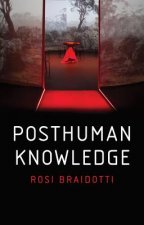
Posthuman Knowledge
18.32 € -7 % -
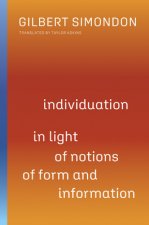
Individuation in Light of Notions of Form and Information
29.56 € -4 % -
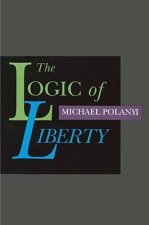
Logic of Liberty
10.93 € -11 % -

Beyond Good and Evil
9.31 € -24 % -
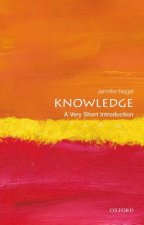
Knowledge: A Very Short Introduction
10.01 € -24 % -

Ecstasy of Communication
12.04 € -24 % -
Cambridge Companion to Kant's Critique of Pure Reason
43.63 € -

Tacit Dimension
23.38 € -

What Does It All Mean?
45.25 € -25 % -

What Does It All Mean?
33.71 € -

Truth and Method
32.19 € -9 % -

Being Wrong
11.84 € -25 % -

Manual for Creating Atheists
12.45 € -21 % -
Ego Trick
10.82 € -25 % -
Self and Other
37.56 € -

Thus Spoke Zarathustra
18.62 € -
Introduction to the Theory of Knowledge
50.42 € -

Against Epistemology - A Metacritique
22.06 € -

Opacity of Mind
20.24 € -

Transcendence of the Ego
26.93 € -
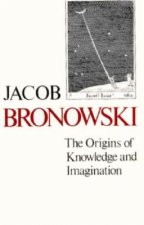
Origins of Knowledge and Imagination
19.33 € -24 % -

On Complexity
27.94 € -
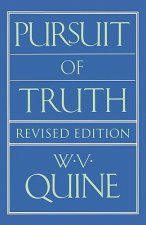
Pursuit of Truth
41.71 € -
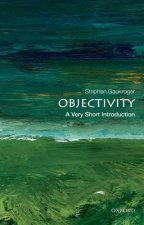
Objectivity: A Very Short Introduction
10.01 € -24 % -

Inquiring Mind
39.28 € -
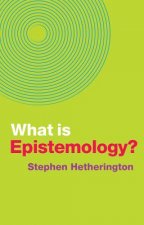
What is Epistemology?
19.63 € -4 % -

Kant and the Capacity to Judge
65.20 € -
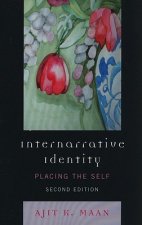
Internarrative Identity
51.84 € -
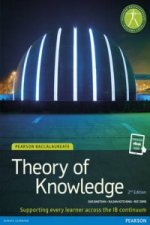
Pearson Baccalaureate Theory of Knowledge second edition print and ebook bundle for the IB Diploma
55.18 € -
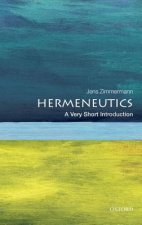
Hermeneutics: A Very Short Introduction
10.01 € -24 % -
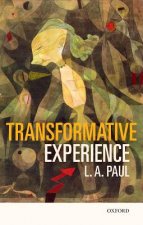
Transformative Experience
27.03 € -6 % -
Goethe's Theory of Knowledge
14.88 € -24 % -
Reason, Truth and History
29.86 €
Osobný odber Bratislava a 12542 dalších
Copyright ©2008-26 najlacnejsie-knihy.sk Všetky práva vyhradenéSúkromieCookies

 24 miliónov titulov
 Vrátenie do mesiaca
 02/210 210 99 (8-15.30h)