
Kód: 01978947
Mindfulness and Learning
Autor Terry Hyland
In recent decades, education at all levels has been seriously impoverished by a growing obsession with standards, targets, skills and competences. According to this model, only a circumscribed range of basic cognitive skills and c ... celý popis


- Jazyk:
 Angličtina
 - Väzba: Pevná
- Počet strán: 238
Nakladateľ: Springer, 2011
- Viac informácií o knihe

103.07 €
Bežne: 111.71 €
Ušetríte 8.63 €

Skladom u dodávateľa
Odosielame za 10 - 13 dní
Mohlo by sa vám tiež páčiť
-

The King Is Coming
21.46 € -27 % -

Mindfulness
15.99 € -29 % -

Boarding School Juliet 9
10.62 € -9 % -

The King of Diamonds
14.77 € -25 % -

Deadpool: World's Greatest Vol. 8 - Till Death To Us
14.98 € -25 % -

Hriech náš každodenný
14.67 € -13 % -

Rumpelstiltskin
7.48 € -28 % -

Raising Them Right
7.89 € -24 % -

Motive A1-B1
43.74 € -11 % -

First for Schools Trainer Audio CDs (3)
114.11 € -

Grundkurs Theoretische Physik 1
51.03 € -

The Law of Success in Sixteen Lessons
17.20 € -

The Dirty Secrets Club
8.90 € -

Mindfulness
63.99 € -

"Everything" Cooking for Kids Cookbook
21.46 € -18 % -

The Science of Weather and Climate: Rain, Sleet, and the Rising Tide
17 € -8 % -

Hazardous Waste Q&A Rev Ed
142.77 € -1 % -

Beschaftigung in der Altenpflege. Ursache und Wirkung der Kommerzialisierung des Pflegesektors
16.19 € -10 % -

Power-Aware Architecting
103.07 € -7 % -
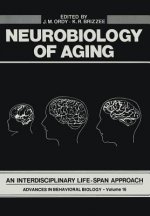
Neurobiology of Aging
89.71 € -7 % -

Max Weber-Gesamtausgabe
442.71 € -

Gema Lde Von Ungern. with a Map
23.58 € -31 % -

Drinking Molotov Cocktails with Gandhi
11.84 € -24 % -

Courageous Judicial Decisions in Alabama
9.91 € -25 % -

Grüße von Charon
8.50 € -4 % -

History and Ideology in Proust
120.69 € -

Microwave Imaging
132.85 € -10 % -

Diversity Management. Die Bedeutung von Diversitat in mittelstandischen Unternehmen
40.19 € -11 % -

Outback Bushfire Miracle Recovery
22.37 € -9 % -

Deutsche Wirtschaftsgeschichte bis zum 17. Jahrhundert
17.91 € -11 % -

Survey of Human Communication
63.48 € -

Die Geschichte der Annenkirche in Dresden
25.10 € -11 % -

Study Guide for William Shakespeare's The Tempest
11.23 € -2 % -

Invisible Histories
8.09 € -2 % -

Personal Narratives of Irish and Scottish Migration, 1921-65
31.28 € -9 %
Darčekový poukaz: Radosť zaručená
- Darujte poukaz v ľubovoľnej hodnote, a my sa postaráme o zvyšok.
- Poukaz sa vzťahuje na všetky produkty v našej ponuke.
- Elektronický poukaz si vytlačíte z e-mailu a môžete ho ihneď darovať.
- Platnosť poukazu je 12 mesiacov od dátumu vystavenia.
Viac informácií o knihe Mindfulness and Learning
Nákupom získate 249 bodov
 Anotácia knihy
In recent decades, education at all levels has been seriously impoverished by a growing obsession with standards, targets, skills and competences. According to this model, only a circumscribed range of basic cognitive skills and competences are the business of education, whose main role is to provide employability credentials for people competing for jobs in the global economy. The result is a one-dimensional, economistic and bleakly utilitarian conception of the educational task.§In Mindfulness and Learning: Celebrating the Affective Dimension of Education, Terry Hyland advances the thesis that education stands in need of a rejuvenation of its affective function the impact it has on the emotional, social, moral and personal development of learners. Drawing on the Buddhist conception of mindfulness, he advances a powerful argument for redressing this imbalance by enhancing the affective domain of learning. §Mindfulness and Learning: Celebrating the Affective Dimension of Education shows how the concept and practice of mindfulness non-judgmental, present moment awareness and experience can enrich learning at all levels. Mindfulness thus contributes to the enhanced achievement of general educational goals, and helps remedy the gross deficiency of the affective/emotional aspects of contemporary theory and practice. §The author outlines a mindfulness-based affective education (MBAE) programme and shows how it might be introduced into educational provision from the early years to adult education with a view to harmonising the cognitive-affective balance across the system.In recent decades, education at all levels has been seriously impoverished by a growing obsession with standards, targets, skills and competences. According to this model, only a circumscribed range of basic cognitive skills and competences are the business of education, whose main role is to provide employability credentials for people competing for jobs in the global economy. The result is a one-dimensional, economistic and bleakly utilitarian conception of the educational task.§In Mindfulness and Learning: Celebrating the Affective Dimension of Education, Terry Hyland advances the thesis that education stands in need of a rejuvenation of its affective function the impact it has on the emotional, social, moral and personal development of learners. Drawing on the Buddhist conception of mindfulness, he advances a powerful argument for redressing this imbalance by enhancing the affective domain of learning. §Mindfulness and Learning: Celebrating the Affective Dimension of Education shows how the concept and practice of mindfulness non-judgmental, present moment awareness and experience can enrich learning at all levels. Mindfulness thus contributes to the enhanced achievement of general educational goals, and helps remedy the gross deficiency of the affective/emotional aspects of contemporary theory and practice. §The author outlines a mindfulness-based affective education (MBAE) programme and shows how it might be introduced into educational provision from the early years to adult education with a view to harmonising the cognitive-affective balance across the system.§
Parametre knihy
Zaradenie knihy Knihy po anglicky Society & social sciences Education Philosophy & theory of education
103.07 €
- Celý názov: Mindfulness and Learning
- Podnázov: Celebrating the Affective Dimension of Education
- Autor: Terry Hyland
- Jazyk: Angličtina
- Väzba: Pevná
- Počet strán: 238
- EAN: 9789400719101
- ISBN: 9400719108
- ID: 01978947
- Nakladateľ: Springer
- Hmotnosť: 524 g
- Rozmery: 242 × 162 × 19 mm
- Dátum vydania: 21. August 2011
Obľúbené z iného súdka
-

Complexity and Education
54.06 € -

Grammar of Fantasy
21.66 € -25 % -

Dumbing Us Down - 25th Anniversary Edition
14.77 € -25 % -

Language Teaching in Steiner-Waldorf Schools
10.82 € -25 % -

Research Methods in Education
75.83 € -

Pedagogy of the Oppressed
31.68 € -

Leader in Me
16.09 € -24 % -

Great Tradition
30.37 € -21 % -

Resisting Educational Inequality
56.09 € -

Gift of Wonder
16.19 € -17 % -

Bringing Words to Life
45.05 € -

Teaching To Transgress
41.10 € -17 % -

Weapons of Mass Instruction
16.19 € -25 % -

Critical Thinking
14.88 € -16 % -

On the Meaning of Life
14.77 € -25 % -

Art of Thought
32.90 € -1 % -

Unschooled Mind
22.27 € -

Education of the Child
13.86 € -18 % -
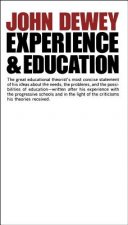
Experience And Education
11.33 € -25 % -

Education and the Social Order
24.90 € -

Place-Based Education
10.82 € -25 % -

Hidden Lives of Learners
28.34 € -2 % -

Art of Thought
46.37 € -2 % -

Montessori
34.42 € -11 % -

Montessori Method
12.75 € -24 % -

Understanding Waldorf Education
10.82 € -25 % -
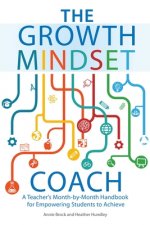
Growth Mindset Coach
15.69 € -2 % -

Kingdom of Childhood
16.19 € -17 % -

Seven Myths About Education
41.81 € -
![45 Tips, Tricks, and Secrets for the Successful International Baccalaureate [IB] Student](https://media.libris.to/jacket/16056511t.jpg "45 Tips, Tricks, and Secrets for the Successful International Baccalaureate [IB] Student")
45 Tips, Tricks, and Secrets for the Successful International Baccalaureate [IB] Student
28.34 € -2 % -

Instead of Education
17.61 € -18 % -

Methamphetamine The Drug Of Death
8.60 € -24 % -

Democracy and Education
18.32 € -7 % -

Work Hard. Be Nice
15.99 € -19 % -

Counter Wokecraft
14.07 € -7 % -

New Culture of Learning
8.39 € -36 % -
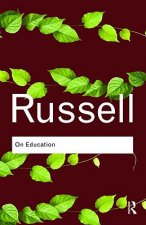
On Education
25.61 € -5 % -

Plough Quarterly No. 19 - School for Life
7.89 € -25 % -

Case against Education
32.60 € -5 % -

History and Philosophy of Art Education
58.52 € -

What If Everything You Knew About Education Was Wrong?
32.90 € -1 % -

Earth in Mind
28.75 € -7 % -

Philosophy Foundation
29.66 € -21 % -

Democracy and Education
13.05 € -

Power of Reading
37.66 € -

Montessori Method
69.96 € -

Human Nature
11.84 € -

EU Law
56.09 € -

Child's Changing Consciousness
19.94 € -18 %
Osobný odber Bratislava a 12542 dalších
Copyright ©2008-26 najlacnejsie-knihy.sk Všetky práva vyhradenéSúkromieCookies

 24 miliónov titulov
 Vrátenie do mesiaca
 02/210 210 99 (8-15.30h)