
Kód: 04531434
Modernizing Nature
Autor S. Ravi Rajan
Modernizing Nature contributes to the debate regarding the origins, institutionalization, and politics of the sciences and systems of knowledge underlying colonial frameworks of environmental management. It departs from the widely ... celý popis


- Jazyk:
 Angličtina
 - Väzba: Pevná
- Počet strán: 304
Nakladateľ: Oxford University Press, 2006
- Viac informácií o knihe


Mohlo by sa vám tiež páčiť
-

Cambridge International AS & A Level Biology: Exam Success Guide
35.33 € -

Silent Order
11.74 € -6 % -

Field Book of Practical Mineralogy; How to Examine and Report on Mines. Designed for the Use of Pros
17.41 € -25 % -

Mil ochenta y ocho ejercicios en circuito
34.82 € -

Gerichtsentlastung und Güteverfahren im Krieg und im Frieden
134.26 € -

Introduction to Macroeconomics Module
50.92 € -3 % -

Latin American Politics and Development
97.81 €
Darčekový poukaz: Radosť zaručená
- Darujte poukaz v ľubovoľnej hodnote, a my sa postaráme o zvyšok.
- Poukaz sa vzťahuje na všetky produkty v našej ponuke.
- Elektronický poukaz si vytlačíte z e-mailu a môžete ho ihneď darovať.
- Platnosť poukazu je 12 mesiacov od dátumu vystavenia.
Viac informácií o knihe Modernizing Nature
Nákupom získate 597 bodov
 Anotácia knihy
Modernizing Nature contributes to the debate regarding the origins, institutionalization, and politics of the sciences and systems of knowledge underlying colonial frameworks of environmental management. It departs from the widely prevalent scholarly perspective that colonial science can be understood predominantly as a handmaiden of imperialism. Instead, it argues that the myriad colonial sciences had ideological and interventionist traditions distinct from each other and from the colonial bureaucracy and that these tensions better explain environmental politics and policy dilemmas in the post-colonial era. Professor Rajan argues that tropical forestry in the nineteenth century consisted of at least two distinct approaches towards nature, resource, and people; and what won out in the end was the Continental European forestry paradigm. Rajan also shows that science and scientists were relatively marginal until the First World War.It was the acute scientific and resource crisis felt during the War, along with the rise of experts and expertise in Britain during that period and the lobby-politics of an organized empire-wide scientific community, that resulted in resource management regimes such as forestry beginning to get serious state backing. Over time, considerable differences in approach and outlook towards policy emerged between different colonial scientific communities, such as foresters and agriculturists. These different colonial sciences represented different situated knowledges, with different visions of nature, people, and empire, and in different configurations of power. Finally, in a panoramic overview of post-colonial developments, Rajan argues that the hegemony of these state-scientific regimes of resource-management during the period 1950-1990 engendered not just social revolt, as recent historical work has shown, but also intellectual protest. Consequently, the discipline of forestry became systematically re-conceptualized, with newapproaches to sylviculture, economics, law, and crucially, with new visions of modernity.This disciplinary change constitutes nothing short of a cognitive revolution, one that has been brought about by a clearly articulated political perspective on the orientation of the discipline of forestry by its practitioners.
Parametre knihy
Zaradenie knihy Knihy po anglicky Humanities History History: earliest times to present day
246.87 €
- Celý názov: Modernizing Nature
- Podnázov: Forestry and Imperial Eco-Development 1800-1950
- Autor: S. Ravi Rajan
- Jazyk: Angličtina
- Väzba: Pevná
- Počet strán: 304
- EAN: 9780199277964
- ISBN: 0199277966
- ID: 04531434
- Nakladateľ: Oxford University Press
- Hmotnosť: 540 g
- Rozmery: 223 × 142 × 22 mm
- Dátum vydania: 16. February 2006
Obľúbené z iného súdka
-

Tuesdays With Morrie
9.71 € -34 % -

Guns, Germs, and Steel
10.93 € -10 % -

Medieval Costume and How to Make It
11.23 € -2 % -

Illustrated Encyclopedia of Uniforms of World War I
21.25 € -25 % -

Gallic War
7.89 € -24 % -

Swerve
12.34 € -5 % -

Streams of Gold, Rivers of Blood
30.27 € -12 % -

Landmark Arrian
25.10 € -25 % -

Dividing the Spoils
14.67 € -9 % -

Alexander the Great
10.62 € -25 % -

Deng Xiaoping and the Transformation of China
25.81 € -25 % -

History of Ancient Egypt
16.09 € -24 % -

King's Two Bodies
21.66 € -25 % -

Poison King
14.77 € -25 % -

Lords of the Sea
25.20 € -18 % -

Chasseurs a Cheval Volume 3
23.48 € -
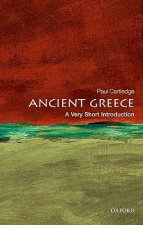
Ancient Greece: A Very Short Introduction
9.91 € -25 % -

World of the Newport Medieval Ship
33.71 € -17 % -

Book of Marvels and Travels
10.82 € -25 % -
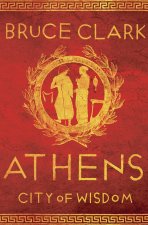
Athens
15.79 € -20 % -

Cities that Shaped the Ancient World
13.15 € -29 % -

Rwanda Crisis
25.51 € -9 % -

Trial by Fire and Water
19.33 € -2 % -

Failure of Empire
39.58 € -

Templars
18.12 € -25 % -

Forgotten Kingdom
37.15 € -7 % -

Lords Of Avaris
18.12 € -25 % -

Bold They Rise
26.52 € -24 % -

The Origins of Totalitarianism
13.15 € -34 % -

From Third World to First
19.84 € -

Learn to Read Ancient Sumerian
28.34 € -2 % -

Book of Margery Kempe
11.03 € -27 % -

Secret Team
18.32 € -24 % -

On Tyranny
10.01 € -27 % -

Egyptian Book of the Dead: The Book of Going Forth by Day : The Complete Papyrus of Ani Featuring Integrated Text and Full-Color Images (History ... M
32.70 € -8 % -

Oxford Illustrated History of Prehistoric Europe
38.98 € -10 % -
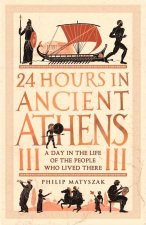
24 Hours in Ancient Athens
9.10 € -30 % -

Oxford Handbook of Neolithic Europe
61.86 € -

History of the Decline and Fall of the Roman Empire
14.88 € -24 % -

Illuminated Manuscripts
9.71 € -25 % -

Alexander the Great
14.17 € -23 % -

Distant Mirror
14.98 € -29 % -

Life in a Medieval Castle
13.15 € -30 % -

Fear and Loathing on the Campaign Trail '72
13.05 € -29 % -

Fall of Carthage
16.09 € -24 % -

Life in a Medieval Village
11.84 € -25 % -

Safe Area Gorazde
20.24 € -24 % -

Caesar
18.12 € -25 % -

Swords of the Viking Age
30.06 € -14 %
Osobný odber Bratislava a 12742 dalších
Copyright ©2008-26 najlacnejsie-knihy.sk Všetky práva vyhradenéSúkromieCookies

 24 miliónov titulov
 Vrátenie do mesiaca
 02/210 210 99 (8-15.30h)