Kód: 04670129
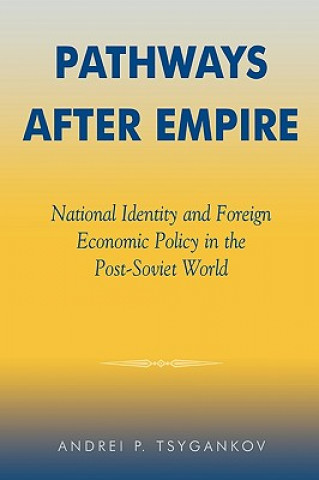
Pathways after Empire
Autor Andrei P. Tsygankov
This book explores how culture shapes foreign economic policy in post-Soviet states. After the Soviet empire fragmented, some of the newly emerged nations directed their economic activities primarily toward Russia and other former ... celý popis


- Jazyk:
 Angličtina
 - Väzba: Brožovaná
- Počet strán: 254
Nakladateľ: Rowman & Littlefield, 2001
- Viac informácií o knihe

69.86 €
Bežne: 69.88 €
Ušetríte 0.02 €

Skladom u dodávateľa
Odosielame za 10 - 18 dní
Mohlo by sa vám tiež páčiť
-

Obstacle is the Way: 10th Anniversary Special Edition
14.27 € -47 % -

Osobní automobily 2 Škoda Octavia
2.02 € -35 % -

Zones of Thought
20.24 € -24 % -

Nebulous Stars Isadora's geheimes Tagebuch
23.28 € -11 % -

Nežnosť rozkladu
5.86 € -23 % -

Information Theory
56.49 € -

Marvel kapitány 2.: Hangyányi célok
3.84 € -9 % -

Night Tide
15.48 € -25 % -

Masters of Light
87.48 € -

Price, Quality and Trust
43.03 € -

Les Martyrs de Rahay En 1870, Par Edouard Houdayer,
12.14 € -1 % -

Realm's End
13.26 € -6 % -

The Eb-5 Handbook: A Guide for Investors and Developers
43.94 € -7 % -

Aristotle's Rhetoric
48.90 € -

Der Kundenwert Im Marketing
75.33 € -

Maximizing Project Value: Defining, Managing, and Measuring for Optimal Return
18.42 € -18 % -

Die for me, my Darling 03
7.99 € -10 % -

Anything
13.15 € -18 % -

Humanismo para una nueva época: nuevos ensayos sobre el pensamiento de Luis Villoro
18.52 € -

New Picture Dictionary (English-Korean)
12.75 € -24 % -

Composition Skills Pupil Book 4
12.45 € -21 % -

American Journalism History Reader
85.86 € -

Missing Bronte
21.96 € -19 % -

Voices From Heaven
16.60 € -

Mens et Mania
27.13 € -9 % -

Lyrik II
288.08 € -4 % -

Write Dance
135.17 € -10 % -

What Young People Should Know: The Reproductive Function In Man And The Lower Animals (1875)
25.61 € -2 %
Darčekový poukaz: Radosť zaručená
- Darujte poukaz v ľubovoľnej hodnote, a my sa postaráme o zvyšok.
- Poukaz sa vzťahuje na všetky produkty v našej ponuke.
- Elektronický poukaz si vytlačíte z e-mailu a môžete ho ihneď darovať.
- Platnosť poukazu je 12 mesiacov od dátumu vystavenia.
Viac informácií o knihe Pathways after Empire
Nákupom získate 169 bodov
 Anotácia knihy
This book explores how culture shapes foreign economic policy in post-Soviet states. After the Soviet empire fragmented, some of the newly emerged nations directed their economic activities primarily toward Russia and other former republics, while others turned sharply away from the Soviet bloc. Taking a constructivist approach, Andrei P. Tsygankov explains the striking variation by making the original argument that a new state's strength of national identity shapes its foreign economic policy. The stronger the identity, the more likely the new state was to shift away from the empire. Drawing on detailed case studies of Latvia, Ukraine, and Belarus, the author demonstrates how the Baltic nations, with a strong sense of identity, chose to deal with Russia and other ex-Soviet nations on a strictly bilateral basis and entered preferential arrangements with European countries. Ukraine, with moderate identity strength, pursued active economic relations with both Russia and Europe. Finally, Belarus, with a relatively weak identity, pursued an effort to reintegrate with Russia at the expense of developing ties with Europe. Employing a range of both qualitative and quantitative analysis, this study brings a national identity perspective into the forefront of international political economy theory.
Parametre knihy
Zaradenie knihy Knihy po anglicky Economics, finance, business & management Economics International economics
69.86 €
- Celý názov: Pathways after Empire
- Podnázov: National Identity and Foreign Economic Policy in the Post-Soviet World
- Autor: Andrei P. Tsygankov
- Jazyk: Angličtina
- Väzba: Brožovaná
- Počet strán: 254
- EAN: 9780742516731
- ISBN: 0742516733
- ID: 04670129
- Nakladateľ: Rowman & Littlefield
- Hmotnosť: 390 g
- Rozmery: 228 × 152 × 20 mm
- Dátum vydania: 28. November 2001
Obľúbené z iného súdka
-

Bad Samaritans
12.45 € -27 % -

New Confessions of an Economic Hit Man
14.17 € -29 % -

Merchants of Grain
18.22 € -25 % -

Soros on Soros - Staying Ahead of the Curve
33.51 € -24 % -

Is the American Century Over?
10.42 € -25 % -

Splendid Exchange
21.25 € -25 % -

Making of an Atlantic Ruling Class
31.18 € -18 % -

Quest for the Perfect Strawberry
21.66 € -25 % -

Technical Analysis
83.73 € -25 % -

Doing Business in Europe
152.59 € -

International Trade
55.89 € -
New Foreign Policy
16.80 € -25 % -

Treasure Islands
12.24 € -30 % -
Has the West Lost It?
12.24 € -24 % -

Forex for Ambitious Beginners
18.32 € -7 % -

Crisis of Global Capitalism
20.75 € -17 % -

Red Capitalism
21.66 € -25 % -

Almighty Dollar
11.84 € -25 % -
Fault Lines
13.36 € -25 % -
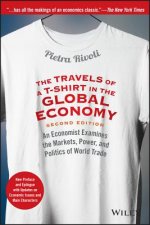
Travels of a T-Shirt in the Global Economy
17.20 € -26 % -

False Economy
12.85 € -25 % -

Between Debt and the Devil
39.58 € -

Superpower
26.72 € -

Between Silver and Guano
37.46 € -
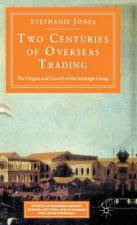
Two Centuries of Overseas Trading
55.89 € -

Great Rebalancing
14.77 € -25 % -

The Road to Ruin
17.51 € -18 % -
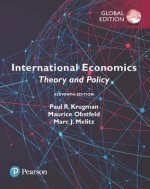
International Economics: Theory and Policy, Global Edition
90.21 € -

SuperHubs
11.53 € -22 % -
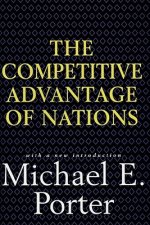
The Competitive Advantage of Nations
40.29 € -9 % -

China Shakes The World
13.96 € -24 % -

Competition Policy
83.53 € -

False Dawn
11.84 € -25 % -

Japanese Business Culture and Practices
10.62 € -25 % -

Import/Export Kit For Dummies 3e
21.76 € -24 % -

No Ordinary Disruption
17.10 € -20 % -

Cracking the China Conundrum
50.32 € -

Concise History of International Finance
36.44 € -

Pillaging the World
20.34 € -

EuroTragedy
38.37 € -12 % -

Oxford Handbook on The World Trade Organization
48.60 € -

Age of Turbulence
16.90 € -30 % -

Natural Capitalism
17.20 € -26 % -

Handbook of International Trade and Finance
62.87 € -

International Trade
79.38 € -
International Economic Institutions
55.89 € -

Making Globalization Work
11.84 € -25 % -

International Trade Finance
85.46 € -
Essay on the Nature of Trade in General
12.85 € -12 %
Osobný odber Bratislava a 12542 dalších
Copyright ©2008-26 najlacnejsie-knihy.sk Všetky práva vyhradenéSúkromieCookies

 24 miliónov titulov
 Vrátenie do mesiaca
 02/210 210 99 (8-15.30h)