Kód: 41614478
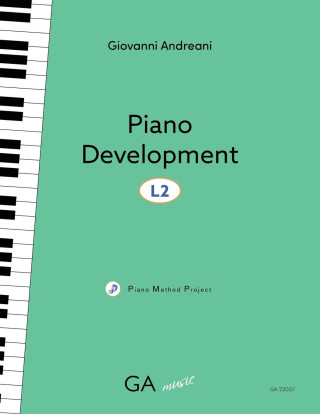
Piano Development L2
Autor Giovanni Andreani
Piano Development (PD) is, throughout the PMP Development Areas, the main framework around which all other Development Areas orbit; it has been conceived to help piano teachers achieve a profound view of their student's improvemen ... celý popis


- Jazyk:
 Angličtina
 - Väzba: Brožovaná
- Počet strán: 44
Nakladateľ: GA, 2022
- Viac informácií o knihe

18.72 €
Bežne: 24.91 €
Ušetríte 6.18 €

Skladom u dodávateľa
Odosielame za 9 - 15 dní
Mohlo by sa vám tiež páčiť
-

Scarred
13.46 € -24 % -

American Prometheus
11.53 € -29 % -

Niggers and Crackers
4.34 € -58 % -

Sex Education 120%, Vol. 1
13.76 € -19 %
Darčekový poukaz: Radosť zaručená
- Darujte poukaz v ľubovoľnej hodnote, a my sa postaráme o zvyšok.
- Poukaz sa vzťahuje na všetky produkty v našej ponuke.
- Elektronický poukaz si vytlačíte z e-mailu a môžete ho ihneď darovať.
- Platnosť poukazu je 12 mesiacov od dátumu vystavenia.
Viac informácií o knihe Piano Development L2
Nákupom získate 45 bodov
 Anotácia knihy
Piano Development (PD) is, throughout the PMP Development Areas, the main framework around which all other Development Areas orbit; it has been conceived to help piano teachers achieve a profound view of their student's improvements while guiding them throughout the higher levels of piano playing.
PD is divided into a first set of 20 levels and the student should be working on two different and consecutive levels at the same time.
The general complexity expressed at each level of PD does not have to be comparable to the difficulty of other areas simultaneously studied, especially if related to repertoire. Indeed, the student may find him/herself studying a repertoire piece that is much more difficult than is expressed by the level required in PD.
At this level all melodic lines are played by one hand at the time with no superimposition of a second melody or any other kind of melodic structure.
Some piecese will be played exclusevely with one hand while others will require the use of both hands: in this case the melody will pass from one hand to the other; a dotted line connecting the melody through the two staves will help visualizing the correct melodic outline. A melodic line passing from one hand to the other can be found in many cases in the keyboard literature; as an example, the inner voice (or voices) from a fugue, generally with more than two parts, may be performed alternately by the two hands.
When playing a melody without a contrapunctual line the student's inner hearing and sense of rhythm and control of durations4 will consistently develope; consequentely a sense of metre will strongly improve.
By following the PMP principles the student will be working on PD L1 or PD L3 together with this level; in the latter case, the student will be dealing with a mixed set of pieces composed for two hands playing simultaneously as well as pieces for two hands performing one only melody.
The introduction comprises directions for using this book, a description of all rhythmic patterns and time signatures found in the pieces and a description of the minimum prerequisites eventually needed for effectively starting this book. More specific direction for the teacher, related to a methodological approach to the pieces are also included; topics taken into consideration are:
Accidentals
Hand positions
Metronome
Finding hand positions and improvising prior to practicing each piece
Improvising chamber music
Key signatures
Moving to a new piece
Moving to a new level
Monitoring
Parametre knihy
Zaradenie knihy Knihy po nemecky Geisteswissenschaften, Kunst, Musik Musik Instrumentenkunde
18.72 €
- Celý názov: Piano Development L2
- Autor: Giovanni Andreani
- Jazyk: Angličtina
- Väzba: Brožovaná
- Počet strán: 44
- EAN: 9788831471015
- ISBN: 8831471015
- ID: 41614478
- Nakladateľ: GA
- Hmotnosť: 193 g
- Rozmery: 280 × 216 × 3 mm
- Dátum vydania: 22. September 2022
Obľúbené z iného súdka
-

Music Theory for Guitarists, the Complete Method Book: Volumes 1, 2 & 3 of the Music Theory for Guitarists Series in a Single Edition
47.99 € -24 % -

Gypsy Jazz Guitar Soloing Etudes - Volume One
19.33 € -2 % -

Michael Jackson Instrumental Solos: Trumpet, Book & CD
11.03 € -21 % -

Bass Theory Simplified
35.53 € -24 % -

Jazz Piano Fundamentals (Book 1)
14.77 € -25 % -

100 Hi-Tech Pentatonic Guitar Licks
19.33 € -2 % -

BAROQUE RECORDER ANTHOLOGY VOL 1
19.03 € -19 % -

Fender Telecaster
34.62 € -28 % -

Guitar Theory Simplified
51.13 € -1 % -

Beginner Electric Guitar Lessons
7.89 € -25 % -

The Classical and Early Romantic Flute
37.86 € -

Rock Guitar For Dummies, 2nd Edition
18.62 € -25 % -

Taylor Swift - Easy Guitar Anthology
19.63 € -25 % -

Easy Saxophone for Beginners
13.76 € -10 % -

Vintage Guitars - Vintage-Gitarren 2026 - 16-Monatskalender
9.41 € -45 % -

The Bastard Instrument
18.22 € -25 % -

Celtic Mandola Music Book
20.55 € -

Mark Knopfler (Volumen 1, Dire Straits) - el apasionante libro de 530 páginas, edición especial en espa?ol
19.23 € -

Music Theory for Ukulele
14.07 € -25 % -
Guitar Scales
16.70 € -1 % -

The Essentials of Hip-Hop Drumming
19.33 € -2 % -

Versuch einer gründlichen Violinschule
25.31 € -16 % -

Guitar Soloing
16.70 € -1 % -

Modern Jazz Bass Exercises & Etudes
19.33 € -2 % -
First 50 Songs You Should Play on Marimba
14.57 € -22 % -

No Bull Barre Chords for Guitar
18.32 € -24 % -

Open String Tunes: 30 Pieces for Beginner Violin Book/Online Audio
11.03 € -21 % -

Pianos: Care and Restoration
28.24 € -14 % -

PIANINO w 30 Dni
31.89 € -6 % -

Tommy Emmanuel's Fingerstyle Guitar Milestones
19.33 € -2 % -

Arban's Complete Conservatory Method for Trumpet
10.32 € -1 % -

Modern Metal Guitar Technique
19.33 € -2 % -

The Believers Series
66.52 € -25 % -

Les Paul - 70 Years
33.30 € -20 % -

Jazz Piano Fundamentals (Book 3)
20.34 € -24 % -

Chris Brooks' 3 in 1 Picking & Tapping Guitar Technique Collection
37.36 € -2 % -
Hybrid Picking Guitar Technique
19.33 € -2 % -

Gypsy Jazz Guitar Soloing Etudes - Volume Two
19.33 € -2 % -

1980s Rock Rhythm Guitar Mastery
19.33 € -2 % -

Complete Guitar Technique Speed Strategies Collection
37.36 € -2 % -
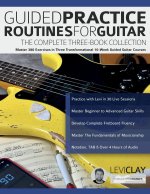
Guided Practice Routines for Guitar - The Complete Three-Book Collection
39.68 € -10 % -

101 Walking Jazz Bass Lines
19.33 € -2 % -

137 Guitar Speed & Coordination Exercises
19.63 € -

60 Easy Piano Pieces
12.34 € -18 % -

Goldtop Believers: The Les Paul Golden Years
59.63 € -25 % -

Burst Believers VI the Final Encore by Vic Dapra and David Plues
59.63 € -25 % -

Electric Guitars - Elektrische Gitarren 2026 - 16-Monatskalender
9.41 € -45 % -
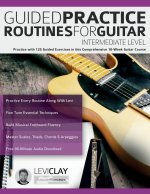
Guided Practice Routines For Guitar - Intermediate Level
19.33 € -2 % -

John Pisano's Jazz Guitar Comping Masterclass
19.33 € -2 %
Osobný odber Bratislava a 12742 dalších
Copyright ©2008-26 najlacnejsie-knihy.sk Všetky práva vyhradenéSúkromieCookies

 24 miliónov titulov
 Vrátenie do mesiaca
 02/210 210 99 (8-15.30h)