Kód: 52525287
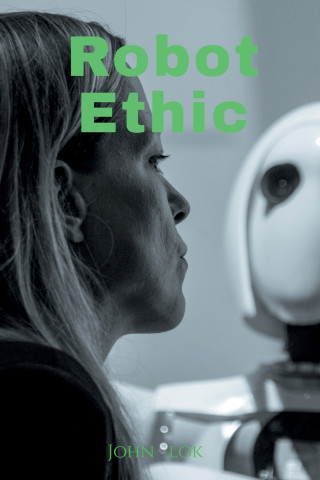
Robot Ethic
Autor John Lok
:In traditional economic models, human behavior is often predicated on rational choice theory, where agents maximize utility based on predictable interactions. However, as my view in the field of machine ethics suggests, the ... celý popis


- Jazyk:
 Angličtina
 - Väzba: Brožovaná
- Počet strán: 122
Nakladateľ: Notion Press Media Pvt. Ltd, 2022
- Viac informácií o knihe

19.23 €
Bežne: 19.65 €
Ušetríte 0.42 €

Skladom u dodávateľa
Odosielame za 9 - 15 dní
Mohlo by sa vám tiež páčiť
-

Moonwalk
14.07 € -

The Score
13.76 € -12 % -

The Deal
12.34 € -21 % -

The Mistake
14.47 € -8 % -

Jujutsu Kaisen, Vol. 30
9.61 € -22 % -

Witch Hat Atelier: Grimoire Edition 1
34.62 € -29 % -

Invincible Compendium Volume 2
46.47 € -23 % -

Berserk Deluxe Volume 1
35.63 € -25 % -

The Goal
14.57 € -7 % -

Berserk Deluxe Volume 2
33.10 € -31 % -

Invincible Compendium Volume 1
57.20 € -9 % -

Witch Hat Atelier Manga Box Set 1
51.33 € -31 % -

Lord of Mysteries, Vol. 3: The Clown, Part III
14.98 € -29 % -

Murdoku
18.12 € -25 % -

Moonwalk: A Memoir
19.94 € -31 % -

Heated Rivalry
12.55 € -7 % -

Jujutsu Kaisen, Vol. 25
9.91 € -20 % -

Legacy
11.94 € -12 % -

Berserk Deluxe Volume 3
55.08 € -

Veil Volume 1
12.04 € -25 % -

White Nights
4.75 € -11 %
Darčekový poukaz: Radosť zaručená
- Darujte poukaz v ľubovoľnej hodnote, a my sa postaráme o zvyšok.
- Poukaz sa vzťahuje na všetky produkty v našej ponuke.
- Elektronický poukaz si vytlačíte z e-mailu a môžete ho ihneď darovať.
- Platnosť poukazu je 12 mesiacov od dátumu vystavenia.
Viac informácií o knihe Robot Ethic
Nákupom získate 46 bodov
 Anotácia knihy
:In traditional economic models, human behavior is often predicated on rational choice theory, where agents maximize utility based on predictable interactions. However, as my view in the field of machine ethics suggests, the presence of robots introduces "algorithmic nudging," where the design of the robot-its interface, its decision-making parameters, and its physical form-shapes human expectations and actions.
When robots perform tasks previously held by humans, individuals often experience a psychological shift known as "de-skilling" or "automation bias," where the human operator becomes overly reliant on the machine's output, thereby diminishing their own critical engagement with the task at hand.Furthermore, the "robot ethic" framework suggests that as robots become more integrated into the workplace, they redefine the social contract between employer and employee.
My view argues that this influence is not merely technical but deeply moral; it forces a renegotiation of responsibility. When a robot makes an error that results in economic loss, the human tendency to attribute blame is complicated by the machine's autonomy. This ambiguity leads to a change in human behavior, characterized by either increased caution or, conversely, a sense of moral detachment from the outcomes of automated processes.
Parametre knihy
19.23 €
- Celý názov: Robot Ethic
- Autor: John Lok
- Jazyk: Angličtina
- Väzba: Brožovaná
- Počet strán: 122
- EAN: 9798886417593
- ID: 52525287
- Nakladateľ: Notion Press Media Pvt. Ltd
- Hmotnosť: 175 g
- Rozmery: 229 × 152 × 7 mm
- Dátum vydania: 31. March 2022
Osobný odber Bratislava a 12542 dalších
Copyright ©2008-26 najlacnejsie-knihy.sk Všetky práva vyhradenéSúkromieCookies

 24 miliónov titulov
 Vrátenie do mesiaca
 02/210 210 99 (8-15.30h)