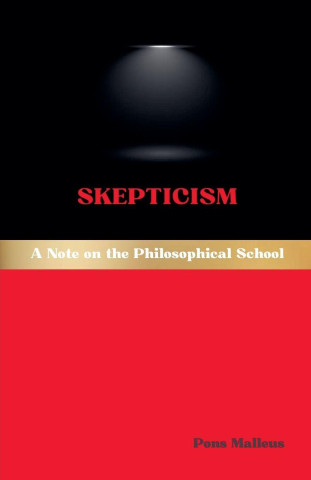
Kód: 50264148
Skepticism
Autor Pons Malleus
Skepticism, as a philosophical school of thought, has endured for over two millennia not by offering certainties, but by persistently questioning them. This book is an exploration of skepticism-not as a rejection of knowledge, but ... celý popis


- Jazyk:
 Angličtina
 - Väzba: Brožovaná
- Počet strán: 94
Nakladateľ: Pons Malleus, 2025
- Viac informácií o knihe

12.14 €
Bežne: 12.41 €
Ušetríte 0.27 €

Skladom u dodávateľa
Odosielame za 9 - 15 dní
Mohlo by sa vám tiež páčiť

Darčekový poukaz: Radosť zaručená
- Darujte poukaz v ľubovoľnej hodnote, a my sa postaráme o zvyšok.
- Poukaz sa vzťahuje na všetky produkty v našej ponuke.
- Elektronický poukaz si vytlačíte z e-mailu a môžete ho ihneď darovať.
- Platnosť poukazu je 12 mesiacov od dátumu vystavenia.
Viac informácií o knihe Skepticism
Nákupom získate 29 bodov
 Anotácia knihy
Skepticism, as a philosophical school of thought, has endured for over two millennia not by offering certainties, but by persistently questioning them. This book is an exploration of skepticism-not as a rejection of knowledge, but as a method of inquiry, a disciplined doubt, and a guide for navigating the boundaries of belief and understanding.
From its roots in ancient Greece to its reverberations in modern epistemology and science, skepticism has played a crucial role in shaping the intellectual history of the West. Figures like Pyrrho, Sextus Empiricus, and later René Descartes and David Hume, each in their own way, questioned the reliability of perception, the trustworthiness of reason, and the foundations of knowledge itself. But skepticism is not monolithic. There are radical skeptics, who doubt the possibility of knowledge altogether, and mitigated or academic skeptics, who temper doubt with practical engagement in the world.
This book does not aim to champion skepticism as the final philosophical stance, nor to dismiss it as an intellectual dead end. Instead, it presents skepticism as a vital tradition that serves an indispensable role in philosophy: it compels us to re-examine our assumptions, to clarify our justifications, and to resist the seduction of easy answers. In a world increasingly saturated with information and opinion, skepticism reminds us that the mere possession of data does not equate to wisdom-and that humility in the face of uncertainty is a virtue, not a weakness.
The structure of this book reflects the breadth and evolution of skeptical thought. It begins with the historical foundations-tracing the origins of skepticism in ancient Greek philosophy, particularly in Pyrrhonism and the Academic Skeptics. It then explores how skepticism was received and reinterpreted by medieval thinkers and transformed during the Enlightenment. Particular attention is given to Descartes' methodological doubt, which paradoxically used skepticism to seek indubitable truths, and Hume's empiricist skepticism, which challenged the very coherence of causality and the self.
The book then shifts to contemporary engagements with skepticism, especially in the realms of epistemology, science, ethics, and even technology. Here, we confront questions that are as pressing today as they were in antiquity: What can we know? How do we know it? And what should we do when certainty is out of reach? These questions are not just abstract puzzles for philosophers; they underlie our political discourse, scientific progress, and personal decisions.
Skepticism is often misunderstood as cynicism or nihilism. But genuine philosophical skepticism is neither despairing nor paralyzing. It is an attitude of critical vigilance. It refuses to accept belief without adequate justification and demands that truth be earned, not assumed. It is uncomfortable, often inconvenient-but profoundly necessary.
As you read through these pages, I invite you not merely to observe the skeptical tradition from a distance, but to engage with it actively. Allow yourself to doubt, to question, and to reconsider what you think you know. Whether you emerge from this book more skeptical or more confident in your beliefs is less important than whether you have learned to examine them more carefully.
Philosophy begins in wonder, but it survives through skepticism. This book is a journey into that skeptical spirit-a spirit that challenges us not to settle for certainty, but to strive, always, for understanding.
Parametre knihy
Zaradenie knihy Knihy po nemecky Geisteswissenschaften, Kunst, Musik Philosophie Antike
12.14 €
- Celý názov: Skepticism
- Autor: Pons Malleus
- Jazyk: Angličtina
- Väzba: Brožovaná
- Počet strán: 94
- EAN: 9798233845642
- ID: 50264148
- Nakladateľ: Pons Malleus
- Hmotnosť: 131 g
- Rozmery: 216 × 140 × 5 mm
- Dátum vydania: 16. December 2025
Obľúbené z iného súdka
-

The Philosophy of Redemption
14.88 € -24 % -

Four Thousand Weeks: Time Management for Mortals
14.07 € -25 % -
Determined: A Science of Life Without Free Will
24.70 € -28 % -
Moral Ambition
17.41 € -15 % -

On Bullshit
11.43 € -13 % -

Master Critical Thinking for Teens
17.71 € -

The Daimon and the Soul of the West
12.04 € -24 % -

Unqualified Reservations: Volume 1
28.55 € -25 % -

Five Dialogues
12.75 € -25 % -
The Logic of Scientific Discovery
38.06 € -
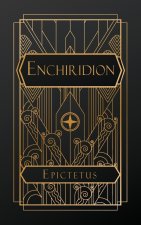
Enchiridion
10.32 € -2 % -
Xenosystems
28.55 € -25 % -

The Einsteinian Revolution
19.33 € -2 % -

Cybernetics for the 21st Century Vol. 1
18.42 € -2 % -
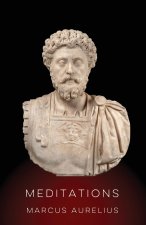
Meditations by Marcus Aurelius
7.89 € -25 % -
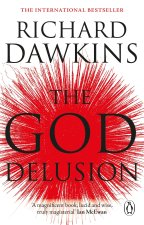
The God Delusion
11.13 € -29 % -

On the Shortness of Life
6.27 € -2 % -

My Big TOE Awakening Discovery Inner Workings
42.01 € -25 % -

Immortal Souls
28.34 € -9 % -

The Right to Sex: Feminism in the Twenty-First Century
14.07 € -25 % -

Hermes Trismegistus
14.77 € -2 % -

The Gateway Experience
18.32 € -7 % -

How to Live
9.31 € -25 % -
Then I Am Myself the World: What Consciousness Is and How to Expand It
21.46 € -27 % -

Jenseits von Gut und Böse
6.98 € -13 % -

Animal Liberation Now
12.95 € -25 % -

Quotations from Chairman Mao Tse-tung
13.96 € -1 % -

Relativity: The Special and the General Theory
11.03 € -30 % -

Marcus Aurelius - Meditations
14.88 € -1 % -

The Language Animal
20.34 € -24 % -
The Practicing Stoic
16.29 € -14 % -

Exit the Cave
14.67 € -17 % -

Against Interpretation
9.71 € -50 % -

The Fallacy Detective
27.53 € -17 % -
Useful Not True
9.31 € -25 % -

Ludwig Wittgenstein
20.34 € -24 % -
Focus on What Matters
10.62 € -25 % -

This Is Vegan Propaganda
12.95 € -25 % -
The Kybalion
9.41 € -1 % -
Socrates' Children Box Set
56.19 € -24 % -
The Thinking Toolbox
27.53 € -17 % -
Moral Ambition
21.25 € -25 % -

Open Socrates
12.24 € -30 % -

The Boy, the Mole, the Fox and the Horse Fifth Anniversary Limited Edition
21.46 € -27 % -

Science and Sanity
37.36 € -2 % -

After
10.42 € -30 % -
Ted Lasso and Philosophy: No Question Is Into Touch
16.90 € -29 % -

Archetypal Psychology
18.42 € -6 % -

On the Genealogy of Morals (Collector's Edition) (Laminated Hardback with Jacket)
37.36 € -2 %
Osobný odber Bratislava a 12593 dalších
Copyright ©2008-26 najlacnejsie-knihy.sk Všetky práva vyhradenéSúkromieCookies

 24 miliónov titulov
 Vrátenie do mesiaca
 02/210 210 99 (8-15.30h)