Kód: 06306194
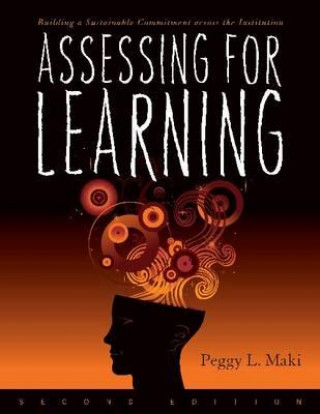
Assessing for Learning
Autor Peggy L. Maki
While there is consensus that institutions need to represent their educational effectiveness through documentation of student learning, the higher education community is divided between those who support national standardized test ... celý popis


- Jazyk:
 Angličtina
 - Väzba: Pevná
- Počet strán: 352
Nakladateľ: Stylus Publishing, 2011
- Viac informácií o knihe

216.33 €
Bežne: 216.35 €
Ušetríte 0.02 €
Dostupnosť:
50 % šanca Máme informáciu, že by titul mohol byť dostupný. Na základe vašej objednávky sa ho pokúsime do 6 týždňov zabezpečiť.
Prehľadáme celý svet
Mohlo by sa vám tiež páčiť
-

Harry Potter a Kameň mudrcov
10.73 € -29 % -
Spanish for the IB MYP 4&5 (Emergent/Phases 1-2): MYP by Concept Second edition
71.09 € -

Ultimate Pet Health Guide
21.77 € -24 % -

Seleukid Empire of Antiochus III, 223-187 BC
19.54 € -22 % -
You, Inc
14.78 € -28 % -

Fabricadabra
23.69 € -18 % -
Klauzury Filmové a televizní fakulty 2012
1.61 € -13 % -
Adult Manga
56.10 € -

The Formula One Year
20.55 € -8 % -

I Hate the Internet
12.04 € -24 % -
Parking Structures
430.64 € -

Lord Jim
18.63 € -9 % -
Eventide
40.20 € -14 % -

Theory of Heat Transfer with Forced Convection Film Flows
154.55 € -7 % -

Bloodhound. Bloodhound Complete Owners Manual. Bloodhound book for care, costs, feeding, grooming, health and training.
13.26 € -6 % -
Cosmic Consciousness
33.41 € -1 % -

Variational Calculus, Optimal Control and Applications
98.23 € -

FRE-TRANCHES DE VIE
11.94 € -

Sand Dunes
169.64 € -10 % -

Dead to the World
22.17 € -
Miscellaneous Poems
37.36 € -1 % -

Jupiter
29.67 € -
Offend, Shock, or Disturb
31.69 € -
Perspectives on Musical Aesthetics
23.79 € -17 % -
Haitian Revolution in the Literary Imagination
75.95 € -

Flaunting
108.26 € -

Growing Up in California
12.04 € -24 % -

Iraq Lawyer Case File: Project Nikandros
71.19 € -14 %
Darčekový poukaz: Radosť zaručená
- Darujte poukaz v ľubovoľnej hodnote, a my sa postaráme o zvyšok.
- Poukaz sa vzťahuje na všetky produkty v našej ponuke.
- Elektronický poukaz si vytlačíte z e-mailu a môžete ho ihneď darovať.
- Platnosť poukazu je 12 mesiacov od dátumu vystavenia.
Informovať o naskladnení knihy
Zadajte do formulára e-mailovú adresu a akonáhle knihu naskladníme, zašleme vám o tom správu. Postrážime všetko za vás.
Viac informácií o knihe Assessing for Learning
Nákupom získate 523 bodov
 Anotácia knihy
While there is consensus that institutions need to represent their educational effectiveness through documentation of student learning, the higher education community is divided between those who support national standardized tests to compare institutions’ educational effectiveness, and those who believe that valid assessment of student achievement is based on assessing the work that students produce along and at the end of their educational journeys. This book espouses the latter philosophy—what Peggy Maki sees as an integrated and authentic approach to providing evidence of student learning based on the work that students produce along the chronology of their learning. She believes that assessment needs to be humanized, as opposed to standardized, to take into account the demographics of institutions, as students do not all start at the same place in their learning. Students also need the tools to assess their own progress. In addition to updating and expanding the contents of her first edition to reflect changes in assessment practices and developments over the last seven years, such as the development of technology-enabled assessment methods and the national need for institutions to demonstrate that they are using results to improve student learning, Maki focuses on ways to deepen program and institution-level assessment within the context of collective inquiry about student learning. Recognizing that assessment is not initially a linear start-up process or even necessarily sequential, and recognizing that institutions develop processes appropriate for their mission and culture, this book does not take a prescriptive or formulaic approach to building this commitment. What it does present is a framework, with examples of processes and strategies, to assist faculty, staff, administrators, and campus leaders to develop a sustainable and shared core institutional process that deepens inquiry into what and how students learn to identify and improve patterns of weakness that inhibit learning. This book is designed to assist colleges and universities build a sustainable commitment to assessing student learning at both the institution and program levels. It provides the tools for collective inquiry among faculty, staff, administrators and students to develop evidence of students’ abilities to integrate, apply and transfer learning, as well as to construct their own meaning. Each chapter also concludes with (1) an Additional Resources section that includes references to meta-sites with further resources, so users can pursue particular issues in greater depth and detail and (2) worksheets, guides, and exercises designed to build collaborative ownership of assessment.The second edition now covers: * Strategies to connect students to an institution’s or a program’s assessment commitment* Description of the components of a comprehensive institutional commitment that engages the institution, educators, and students--all as learners* Expanded coverage of direct and indirect assessment methods, including technology-enabled methods that engage students in the process* New case studies and campus examples covering undergraduate, graduate education, and the co-curriculum* New chapter with case studies that presents a framework for a backward designed problem-based assessment process, anchored in answering open-ended research or study questions that lead to improving pedagogy and educational practices* Integration of developments across professional, scholarly, and accrediting bodies, and disciplinary organizations* Descriptions and illustrations of assessment management systems* Additional examples, exercises, guides and worksheets that align with new content
Parametre knihy
Zaradenie knihy Knihy po anglicky Society & social sciences Education Higher & further education, tertiary education
216.33 €
- Celý názov: Assessing for Learning
- Podnázov: Building a Sustainable Commitment Across the Institution
- Autor: Peggy L. Maki
- Jazyk: Angličtina
- Väzba: Pevná
- Počet strán: 352
- EAN: 9781579224400
- ISBN: 9781579224400
- ID: 06306194
- Nakladateľ: Stylus Publishing
- Hmotnosť: 1018 g
- Rozmery: 279 × 216 × 30 mm
- Dátum vydania: 15. January 2011
Obľúbené z iného súdka
-
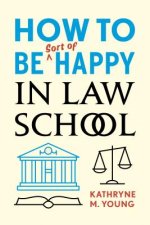
How to Be Sort of Happy in Law School
16.20 € -25 % -
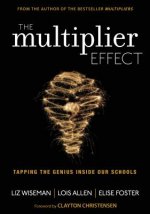
Multiplier Effect
25.51 € -9 % -
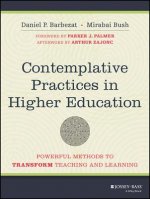
Contemplative Practices in Higher Education
41.01 € -1 % -

What They Teach You at Harvard Business School
11.43 € -34 % -
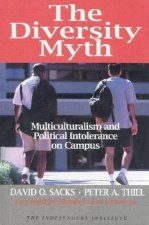
Diversity Myth
14.78 € -25 % -
How to Study for a Mathematics Degree
32.50 € -
Excitable Speech
25.61 € -4 % -
Next Gen PhD
26.63 € -
Excellent Sheep
14.07 € -25 % -
What Great Teachers Do Differently
33.92 € -
Medical School Interviews: a Practical Guide to Help You Get That Place at Medical School - Over 150 Questions Analysed. Includes Mini-multi Interview
34.83 € -

Little Book of Yes
9.81 € -20 % -
Succeed in Your Medical School Interview
21.77 € -24 % -

GRE Prep by Magoosh
22.27 € -
Leadership for Teacher Learning
34.83 € -24 % -
Training Activities That Work Volume 1
37.67 € -
Learning Teaching
33.21 € -
Teaching for Quality Learning at University
52.05 € -
Research Methodology and Scientific Writing
69.88 € -

Attachment in the Classroom
38.07 € -
Practical Guide to Teacher Wellbeing
24.30 € -10 % -
How to Master the BMAT
21.77 € -24 % -
Critical Reading and Writing for Postgraduates
27.84 € -9 % -
Planning Your PhD
13.36 € -
What are Universities For?
13.97 € -24 % -

Art of Problem Solving
42.83 € -10 % -
Trainee Teacher's Handbook
28.96 € -10 % -
Dear Teacher
33.21 € -

That Oxford Girl
10.83 € -25 % -

Hitchcock
43.03 € -
Intercultural Competence in Higher Education
54.07 € -
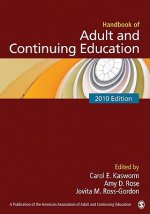
Handbook of Adult and Continuing Education
99.65 € -10 % -
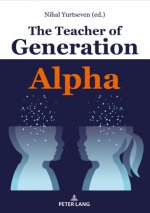
Teacher of Generation Alpha
53.37 € -4 % -
How to be an Academic
18.02 € -

Statutes of Sir Walter Mildmay
45.97 € -
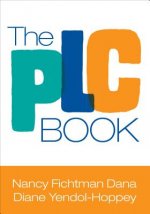
PLC Book
27.84 € -9 % -
75 Ways to Be a Better Teacher Tomorrow
26.73 € -18 % -
Interactive Lecturing - A Handbook for College Faculty
50.94 € -1 % -
GRE Math Tests
25.11 € -25 % -
Problem-Based Learning in Clinical Education
103.10 € -7 % -
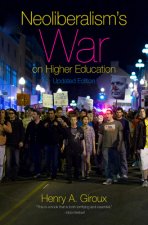
Neoliberalism's War on Higher Education
17.61 € -10 % -

Homeschool
29.97 € -25 % -
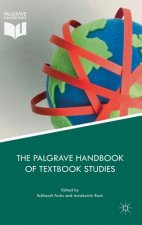
Palgrave Handbook of Textbook Studies
327.54 € -
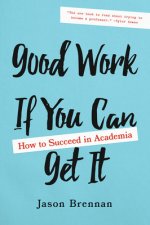
Good Work If You Can Get It
30.07 € -
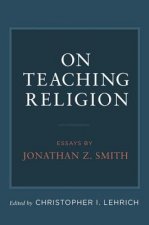
On Teaching Religion
59.95 € -
Moving INTO the Classroom
80.71 € -9 % -
Mind and Method of the Legal Academic
129.43 € -

History of the Royal Academy of Music
48.81 € -

Cornell
25.11 € -25 %
Osobný odber Bratislava a 12792 dalších
Copyright ©2008-26 najlacnejsie-knihy.sk Všetky práva vyhradenéSúkromieCookies

 24 miliónov titulov
 Vrátenie do mesiaca
 02/210 210 99 (8-15.30h)