Kód: 01291696
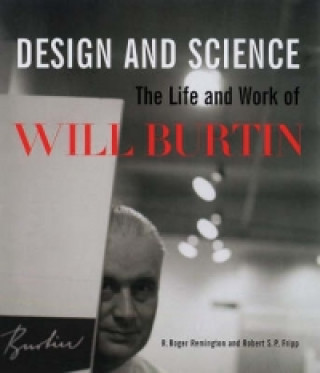
Design and Science
Autor R Roger Remington
It has been said that Will Burtin (1908-1972) was to graphic design what Albert Einstein was to physics. Burtin pioneered important contributions to international typography and visual design. He is best known as the world leader ... celý popis


- Jazyk:
 Angličtina
 - Väzba: Pevná
- Počet strán: 160
Nakladateľ: Lund Humphries Publishers, 2007
- Viac informácií o knihe

84.44 €
Bežne: 93.46 €
Ušetríte 9.02 €
Dostupnosť:
50 % šanca Máme informáciu, že by titul mohol byť dostupný. Na základe vašej objednávky sa ho pokúsime do 6 týždňov zabezpečiť.
Prehľadáme celý svet
Mohlo by sa vám tiež páčiť
-

Moonwalk
14.07 € -

The Score
13.76 € -12 % -

The Deal
12.34 € -21 % -

The Mistake
14.47 € -8 % -

Jujutsu Kaisen, Vol. 30
9.61 € -22 % -

Witch Hat Atelier: Grimoire Edition 1
34.62 € -29 % -

Invincible Compendium Volume 2
42.32 € -30 % -

Berserk Deluxe Volume 1
35.63 € -25 % -

The Goal
14.57 € -7 % -

Berserk Deluxe Volume 2
33.10 € -31 % -

Invincible Compendium Volume 1
57.20 € -9 % -

Witch Hat Atelier Manga Box Set 1
51.33 € -31 % -

Lord of Mysteries, Vol. 3: The Clown, Part III
14.98 € -29 % -

Murdoku
18.12 € -25 % -

Moonwalk: A Memoir
19.94 € -31 % -

Heated Rivalry
12.55 € -7 % -

Jujutsu Kaisen, Vol. 25
9.91 € -20 % -

Legacy
11.94 € -12 % -

Berserk Deluxe Volume 3
55.08 € -

Veil Volume 1
12.04 € -25 % -

White Nights
4.75 € -11 %
Darčekový poukaz: Radosť zaručená
- Darujte poukaz v ľubovoľnej hodnote, a my sa postaráme o zvyšok.
- Poukaz sa vzťahuje na všetky produkty v našej ponuke.
- Elektronický poukaz si vytlačíte z e-mailu a môžete ho ihneď darovať.
- Platnosť poukazu je 12 mesiacov od dátumu vystavenia.
Informovať o naskladnení knihy
Zadajte do formulára e-mailovú adresu a akonáhle knihu naskladníme, zašleme vám o tom správu. Postrážime všetko za vás.
Viac informácií o knihe Design and Science
Nákupom získate 204 bodov
 Anotácia knihy
It has been said that Will Burtin (1908-1972) was to graphic design what Albert Einstein was to physics. Burtin pioneered important contributions to international typography and visual design. He is best known as the world leader in using design to interpret science; as a proponent of 'clean', uncluttered sans-serif typography; and for his large-scale three-dimensional models, which carried the craft and the art of display to new heights. His walk-through models included a human blood cell (1958) and brain functions (1960). His major achievement, his clarity and ingenuity with models and graphics made complex information easy to assimilate. Early success in his native Germany brought Burtin unwelcome attention from Nazi leaders courting his services. He fled with his Jewish wife to the United States. Within months he won the prestigious contract to create the Federal Works Agency exhibit for the 1939 New York World's Fair. The wartime Office of Strategic Services drafted Burtin to create Air Force gunnery manuals, cutting recruits' training from six months to six weeks. In 1945, with the U.S. still at war, Fortune magazine lobbied to extract Burtin from the army in order to appoint him Art Director. By the late 1950s he was designing the walk-through exhibits for which he is renowned. The first monograph on Burtin, "Design and Science" illustrates his leadership in five fields: using graphics to visualize science and information (pre-war); corporate identity (from the mid-1940s); multimedia (which he called 'Integration', from 1948); large-scale scientific visualization in 3-D (from 1958, foreshadowing computer-assisted virtual environments, i.e. CAVE-space); and, with others, promoting Helvetica in North America. Illustrations of Burtin's work that have never before been published make this invaluable book essential reading for design professionals and all those interested in design, visualization, imaging and information technology.
Parametre knihy
Zaradenie knihy Knihy po anglicky The arts Art treatments & subjects Individual artists, art monographs
84.44 €
- Celý názov: Design and Science
- Autor: R Roger Remington
- Jazyk: Angličtina
- Väzba: Pevná
- Počet strán: 160
- EAN: 9780853319689
- ISBN: 0853319685
- ID: 01291696
- Nakladateľ: Lund Humphries Publishers
- Hmotnosť: 948 g
- Rozmery: 248 × 210 × 22 mm
- Dátum vydania: 28. October 2007
Osobný odber Bratislava a 12542 dalších
Copyright ©2008-26 najlacnejsie-knihy.sk Všetky práva vyhradenéSúkromieCookies

 24 miliónov titulov
 Vrátenie do mesiaca
 02/210 210 99 (8-15.30h)