Kód: 01368231
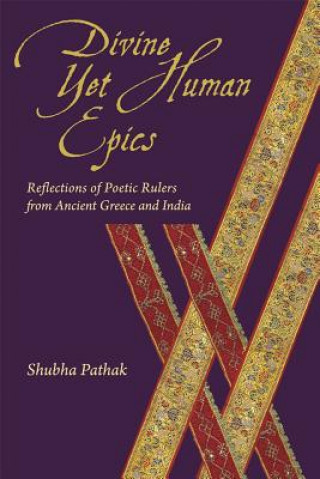
Divine Yet Human Epics
Autor Shubha Pathak
The central character of "Divine Yet Human Epics" is the developing conception of epic itself. Its story unfolds as the ancient Greek idea of epic originates with Pindar and Herodotus on the basis of the "Iliad "and "Odyssey." Whi ... celý popis


- Jazyk:
 Angličtina
 - Väzba: Brožovaná
- Počet strán: 222
Nakladateľ: Harvard University, Center for Hellenic Studies, 2014
- Viac informácií o knihe


Mohlo by sa vám tiež páčiť
-

NIGHTWING V01
18.32 € -24 % -

Super Gut: A Four-Week Plan to Reprogram Your Microbiome, Restore Health, and Lose Weight
16.19 € -25 % -

Feminists Don't Wear Pink (and other lies)
11.84 € -3 % -

PLC Controls with Ladder Diagram (LD), Wire-O
26.72 € -14 % -

Latino Gay Men and HIV
59.03 € -

Hlas poznání
7.48 € -30 % -

Kronologic - Paris 1920 - Liebesleid & Opernpanik (Erweiterung)
12.75 € -12 % -

Brücke in Venedig (Puzzle)
13.76 € -4 % -

Morgenkreisspiele fürs ganze Jahr
11.33 € -9 % -

Sense of Malta
28.85 € -

Glory of Their Times
14.77 € -25 % -

Star Trek I-IV - 4-Movie Collection 4K, 8 UHD Blu-ray
110.97 € -

Erotische Erzählungen (Ein Erotik Klassiker von Klabund)
7.58 € -8 % -

Three Against the Third Republic
47.28 € -

Facilities Planning And Design - An Introduction For Facility Planners, Facility Project Managers And Facility Managers
88.80 € -

Die Traumdeutung
25.71 € -5 % -

astrologische Lehre der Doryphorie
204.54 € -
Fiche de lecture Lelia de George Sand (Analyse litteraire de reference et resume complet)
8.90 € -6 % -

Never Look Away
13.66 € -

Guide to Mysterious Iona and Staffa
17.10 € -24 % -

International Environmental "soft law"
109.45 € -

Die Steuerwirkungen.
43.03 € -

What I Remember
21.76 € -7 % -

Gesichter des Lebens
3.74 € -62 % -

Confucius
50.72 € -5 % -

Vida de un superviviente
24.80 € -

Red Jacket
18.32 € -24 % -

Bassline: A self-Help Workbook
22.67 € -6 % -

Peace through Violence or Non-violence? Edition 2: A Solution to World's Major Conflicts: Re-Exploring Gandhian Philosophy
22.67 € -

Gas-Phase Thermal Reactions
167.88 € -

Policy Metamorphosis in China
137.40 € -5 % -

Pig and the Baldy Cat
6.67 € -24 % -

Negotiating Dissidence
136.59 € -

Peirce's Theory of Signs
143.48 € -

Introduction to Logic Synthesis using Verilog HDL
28.44 € -9 % -

Fragments D'Un Journal Intime V2 (1905)
30.98 € -2 % -

Secret of Life
18.32 € -7 % -

Das Qualit tssicherungs-Handbuch Im Labor
66.11 € -6 % -

My Fight for the Right to Do the Will of God
16.19 € -18 % -

From Its European Antecedents to 1791
21.15 € -2 % -

Punctuated Equilibria and Sino-American Relations
39.28 € -
Improving Data Collection and Measurement of Complex Farms
61.76 €
Darujte túto knihu ešte dnes
- Objednajte knihu a vyberte Zaslať ako darček.
- Obratom obdržíte darovací poukaz na knihu, ktorý môžete ihneď odovzdať obdarovanému.
- Knihu zašleme na adresu obdarovaného, o nič sa nestaráte.
Viac informácií o knihe Divine Yet Human Epics
Nákupom získate 64 bodov
 Anotácia knihy
The central character of "Divine Yet Human Epics" is the developing conception of epic itself. Its story unfolds as the ancient Greek idea of epic originates with Pindar and Herodotus on the basis of the "Iliad "and "Odyssey." While this notion eventually leads their Sanskrit counterparts, the "Ramaya?a "and "Mahabharata, " to be understood selectively in modern times, medieval readers Anandavardhana and Rajasekhara reveal distinctive features of these ancient Indian poems earlier in this exegetical tale. Shubha Pathak's interpretative account concludes with a new way to connect these primary epics to their Greek analogues. Both epic pairs feature poetic kings who together affirm and interrogate their societies' central religious ideals: Greek "kleos" (or heroic glory, which assuages uncertainty about the afterlife) and Indian "dharma "(or righteousness, which counters encroaching immorality). The Greek and Sanskrit epics, by showing both the divine ease and the human difficulty with which "kleos" and "dharma" are achieved, employ similar teaching strategies to address the shared psychological needs of human beings learning to live within the disparate cultures of ancient Greece and India. This cross-cultural comparative study thus provides a more comprehensive perspective on the poems' religiosity than the vantage points of Hellenists or of Indologists alone."
Parametre knihy
Zaradenie knihy Knihy po anglicky Literature & literary studies Literature: history & criticism Literary studies: general
26.52 €
- Celý názov: Divine Yet Human Epics
- Autor: Shubha Pathak
- Jazyk: Angličtina
- Väzba: Brožovaná
- Počet strán: 222
- EAN: 9780674726758
- ISBN: 0674726758
- ID: 01368231
- Nakladateľ: Harvard University, Center for Hellenic Studies
- Hmotnosť: 364 g
- Rozmery: 228 × 154 × 14 mm
- Dátum vydania: 17. November 2014
Obľúbené z iného súdka
-

Dubliners
9 € -29 % -

Karamazov Brothers
9.71 € -32 % -

Essential Writings of Ralph Waldo Emerson
18.32 € -24 % -

Edda
7.89 € -24 % -

Moveable Feast
8.09 € -34 % -

Simple Passion
7.48 € -30 % -

Complete Short Stories of Ambrose Bierce
21.66 € -25 % -

Captain is Out to Lunch
14.77 € -25 % -

Consolation of Philosophy
11.84 € -25 % -

Memoirs of a Dutiful Daughter
13.96 € -24 % -

Macbeth
11.84 € -14 % -

Splintered Light
21.25 € -

Plainwater
14.07 € -25 % -
Portrait of the Artist as a Young Man
7.69 € -25 % -

SEOUL University Korean 1B Workbook (QR), m. 1 Audio
34.12 € -

Analysis of Donna Haraway's A Cyborg Manifesto
8.60 € -6 % -
Athenaze, Book II
120.90 € -

Libertine
130.52 € -9 % -

Hamlet: The Oxford Shakespeare
8.60 € -24 % -

Literature and Evil
11.84 € -25 % -
Mimesis
20.34 € -24 % -

Lyrical Ballads
10.62 € -25 % -

Learn! KOREAN With TinyTAN | 2-Book-Set | With Motipen | Korean Learning for Beginners With BTS Voices | Korean Keyboard Stickers | Flash Cards, m. 1
93.35 € -9 % -

Byron's Poetry and Prose
28.75 € -
Teenage Writings
9.91 € -25 % -

Byron
29.96 € -

Leaves of Grass
17.71 € -
Thrasymachus
44.14 € -

Tempest
8.60 € -25 % -

Klaeber's Beowulf
62.87 € -

Religion After Postmodernism
28.75 € -
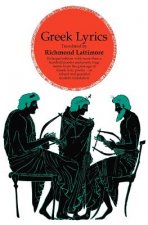
Greek Lyrics
17.81 € -

Japan and the Culture of the Four Seasons
39.58 € -

Poetics of Postmodernism
63.08 € -
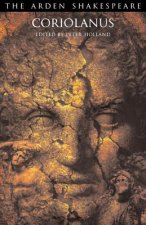
Coriolanus
11.84 € -14 % -
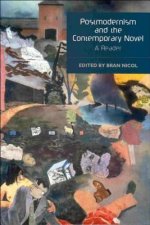
Postmodernism and the Contemporary Novel
48.19 € -

Metafiction
59.03 € -

How to Read a Book
14.67 € -7 % -
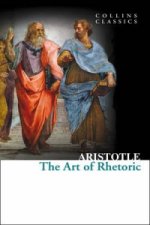
Art of Rhetoric
4.55 € -7 % -

Zofloya
10.12 € -29 % -

Weird and the Eerie
11.33 € -13 % -

The Picture of Dorian Gray
7.18 € -30 % -
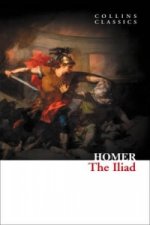
Iliad
4.75 € -30 % -
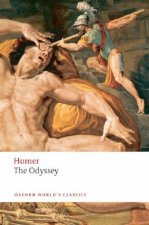
Odyssey
10.12 € -29 % -

Two Treatises of Government
7.89 € -24 % -

Moby-Dick
18.62 € -
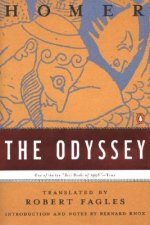
Odyssey (Deckle Edge)
16.09 € -28 % -

Saga of Tanya the Evil, Vol. 3
12.65 € -20 % -

Persuasion
5.05 € -26 %
Osobný odber Bratislava a 12542 dalších
Copyright ©2008-26 najlacnejsie-knihy.sk Všetky práva vyhradenéSúkromieCookies

 24 miliónov titulov
 Vrátenie do mesiaca
 02/210 210 99 (8-15.30h)