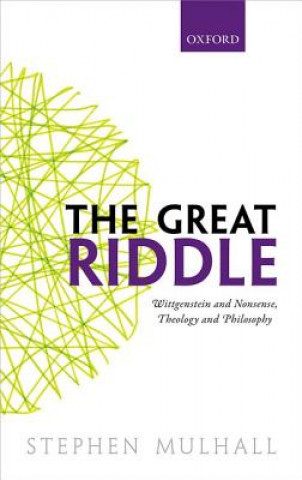
Kód: 09360448
Great Riddle
Autor Stephen Mulhall
Can we talk meaningfully about God? The theological movement known as Grammatical Thomism affirms that religious language is nonsensical, because the reality of God is beyond our capacity for expression. Stephen Mulhall criticall ... celý popis


- Jazyk:
 Angličtina
 - Väzba: Pevná
- Počet strán: 160
Nakladateľ: Oxford University Press, 2015
- Viac informácií o knihe

89.40 €
Dostupnosť:
50 % šanca Máme informáciu, že by titul mohol byť dostupný. Na základe vašej objednávky sa ho pokúsime do 6 týždňov zabezpečiť.
Prehľadáme celý svet
Mohlo by sa vám tiež páčiť
-
Training Horses
12.24 € -

Classical Hits For Children
13.76 € -
Daily Phonics, Grade 4-6+
21.96 € -26 % -

Growth of the British Empire
15.69 € -2 % -
Tourism in Northeastern Argentina
128.80 € -4 % -
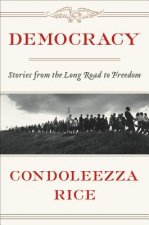
Democracy
34.32 € -17 % -
Geschichte der deutschen Gesellschaft von Pennsylvanien 1764-1917
35.43 € -6 %
Darčekový poukaz: Radosť zaručená
- Darujte poukaz v ľubovoľnej hodnote, a my sa postaráme o zvyšok.
- Poukaz sa vzťahuje na všetky produkty v našej ponuke.
- Elektronický poukaz si vytlačíte z e-mailu a môžete ho ihneď darovať.
- Platnosť poukazu je 12 mesiacov od dátumu vystavenia.
Informovať o naskladnení knihy
Zadajte do formulára e-mailovú adresu a akonáhle knihu naskladníme, zašleme vám o tom správu. Postrážime všetko za vás.
Viac informácií o knihe Great Riddle
Nákupom získate 216 bodov
 Anotácia knihy
Can we talk meaningfully about God? The theological movement known as Grammatical Thomism affirms that religious language is nonsensical, because the reality of God is beyond our capacity for expression. Stephen Mulhall critically evaluates the claims of this movement (as exemplified in the work of Herbert McCabe and David Burrell) to be a legitimate inheritor of Wittgenstein's philosophical methods as well as Aquinas's theological project. The major obstacle to this claim is that Grammatical Thomism makes the nonsensicality of religious language when applied to God a touchstone of Thomist insight, whereas 'nonsense' is standardly taken to be solely a term of criticism in Wittgenstein's work. Mulhall argues that, if Wittgenstein is read in the terms provided by the work of Cora Diamond and Stanley Cavell, then a place can be found in both his early work and his later writings for a more positive role to be assigned to nonsensical utterances-one which depends on exploiting an analogy between religious language and riddles. And once this alignment between Wittgenstein and Aquinas is established, it also allows us to see various ways in which his later work has a perfectionist dimension-in that it overlaps with the concerns of moral perfectionism, and in that it attributes great philosophical significance to what theology and philosophy have traditionally called 'perfections' and 'transcendentals', particularly concepts such as Being, Truth, and Unity or Oneness. This results in a radical reconception of the role of analogous usage in language, and so in the relation between philosophy and theology.
Parametre knihy
Zaradenie knihy Knihy po anglicky Humanities Religion & beliefs Religion: general
89.40 €
- Celý názov: Great Riddle
- Podnázov: Wittgenstein and Nonsense, Theology and Philosophy
- Autor: Stephen Mulhall
- Jazyk: Angličtina
- Väzba: Pevná
- Počet strán: 160
- EAN: 9780198755326
- ISBN: 0198755325
- ID: 09360448
- Nakladateľ: Oxford University Press
- Hmotnosť: 288 g
- Rozmery: 227 × 164 × 22 mm
- Dátum vydania: 17. December 2015
Obľúbené z iného súdka
-
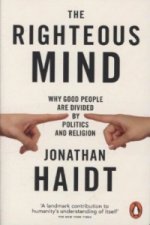
The Righteous Mind
16.09 € -24 % -

Secular Age
18.93 € -25 % -
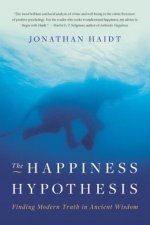
The Happiness Hypothesis: Finding Modern Truth in Ancient Wisdom
14.77 € -25 % -
History of Christianity
20.24 € -24 % -
Living Goddesses
38.47 € -
The Psychology of Selling
17.61 € -10 % -
Pensees
10.01 € -24 % -
Courage of Hopelessness
13.26 € -24 % -
Down the Witches' Way
10.32 € -2 % -
Handbook Of Psychic Cold Reading
10.82 € -
Waking Up
12.34 € -17 % -
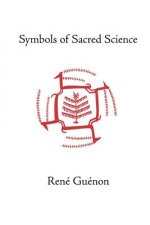
Symbols of Sacred Science
24.70 € -2 % -
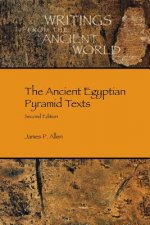
Ancient Egyptian Pyramid Texts
48.29 € -6 % -
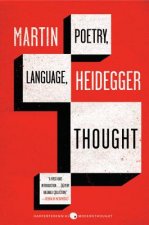
Poetry, Language, Thought
14.07 € -25 % -
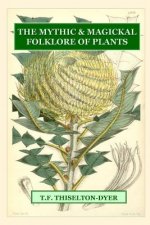
Mythic & Magickal Folklore Of Plants
15.58 € -
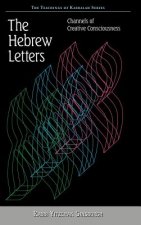
Hebrew Letters
38.06 € -
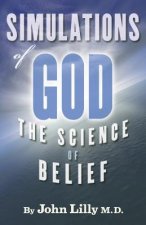
Simulations of God
13.36 € -25 % -

Padre Candido Amantini, CP
9.51 € -
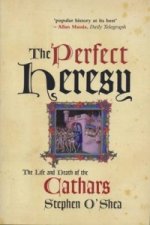
Perfect Heresy
13.96 € -24 % -
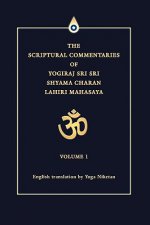
Scriptural Commentaries of Yogiraj Sri Sri Shyama Charan Lahiri Mahasaya
16.80 € -25 % -
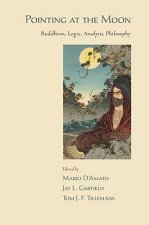
Pointing at the Moon
39.58 € -
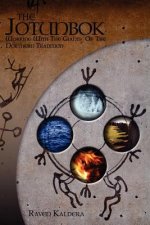
Jotunbok
29.56 € -1 % -
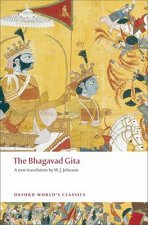
Bhagavad Gita
7.18 € -25 % -
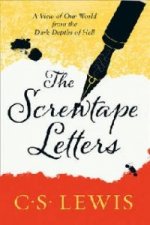
Screwtape Letters
12.24 € -22 % -
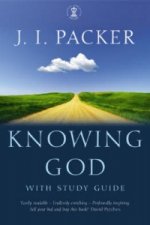
Knowing God
11.84 € -25 % -
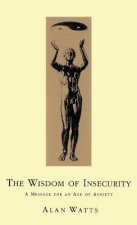
Wisdom Of Insecurity
11.33 € -31 % -
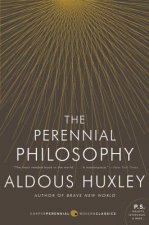
The Perennial Philosophy
14.07 € -25 % -
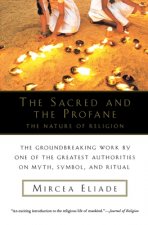
Sacred and the Profane
13.46 € -24 % -
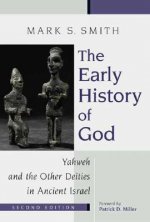
Early History of God
27.94 € -24 % -
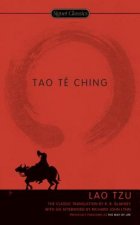
Tao Te Ching
6.07 € -30 % -
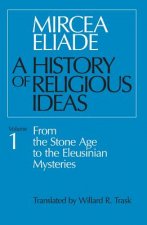
History of Religious Ideas, Volume 1
23.79 € -17 % -
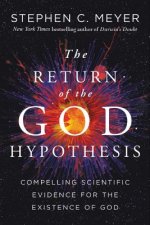
Return of the God Hypothesis
24.09 € -24 % -
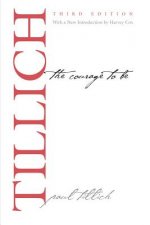
The Courage to Be
14.57 € -22 % -
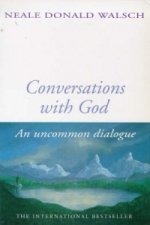
Conversations With God
11.84 € -25 % -
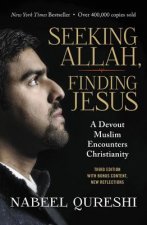
Seeking Allah, Finding Jesus
19.23 € -24 % -
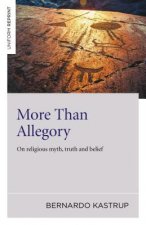
More Than Allegory - On religious myth, truth and belief
15.79 € -15 % -
Story of Christianity Volume 1
20.65 € -25 % -
Dialogues Concerning Natural Religion, and The Natural History of Religion
7.89 € -24 % -
Hekate Tarot
9.41 € -2 % -
History of God
13.96 € -24 % -
Evolution of God
14.07 € -25 % -
Alchemical Keys To Masonic Ritual
14.88 € -1 % -
Comfortable with Uncertainty
13.36 € -25 % -
Slave Species of the Gods
18.32 € -24 % -
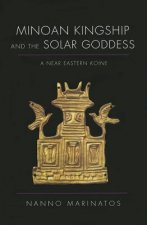
Minoan Kingship and the Solar Goddess
31.38 € -5 % -

God And The Afterlife
12.04 € -25 % -
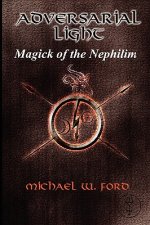
ADVERSARIAL LIGHT - Magick of the Nephilim
22.88 € -1 % -
Christianity: A Very Short Introduction
10.01 € -24 % -
Art of Worldly Wisdom
8.50 € -2 %
Osobný odber Bratislava a 12882 dalších
Copyright ©2008-26 najlacnejsie-knihy.sk Všetky práva vyhradenéSúkromieCookies

 24 miliónov titulov
 Vrátenie do mesiaca
 02/210 210 99 (8-15.30h)