Kód: 04476404
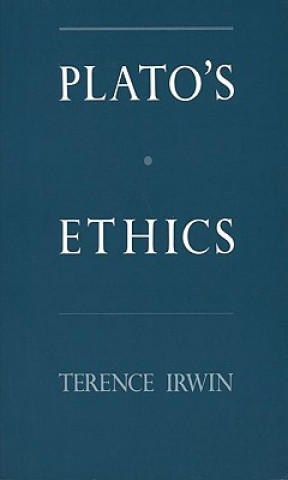
Plato's Ethics
Autor Terence H. Irwin
This book expounds and examines Plato's answer to the normative question, 'how ought we to live?' It discusses Plato's conception of the virtues; his views about the connection between these and happiness; and the account of reaso ... celý popis


- Jazyk:
 Angličtina
 - Väzba: Brožovaná
- Počet strán: 456
Nakladateľ: Oxford University Press Inc, 1995
- Viac informácií o knihe


Mohlo by sa vám tiež páčiť
-

Treasure Island
7.89 € -29 % -

The Shadow of What Was Lost
12.95 € -13 % -

Hana-Kimi 4-5-6
13.87 € -22 % -

Miles: The Autobiography
14.98 € -29 % -

Brock Biology of Microorganisms, Global Edition
85.37 € -9 % -
Drawing and Painting Beautiful Faces
17.31 € -31 % -

Schneeriese
7.38 € -8 % -

Bugatti step
4.55 € -7 % -
Opuscula Cypriani
55.39 € -2 % -

Guitar Play-Along
19.64 € -21 % -

Mulan
7.08 € -17 % -
Nový pomocník z matematiky pre 5. ročník ZŠ - 2. zošit
6.57 € -25 % -

History of Rasselas, Prince of Abissinia
9.92 € -25 % -

Sacred Scripts
18.22 € -8 % -

Dětské mandaly
6.07 € -25 % -

GREEN BELT SUDOKU VARIANTS
9.71 € -26 % -

S Hitlerem v Polsku
13.26 € -17 % -
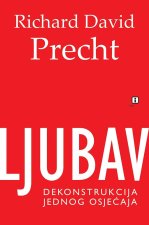
Ljubav
16.60 € -15 % -

Bluegrass: A True Story of Murder in Kentucky
13.46 € -24 % -

Spawn Neo Noir
12.75 € -29 % -

Le jeu des tricheurs
22.88 € -

Modern Baking
36.25 € -16 % -
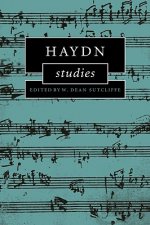
Haydn Studies
61.06 € -

Heart Replacement
103.10 € -7 % -

International Commercial Arbitration
133.99 € -7 % -

R Markdown Cookbook
116.67 € -

Colonialism and the Jews in German History
127.91 € -

Penny Dreadful
14.17 € -

PUEBLOS MÁS BONITOS DE ESPAÑA 2018
37.57 € -

Fall and Rise of China
28.86 € -

Alexander Mosaic
41.82 € -15 % -

Structured Electronic Design
144.22 € -7 % -

Istanbul Sokaklari
15.18 € -4 % -

Seksualna Veza
14.98 € -6 % -

Exile
20.35 € -24 % -

Dark Interlude
20.55 € -14 % -

Gustong-gusto ko Magsipilyo I Love to Brush My Teeth
15.79 € -1 % -

EL INDÓMITO ESCOCÈS
12.45 € -17 % -

Relatos De La Gasolinera
17.51 € -2 % -

Games2Careers
15.59 € -

Paleo-Hebrew 101 Lesson Manual
6.37 € -7 % -
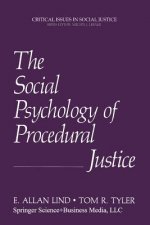
Social Psychology of Procedural Justice
206 € -7 % -

Psychology Of Shakespeare (1859)
28.35 € -1 % -

Cryptogram
15.79 € -9 % -

Achtsame Spiele
26.83 € -11 % -

Das Zimmermädchen Lynn, 1 DVD
22.07 € -

Learn to Sing and Play Guitar
27.74 € -8 % -

Pushing Ink: The Fine Art of Tattooing
15.18 € -26 % -

London Ontario in Photos: Saving Our History One Photo at a Time
6.57 € -7 % -

Quantum Mechanics in the Geometry of Space-Time
51.75 € -7 % -

Parallel Trail
20.85 € -
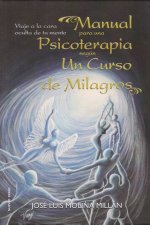
MANUAL PARA UNA PSICOTERAPIA SEGUN UN CURSO DE MIL
22.58 € -

Red Weather
20.35 € -5 % -

Batman Pack C of 3
25.11 € -4 % -

Worlds of Carol Shields
41.41 € -

Stumme Stimmen
9.11 € -10 % -

Cyber Security Awareness for Corporate Directors and Board Members
42.43 € -
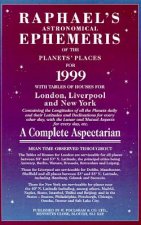
Raphael's Astronomical Ephemeris
5.56 € -25 % -

Storytyme
13.76 € -

Economic Evolution and Equilibrium
55.90 € -

Art Museums of Latin America
63.09 € -

London - 500 Teile (Puzzle)
28.75 € -10 % -

On Machiavelli
12.45 € -21 %
Darujte túto knihu ešte dnes
- Objednajte knihu a vyberte Zaslať ako darček.
- Obratom obdržíte darovací poukaz na knihu, ktorý môžete ihneď odovzdať obdarovanému.
- Knihu zašleme na adresu obdarovaného, o nič sa nestaráte.
Viac informácií o knihe Plato's Ethics
Nákupom získate 162 bodov
 Anotácia knihy
This book expounds and examines Plato's answer to the normative question, 'how ought we to live?' It discusses Plato's conception of the virtues; his views about the connection between these and happiness; and the account of reason, desire, and motivation that underlies his arguments about the virtues. Irwin traces the development of Plato's moral philosophy, from the Socratic dialogues to its fullest exposition in the Republic. He discusses Plato's reasons for abandoning or modifying some aspects of Socratic ethics, and for believing that he preserves Socrates' essential insights. A brief and selective discussion of the Statesmen, Philebus, and Laws is included. Plato's answer to the epistemological question 'how can we know how we ought to live?' is also discussed. His views on knowledge, belief, and inquiry, and his theory of forms, are examined in so far as they are relevant to his ethical views. his book expands the discussion in Plato's Moral Theory (OUP, 1977) to provide an introduction to all important aspects of Plato's ethical thought. A fuller account of the main questions is given, and recent controversies in the interpretation of Plato's ethics are discussed. The book does not presuppose knowledge of Greek, or any extensive knowledge of Plato.
Parametre knihy
Zaradenie knihy Knihy po anglicky Humanities Philosophy History of Western philosophy
66.94 €
- Celý názov: Plato's Ethics
- Autor: Terence H. Irwin
- Jazyk: Angličtina
- Väzba: Brožovaná
- Počet strán: 456
- EAN: 9780195086454
- ISBN: 0195086457
- ID: 04476404
- Nakladateľ: Oxford University Press Inc
- Hmotnosť: 702 g
- Rozmery: 229 × 153 × 29 mm
- Dátum vydania: 02. March 1995
Obľúbené z iného súdka
-

Meditations
8.09 € -31 % -

Why I Am so Clever
3.43 € -6 % -
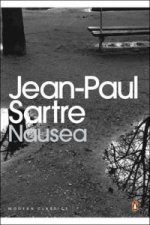
Nausea
11.64 € -26 % -

The Myth of Sisyphus
10.02 € -11 % -
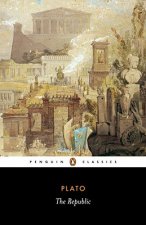
The Republic
10.12 € -24 % -

Beyond Good and Evil
10.62 € -20 % -

Thus Spoke Zarathustra: A Book for Everyone and No One
10.93 € -26 % -

Either/Or
15.39 € -28 % -

Aphorisms on Love and Hate
4.04 € -17 % -

Existentialism Is a Humanism
9.31 € -24 % -
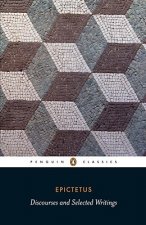
Discourses and Selected Writings
11.33 € -23 % -
Anti-Oedipus
16.90 € -24 % -

Fear and Trembling
11.23 € -28 % -
City of God
14.07 € -25 % -
Discourses, Fragments, Handbook
14.17 € -10 % -

On the Genealogy of Morals
9.71 € -34 % -

Spell of the Sensuous
13.76 € -26 % -

Think
12.95 € -27 % -
Critique of Pure Reason
16.20 € -25 % -
Gay Science
12.04 € -20 % -
Last Days of Socrates
10.62 € -25 % -
Nicomachean Ethics
6.17 € -30 % -
Fragments
12.04 € -25 % -

Nicomachean Ethics
12.14 € -24 % -

On the Heights of Despair
31.69 € -
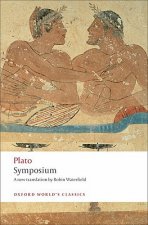
Symposium
9.11 € -5 % -

History of Western Philosophy
21.77 € -24 % -
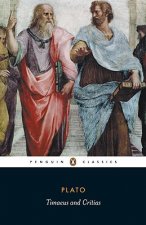
Timaeus and Critias
11.13 € -21 % -

Works of Love
11.84 € -25 % -

Lily of the Field and the Bird of the Air
9.92 € -25 % -
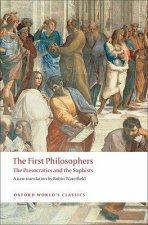
First Philosophers
11.33 € -24 % -

The Romantic Manifesto
10.42 € -9 % -

Dostoevsky, Kierkegaard, Nietzsche and Kafka
14.68 € -18 % -

Existentialism from Dostoevsky to Sartre
14.88 € -24 % -
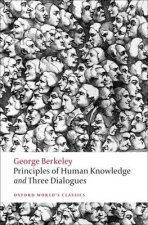
Principles of Human Knowledge and Three Dialogues
10.62 € -25 % -

Logical Structure of the World and Pseudoproblems in Philosophy
28.55 € -25 % -

Human, All Too Human
12.55 € -20 % -

Anselm of Canterbury: The Major Works
11.33 € -24 % -

Guide to the Good Life
18.63 € -20 % -
Being and Event
35.64 € -
Man and His Becoming According to the Vedanta
19.33 € -2 % -

Outlines of the Philosophy of Right
14.78 € -25 % -

Accursed Share, Volumes II & III
26.53 € -25 % -
Plato Opera Volume I
56.30 € -

Opening of Hegel's Logic
36.25 € -

Logics of Worlds
33.01 € -10 % -

Rhythmanalysis
27.54 € -9 % -
Plotinus
52.76 € -
Pensees and Other Writings
9.31 € -24 %
Osobný odber Bratislava a 12840 dalších
Copyright ©2008-26 najlacnejsie-knihy.sk Všetky práva vyhradenéSúkromieCookies

 24 miliónov titulov
 Vrátenie do mesiaca
 02/210 210 99 (8-15.30h)