
Kód: 51453879
Terribly Close
Autor Erica Lehrer, Roma Sendyka, Wojciech Wilczyk, Magdalena Zych
Art responding to the Holocaust - an even often deemed unrepresentable - has sparked much discussion regarding its themes, strategies, challenges. As knowledge about World War II's genocide has expanded beyond the history of ghett ... celý popis


- Jazyk:
 Angličtina
 - Väzba: Pevná
- Počet strán: 390
Nakladateľ: De Gruyter, 2026
- Viac informácií o knihe


Mohlo by sa vám tiež páčiť
-

Once More, My Darling Rogue
7.89 € -25 % -
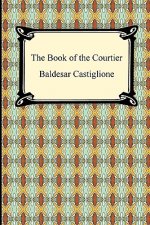
Book of the Courtier
13.06 € -2 % -
Raison et Foi. Archéologie d'une crise (d'Albert le Grand à Jean-Paul II)
35.03 €
Darčekový poukaz: Radosť zaručená
- Darujte poukaz v ľubovoľnej hodnote, a my sa postaráme o zvyšok.
- Poukaz sa vzťahuje na všetky produkty v našej ponuke.
- Elektronický poukaz si vytlačíte z e-mailu a môžete ho ihneď darovať.
- Platnosť poukazu je 12 mesiacov od dátumu vystavenia.
Informovať o naskladnení knihy
Zadajte do formulára e-mailovú adresu a akonáhle knihu naskladníme, zašleme vám o tom správu. Postrážime všetko za vás.
Viac informácií o knihe Terribly Close
Nákupom získate 132 bodov
 Anotácia knihy
Art responding to the Holocaust - an even often deemed unrepresentable - has sparked much discussion regarding its themes, strategies, challenges. As knowledge about World War II's genocide has expanded beyond the history of ghettos and camps, Eastern Europe's provinces have come into view. In this broader frame, vernacular, non-professional, so-called "folk" artists in Poland become visible, working outside of elite urban culture. What did such artists see? What did they experience? What remained in their memories in the postwar years? How were these represented? And indeed, whose memories were they? This book concerns the responses of Polish non-professional artists to the violence that they witnessed, or inherited as "post-witnesses" if they were born after the war and gained knowledge second-hand. It shows how memory was controlled, silenced, or amplified by institutions such as the state, the church, or museums both at home and abroad, particularly in Germany, and how amateur art connected Poles, Germans, and Jews, in forms of attempted reconciliation even as it served as a medium for the transfer of guilt.
Explored here are questions about how this type of art may have functioned to sustain the memory of the Holocaust, as well as to expedite its forgetting.
Parametre knihy
54.68 €
- Celý názov: Terribly Close
- Podnázov: Polish Vernacular Artists Face the Holocaust
- Autor: Erica Lehrer, Roma Sendyka, Wojciech Wilczyk, Magdalena Zych
- Jazyk: Angličtina
- Väzba: Pevná
- Počet strán: 390
- EAN: 9783112249451
- ID: 51453879
- Nakladateľ: De Gruyter
- Hmotnosť: 500 g
- Rozmery: 210 × 160 mm
- Dátum vydania: 13. June 2026
Obľúbené z iného súdka
-

Moonwalk
14.17 € -

The Score
13.66 € -13 % -

The Deal
12.65 € -23 % -

The Mistake
14.57 € -12 % -
Jujutsu Kaisen, Vol. 30
9.92 € -20 % -
Witch Hat Atelier: Grimoire Edition 1
34.63 € -29 % -
Invincible Compendium Volume 1
45.87 € -24 % -
Invincible Compendium Volume 2
48.30 € -22 % -
Berserk Deluxe Volume 1
35.54 € -26 % -

The Goal
14.68 € -11 % -
Berserk Deluxe Volume 2
33.31 € -30 % -
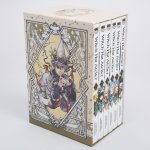
Witch Hat Atelier Manga Box Set 1
56.20 € -25 % -

Heated Rivalry
12.65 € -7 % -
Jujutsu Kaisen, Vol. 25
9.92 € -20 % -

Jujutsu Kaisen, Vol. 26
9.92 € -20 % -
Lord of Mysteries, Vol. 3: The Clown, Part III
14.98 € -29 % -
Invincible Compendium Volume 3
45.87 € -24 % -
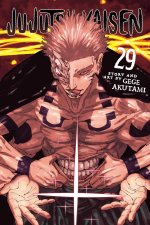
Jujutsu Kaisen, Vol. 29
9.92 € -20 % -

Moonwalk: A Memoir
21.77 € -24 % -
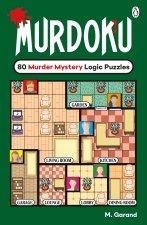
Murdoku
17.01 € -25 % -
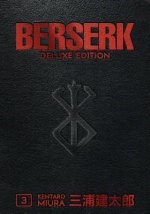
Berserk Deluxe Volume 3
55.19 € -
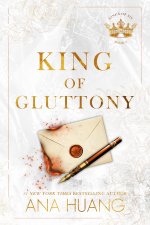
King of Gluttony
10.22 € -33 % -
White Nights
4.75 € -11 % -

Veil Volume 1
12.04 € -25 % -

Invincible Volume 1
10.02 € -24 % -

The Long Game
13.16 € -3 % -

The Deal
14.07 € -25 % -

Starside (Deluxe Limited Edition)
24.10 € -27 % -
JoJo's Bizarre Adventure: Part 7--Steel Ball Run, Vol. 7
18.32 € -24 % -

Legacy
11.94 € -24 % -

Project Hail Mary
10.52 € -14 % -

Jojo's Bizarre Adventure: Part 7--Steel Ball Run, Vol. 1
18.32 € -24 % -
Jojo's Bizarre Adventure: Part 7--Steel Ball Run, Vol. 2
18.32 € -24 % -
Berserk Deluxe Volume 5
54.89 € -
Berserk Deluxe Volume 4
43.64 € -17 % -
Murdoku
13.76 € -29 % -

Dancing The Dream
26.73 € -19 % -

Jujutsu Kaisen, Vol. 28
9.92 € -20 % -

Boys Omnibus Vol. 1 TPB
23.69 € -30 % -

The Summer Hikaru Died, Vol. 7
11.94 € -21 % -
Chainsaw Man, Vol. 20
9.92 € -20 % -

Project Hail Mary
15.89 € -26 % -

Veil Volume 2
16.09 € -24 % -

The Ballad of Falling Dragons
14.47 € -12 % -

Jujutsu Kaisen, Vol. 1
12.65 € -

The Score
14.07 € -25 % -

Lord of Mysteries, Vol. 1: The Clown, Part I
14.88 € -24 % -

Yesteryear
15.89 € -25 % -

Invincible Volume 2 (New Edition)
11.33 € -25 %
Osobný odber Bratislava a 12792 dalších
Copyright ©2008-26 najlacnejsie-knihy.sk Všetky práva vyhradenéSúkromieCookies

 24 miliónov titulov
 Vrátenie do mesiaca
 02/210 210 99 (8-15.30h)