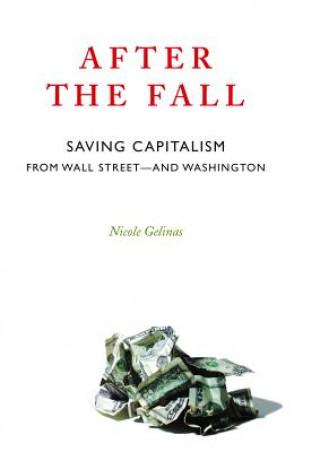
Kód: 09242492
After the Fall
Autor Nicole Gelinas
Robust financial markets support capitalism, they don't imperil it. But in 2008, Washington policymakers were compelled to replace private risk-takers in the financial system with government capital so that money and credit flows ... celý popis


- Jazyk:
 Angličtina
 - Väzba: Pevná
- Počet strán: 250
Nakladateľ: Encounter Books,USA, 2010
- Viac informácií o knihe

21.96 €
Bežne: 24.29 €
Ušetríte 2.32 €
Dostupnosť:
50 % šanca Máme informáciu, že by titul mohol byť dostupný. Na základe vašej objednávky sa ho pokúsime do 6 týždňov zabezpečiť.
Prehľadáme celý svet
Mohlo by sa vám tiež páčiť
-

Živí mrtví Zrozeni k utrpení
9.20 € -25 % -

Angel Killer
9.31 € -26 % -

Das Evangelium der Aale
21.56 € -10 % -

Book with answers
41.51 € -

Golf Score Logbook
12.14 € -2 % -

Einfluss der Boden-Vegetation-Atmosphären Wechselwirkungen auf die dekadische Vorhersagbarkeit des Westafrikanischen Monsuns
49.71 € -

Stammzellen
12.65 € -10 % -

Mi Encuentro Con La Princesa Diana
12.75 € -

LITURGIKON
39.38 € -

Unorthodox
23.69 € -

Infant Baptism in Historical Perspective
61.66 € -25 % -

Heimkommen
6.77 € -

The Journey Back to the Father's House
12.75 € -24 % -

Historical Analysis of The Creek Indian Hillabee Towns
22.37 € -25 % -

Beziehungsmuster Zwischen Jugendamtern Und Freien Tragern
48.39 € -7 % -

Thousand Veils
22.17 € -

Lincoln
25.10 € -

Believers' BootCamp
10.82 € -

L'échographie trans-abdominale chez les hommes présentant des troubles de l'érection.
35.74 € -14 % -

Islam - History, Religion, and Politics 3e
31.18 € -

White Fox
17.41 € -

Half-n-Half Fill-In Puzzles, Volume 13: 300 Puzzles, 150 Number and 150 Word
11.53 € -7 % -

Let's Talk
21.15 € -2 % -

How To Do Your Dissertation in Geography and Related Disciplines
59.03 € -

Tribute to Spock: A Reference Guide
22.17 € -

History of the Rebellion and Civil Wars in England, Begun in the Year 1641
38.27 € -1 % -

FDP de la mode, l'intégrale
28.75 € -

Cape Paterson
18.32 € -7 %
Darujte túto knihu ešte dnes
- Objednajte knihu a vyberte Zaslať ako darček.
- Obratom obdržíte darovací poukaz na knihu, ktorý môžete ihneď odovzdať obdarovanému.
- Knihu zašleme na adresu obdarovaného, o nič sa nestaráte.
Informovať o naskladnení knihy
Zadajte do formulára e-mailovú adresu a akonáhle knihu naskladníme, zašleme vám o tom správu. Postrážime všetko za vás.
Viac informácií o knihe After the Fall
Nákupom získate 53 bodov
 Anotácia knihy
Robust financial markets support capitalism, they don't imperil it. But in 2008, Washington policymakers were compelled to replace private risk-takers in the financial system with government capital so that money and credit flows wouldn't stop, precipitating a depression. Washington's actions weren't the start of government distortions in the financial industry, Nicole Gelinas writes, but the natural result of 25 years' worth of such distortions. In the early eighties, modern finance began to escape reasonable regulations, including the most important regulation of all, that of the marketplace. The government gradually adopted a "too big to fail" policy for the largest or most complex financial companies, saving lenders to failing firms from losses. As a result, these companies became impervious to the vital market discipline that the threat of loss provides. Adding to the problem, Wall Street created financial instruments that escaped other reasonable limits, including gentle constraints on speculative borrowing and requirements for the disclosure of important facts. The financial industry eventually posed an untenable risk to the economy -- a risk that culminated in the trillions of dollars' worth of government bailouts and guarantees that Washington scrambled starting in late 2008. Even as banks and markets seem to heal, lenders to financial companies continue to understand that the government would protect them in the future if necessary. This implicit guarantee harms economic growth, because it forces good companies to compete against bad. History and recent events make clear what Washington must do. First, policymakers must reintroduce market discipline to the financial world. They can do so by re-creating a credible, consistent way in which big financial companies can fail, with lenders taking their warranted losses. Second, policymakers can reapply prudent financial regulations so that markets, and the economy, can better withstand inevitable excesses of optimism and pessimism. Sensible regulations have worked well in the past and can work well again. As Gelinas explains in this richly detailed book, adequate regulation of financial firms and markets is a prerequisite for free-market capitalism -- not a barrier to it.
Parametre knihy
Zaradenie knihy Knihy po anglicky Economics, finance, business & management Economics Economic & financial crises & disasters
21.96 €
- Celý názov: After the Fall
- Autor: Nicole Gelinas
- Jazyk: Angličtina
- Väzba: Pevná
- Počet strán: 250
- EAN: 9781594032615
- ISBN: 1594032610
- ID: 09242492
- Nakladateľ: Encounter Books,USA
- Hmotnosť: 510 g
- Rozmery: 237 × 162 × 19 mm
- Dátum vydania: 07. January 2010
Obľúbené z iného súdka
-

Big Short
10.93 € -10 % -

This Time Is Different
17.51 € -25 % -

Too Big to Fail
17.81 € -29 % -

Animal Spirits
15.38 € -22 % -
Return of Depression Economics and the Crisis of 2008
13.86 € -21 % -
Money and Government
14.98 € -29 % -
Billion Dollar Lessons
12.45 € -26 % -

Value of Everything
11.03 € -25 % -

Panic!
13.96 € -24 % -
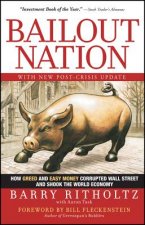
Bailout Nation with New Post-Crisis Update - How Greed and Easy Money Corrupted Wall Street and Shook the World Economy
16.19 € -24 % -
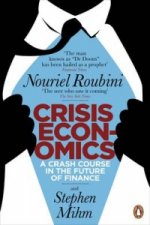
Crisis Economics
11.84 € -25 % -

House of Debt - How They (and You) Caused the Great Recession, and How We Can Prevent It from Happening Again
14.67 € -18 % -

Boomerang
8.60 € -30 % -
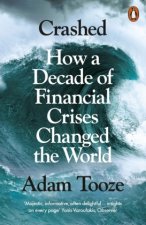
Crashed
18.72 € -27 % -

Big Short
23.08 € -25 % -
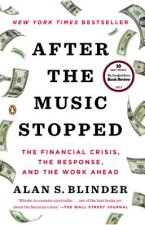
After the Music Stopped
25.20 € -18 % -

History of the United States in Five Crashes
14.07 € -25 % -

Capitalism's Crisis Deepens
14.77 € -25 % -

China's Great Wall of Debt
12.65 € -20 % -

Freefall
12.95 € -27 % -

Boomerang
13.66 € -26 % -

Boomerang
20.34 € -21 % -

13 Bankers
13.76 € -26 % -
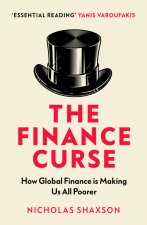
Finance Curse
13.66 € -26 % -

Courage to Act
18.12 € -22 % -
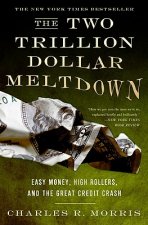
Two Trillion Dollar Meltdown
16.19 € -17 % -

House of Cards
19.23 € -24 % -
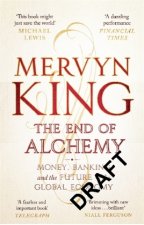
End of Alchemy
14.98 € -29 % -

End This Depression Now!
12.04 € -24 % -

Financial Turmoil in Europe and the United States
26.72 € -18 % -

Whoops!
11.84 € -25 % -

Stock Market Crashes: Predictable And Unpredictable And What To Do About Them
36.24 € -

Crash of 2008 and What it Means
17.71 € -17 % -

Freefall
22.77 € -10 % -

Don't Blame the Shorts: Why Short Sellers Are Always Blamed for Market Crashes and How History Is Repeating Itself
32.80 € -17 % -

Sellout
20.65 € -25 % -

In the Long Run We Are All Dead
18.52 € -26 % -

Euro Crisis and Its Aftermath
39.58 € -

Economic Crisis and Corporate Restructuring in Korea
46.17 € -
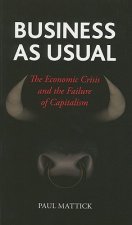
Business As Usual
19.23 € -10 % -

Good Room
26.93 € -

Supercrash
16.09 € -24 % -

Good Italy, Bad Italy
22.88 € -4 % -

Diary of the Euro Crisis in Cyprus
51.13 € -
How Ireland Really Went Bust
29.25 € -

Masters of Nothing
17.61 € -10 % -

After the Crisis
20.34 € -4 % -

Chronicles
12.85 € -25 % -

Great Financial Crisis
14.98 €
Osobný odber Bratislava a 12542 dalších
Copyright ©2008-26 najlacnejsie-knihy.sk Všetky práva vyhradenéSúkromieCookies

 24 miliónov titulov
 Vrátenie do mesiaca
 02/210 210 99 (8-15.30h)