Kód: 04644397
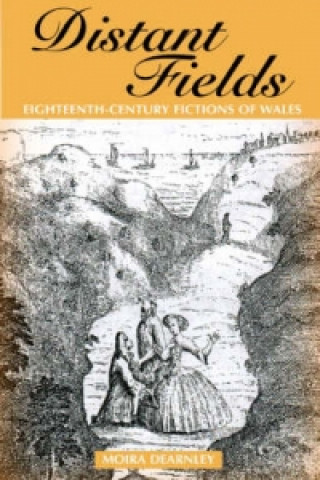
Distant Fields
Autor Moira Dearnley
Eighteenth-century English fictions are full of stereotypical images of Wales and the Welsh, from the popular lampooning of the Welsh as dishonest, credulous and superstitious to the idealisation of Wales as the home of the noble ... celý popis


- Jazyk:
 Angličtina
 - Väzba: Pevná
- Počet strán: 304
Nakladateľ: University of Wales Press, 2001
- Viac informácií o knihe

20.25 €
Bežne: 23.75 €
Ušetríte 3.51 €
Dostupnosť:
50 % šanca Máme informáciu, že by titul mohol byť dostupný. Na základe vašej objednávky sa ho pokúsime do 6 týždňov zabezpečiť.
Prehľadáme celý svet
Mohlo by sa vám tiež páčiť
-

Bloom
11.13 € -15 % -

Gothic Rock Ballads
16.60 € -
Many Faces of Realism
19.64 € -24 % -

Le mani della madre. Desiderio, fantasmi ed eredita del materno.
14.07 € -

Doctor Who: The War Doctor Begins: He Who Fights With Monsters
24.30 € -25 % -
Data Communications Principles
206 € -7 % -

Die drei ??? - Die 15. Box. Box.15, 3 Audio-CDs
14.47 € -

A New Approach for Image Processing
32.10 € -14 % -

Star of India
36.45 € -2 % -

Admiral Byng's Defence, as Presented by Him, and Read in the Court January 18, 1757, ... Containing a Very Particular Account of the Action on the 20t
17.31 € -2 % -
Double Blind
27.74 € -9 % -
Building the Collection of the National Digital Library of Kosova
52.66 € -14 % -
Reports of Cases Argued and Determined in the Supreme Court, at Special Term, with the Points of Practice Decided, from October Term, 1844, to [Novemb
39.19 € -1 % -

Fear and Loathing on the Oche
16.09 € -24 % -

Comprehensive Analysis of Biodiesel Impacts on Exhaust Emissions Draft Technical Report - Scholar's Choice Edition
17.51 € -2 % -

The Wildest Race Ever
17.61 € -10 % -

Public Relations for Marketing Management
109.48 € -

Ideaclicks
16.60 € -
Exploring Integrated Science
110.49 € -
TRADUCCION LITERARIA Y GENERO ESTRAATEGIAS Y PRACTICAS VISI
21.06 € -
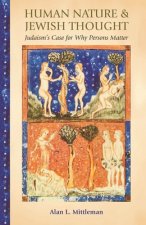
Human Nature & Jewish Thought
25.11 €
Darujte túto knihu ešte dnes
- Objednajte knihu a vyberte Zaslať ako darček.
- Obratom obdržíte darovací poukaz na knihu, ktorý môžete ihneď odovzdať obdarovanému.
- Knihu zašleme na adresu obdarovaného, o nič sa nestaráte.
Informovať o naskladnení knihy
Zadajte do formulára e-mailovú adresu a akonáhle knihu naskladníme, zašleme vám o tom správu. Postrážime všetko za vás.
Viac informácií o knihe Distant Fields
Nákupom získate 49 bodov
 Anotácia knihy
Eighteenth-century English fictions are full of stereotypical images of Wales and the Welsh, from the popular lampooning of the Welsh as dishonest, credulous and superstitious to the idealisation of Wales as the home of the noble savage and a place of natural virtue and innocence. The Wales of these fictions is an imagined nation, rarely brought into being by the Welsh themselves. Moira Dearnley explores a selection of eighteenth-century texts that have received little critical attention in Wales, even as they record a part of the history of the Welsh people. She looks at both familiar and less well-known authors, from Tobias Smollett to Mary 'Perdita' Robinson, and traces the varied ways in which 'that principality contiguous to England' was represented. Distant Fields: Essays on Eighteenth-Century Fictions of Wales is a pioneering book dealing with a little-explored subject and will appeal to all those interested in questions of nation and narration, the cultural and national contexts of eighteenth-century fiction, and the history and development of fictions of Wales.
Parametre knihy
Zaradenie knihy Knihy po anglicky Literature & literary studies Literature: history & criticism Literary studies: general
20.25 €
- Celý názov: Distant Fields
- Podnázov: Essays in Eighteenth Century Fictions of Wales
- Autor: Moira Dearnley
- Jazyk: Angličtina
- Väzba: Pevná
- Počet strán: 304
- EAN: 9780708316955
- ISBN: 0708316956
- ID: 04644397
- Nakladateľ: University of Wales Press
- Hmotnosť: 522 g
- Rozmery: 216 × 138 × 20 mm
- Dátum vydania: 21. September 2001
Obľúbené z iného súdka
-
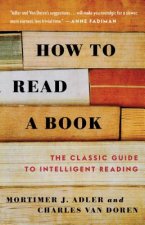
How to Read a Book
14.68 € -7 % -
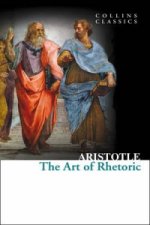
Art of Rhetoric
4.55 € -7 % -
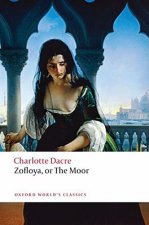
Zofloya
10.12 € -29 % -
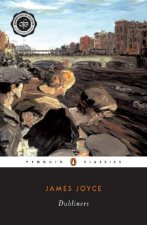
Dubliners
9.31 € -25 % -
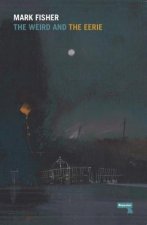
Weird and the Eerie
11.33 € -13 % -
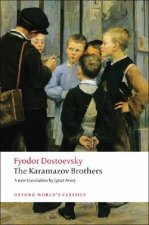
Karamazov Brothers
9.71 € -32 % -
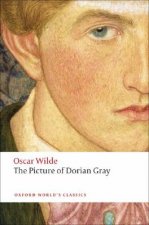
The Picture of Dorian Gray
7.08 € -31 % -

Saga of Tanya the Evil, Vol. 3
10.02 € -24 % -
Odyssey
9.41 € -34 % -
Moby-Dick
27.54 € -
The Poetic Edda
29.26 € -10 % -

Persuasion
5.05 € -26 % -
Great Expectations
8.60 € -16 % -
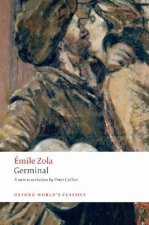
Germinal
7.18 € -25 % -
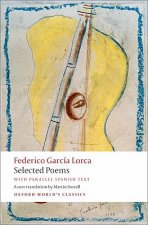
Selected Poems
9.92 € -25 % -

Life of Samuel Johnson
17.92 € -26 % -
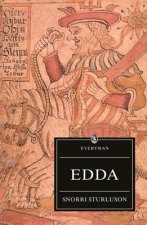
Edda
7.89 € -24 % -

Dream Story
10.83 € -25 % -
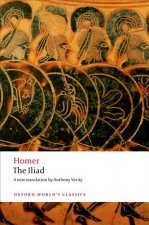
Iliad
10.83 € -25 % -
Selected Poems
13.87 € -21 % -
Complete Short Stories of Ambrose Bierce
21.66 € -25 % -

Annotated Alice
11.13 € -25 % -

Hildegard Of Bingen
10.22 € -17 % -
Metamorphoses
11.64 € -
Wide Sargasso Sea
10.12 € -7 % -
SEOUL University Korean 1B Workbook (QR), m. 1 Audio
34.12 € -
SEOUL University Korean 1B Student's Book (QR), m. 1 Audio
50.12 € -
Sir Gawain and The Green Knight
10.32 € -9 % -

Analysis of Donna Haraway's A Cyborg Manifesto
8.60 € -6 % -
The Heroes of Tolkien
16.90 € -30 % -
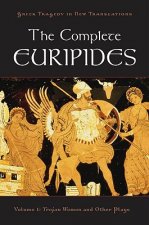
Complete Euripides Volume I Trojan Women and Other Plays
12.04 € -25 % -
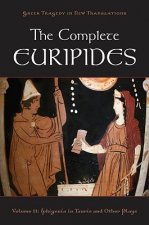
Complete Euripides Volume II Electra and Other Plays
12.04 € -25 % -

Selected Poetry
9.71 € -25 % -
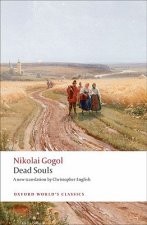
Dead Souls
10.62 € -25 % -

Libertine
130.54 € -9 % -

Willa Cather
31.19 € -

Go
17.71 € -17 % -
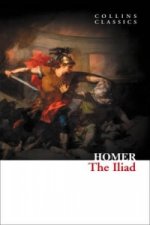
Iliad
4.55 € -13 % -
Two Treatises of Government
7.89 € -24 % -

Twenty Years After
12.04 € -30 % -
Odyssey (Deckle Edge)
18.12 € -25 % -
Anna Karenina
7.38 € -29 % -
Memoirs of a Dutiful Daughter
13.06 € -29 % -
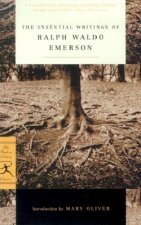
Essential Writings of Ralph Waldo Emerson
18.32 € -24 % -
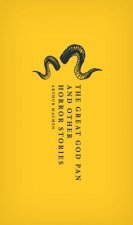
Great God Pan and Other Horror Stories
16.80 € -25 % -

Education of a Wandering Man
7.48 € -28 % -
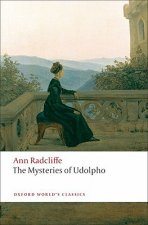
Mysteries of Udolpho
10.22 € -35 % -
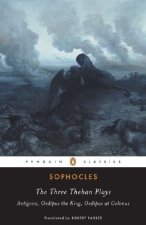
Three Theban Plays
11.43 € -34 % -
Consolation of Philosophy
11.94 € -24 %
Osobný odber Bratislava a 12792 dalších
Copyright ©2008-26 najlacnejsie-knihy.sk Všetky práva vyhradenéSúkromieCookies

 24 miliónov titulov
 Vrátenie do mesiaca
 02/210 210 99 (8-15.30h)