Kód: 12811447
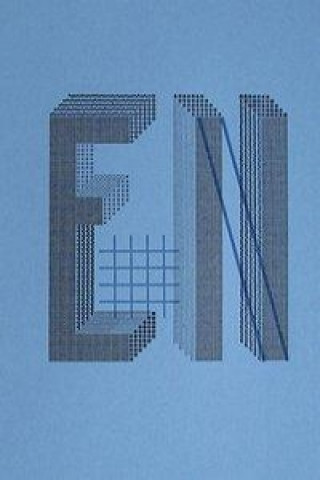
E.N.
Autor Davide Cascio, Egija Inzule
As an expanded system of footnotes to the works by Davide Cascio, the catalogue collects texts and images which circle around the idea of esprit nouveau thinking. In his essay Francesco Pedraglio explains the methodology of Davide ... celý popis


- Jazyk:
 Angličtina
 - Väzba: Brožovaná
- Počet strán: 128
Nakladateľ: Spectormag GbR, 2011
- Viac informácií o knihe

28.15 €
Dostupnosť:
50 % šanca Máme informáciu, že by titul mohol byť dostupný. Na základe vašej objednávky sa ho pokúsime do 6 týždňov zabezpečiť.
Prehľadáme celý svet
Mohlo by sa vám tiež páčiť
-

DARLING in the FRANXX Vol. 3-4
14.78 € -28 % -

Ich weiß jetzt 100 Dinge mehr! Essen
13.76 € -5 % -

Cambridge IGCSE (R) English as a Second Language Coursebook with Digital Access (2 Years) 5 Ed
61.47 € -

The Ruins of Gorlan
14.07 € -25 % -

US Navy A-1 Skyraider Units of the Vietnam War
20.55 € -14 % -

Embodying Pasolini
65.62 € -9 % -
Sigmatismos : ejercicios para pronunciar la S y la Z
35.54 € -

Die kinderspezifische Auslegung des völkerrechtlichen Flüchtlingsbegriffs
83.95 € -

Literature for Young Adults
84.16 € -

Konstytucyjne organy wladzy RP w latach 1989-2011
17.01 € -

Emerie's Reading Log
7.89 € -24 % -

Growing Shoots, Peas and Beans
5.56 € -25 % -

La adivinanza en la zona de los ntumu : tradiciones orales del bosque Fang
21.46 € -

Dar sentido a la vida, ESO. Cuaderno 8
21.36 € -
The Burning Alphabet
15.79 € -9 % -
Cahiers D'Art Revue, No. 1, 2012, French Language Edition: Ellsworth Kelly
112.01 € -

Bon Voyage! Level 3 Audio Activities Booklet
21.06 € -

The Bobbsey Twins at the Seashore: (Laura Lee Hope Children's Classics Collection)
8.09 € -7 % -
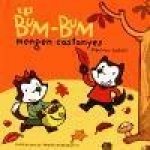
Els bum-bum mengen castanyes
11.33 € -

Shorts: Erinnerungen
8.19 € -9 % -

Brygantka
6.98 € -8 %
Darujte túto knihu ešte dnes
- Objednajte knihu a vyberte Zaslať ako darček.
- Obratom obdržíte darovací poukaz na knihu, ktorý môžete ihneď odovzdať obdarovanému.
- Knihu zašleme na adresu obdarovaného, o nič sa nestaráte.
Informovať o naskladnení knihy
Zadajte do formulára e-mailovú adresu a akonáhle knihu naskladníme, zašleme vám o tom správu. Postrážime všetko za vás.
Viac informácií o knihe E.N.
Nákupom získate 68 bodov
 Anotácia knihy
As an expanded system of footnotes to the works by Davide Cascio, the catalogue collects texts and images which circle around the idea of esprit nouveau thinking. In his essay Francesco Pedraglio explains the methodology of Davide Cascio's frail dialectic between potential future utopias and past artistic phenomena. Additional essays by Annette Amberg and Luigi Fassi mention the programmatic magazine L'Esprit Nouveau founded by Le Corbusier in 1918, the pavilion constructed by Le Corbusier in 1925 for the International Exhibition of Decorative Arts in Paris and Le Cabanon: Le Corbusier's summer cabin, a tiny bolthole built in the south of France in 1952 for his wife. Antje von Graevenitz discuss the architecture of Monte Verita, while Vita Banga relates how the Latvian modernist architect Marta Stana turned the summer house into a kind of functional escape from the confining ideological borders of the Soviet regime in Latvia in the 1960s. A visual essay by Davide Cascio goes along with the texts. »Gusto Gräser refused to live in a hut and was against the use of money. For stretches he would live in the niche of a church or in a small grotto, always seeking a brave woman to live with him there.« (Antje von Graevenitz, For Light and Air: Self-Determination on Monte Veritŕ, 2008.)
Parametre knihy
28.15 €
- Celý názov: E.N.
- Autor: Davide Cascio, Egija Inzule
- Jazyk: Angličtina
- Väzba: Brožovaná
- Počet strán: 128
- EAN: 9783940064103
- ISBN: 3940064106
- ID: 12811447
- Nakladateľ: Spectormag GbR
- Hmotnosť: 195 g
- Rozmery: 230 × 330 × 13 mm
- Dátum vydania: March 2011
Obľúbené z iného súdka
-

Moonwalk
14.17 € -

The Score
13.97 € -19 % -

The Deal
12.65 € -23 % -

The Mistake
14.57 € -12 % -

Jujutsu Kaisen, Vol. 30
9.92 € -20 % -

Witch Hat Atelier: Grimoire Edition 1
34.63 € -29 % -
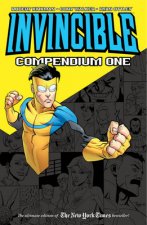
Invincible Compendium Volume 1
45.87 € -24 % -
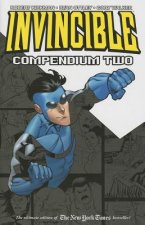
Invincible Compendium Volume 2
48.30 € -22 % -

Berserk Deluxe Volume 1
35.54 € -26 % -

The Goal
14.68 € -11 % -
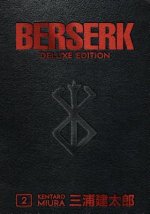
Berserk Deluxe Volume 2
33.31 € -30 % -
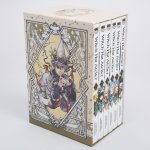
Witch Hat Atelier Manga Box Set 1
56.20 € -25 % -

Heated Rivalry
12.65 € -7 % -
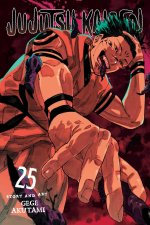
Jujutsu Kaisen, Vol. 25
9.92 € -20 % -

Jujutsu Kaisen, Vol. 26
9.92 € -20 % -
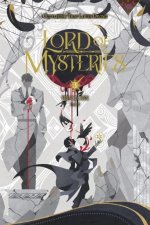
Lord of Mysteries, Vol. 3: The Clown, Part III
14.98 € -29 % -
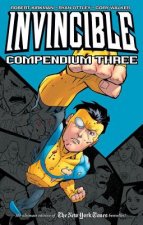
Invincible Compendium Volume 3
45.87 € -24 % -
Jujutsu Kaisen, Vol. 29
9.92 € -20 % -

Moonwalk: A Memoir
21.77 € -24 % -
Murdoku
17.01 € -25 % -
Berserk Deluxe Volume 3
55.19 € -

King of Gluttony
10.22 € -33 % -
White Nights
4.75 € -11 % -

Veil Volume 1
12.04 € -25 % -

Invincible Volume 1
10.02 € -24 % -

The Long Game
13.16 € -3 % -

The Deal
14.07 € -25 % -

Starside (Deluxe Limited Edition)
24.10 € -27 % -

JoJo's Bizarre Adventure: Part 7--Steel Ball Run, Vol. 7
18.32 € -24 % -

Legacy
11.94 € -24 % -

Project Hail Mary
10.52 € -14 % -

Jojo's Bizarre Adventure: Part 7--Steel Ball Run, Vol. 1
18.32 € -24 % -

Jojo's Bizarre Adventure: Part 7--Steel Ball Run, Vol. 2
18.32 € -24 % -

Berserk Deluxe Volume 5
54.89 € -

Berserk Deluxe Volume 4
43.64 € -17 % -
Murdoku
13.76 € -29 % -

Dancing The Dream
26.73 € -19 % -

Jujutsu Kaisen, Vol. 28
10.02 € -23 % -

Boys Omnibus Vol. 1 TPB
23.69 € -30 % -

The Summer Hikaru Died, Vol. 7
11.94 € -21 % -

Chainsaw Man, Vol. 20
9.92 € -20 % -
Project Hail Mary
15.89 € -26 % -

Veil Volume 2
16.09 € -24 % -

The Ballad of Falling Dragons
14.47 € -12 % -

Jujutsu Kaisen, Vol. 1
12.65 € -

The Score
14.07 € -25 % -

Lord of Mysteries, Vol. 1: The Clown, Part I
14.88 € -24 % -

Yesteryear
15.89 € -14 % -

Invincible Volume 2 (New Edition)
11.33 € -25 %
Osobný odber Bratislava a 12792 dalších
Copyright ©2008-26 najlacnejsie-knihy.sk Všetky práva vyhradenéSúkromieCookies

 24 miliónov titulov
 Vrátenie do mesiaca
 02/210 210 99 (8-15.30h)