Kód: 04938885
Indian Craze
Autor Elizabeth Hutchinson
In the early twentieth century, Native American baskets, blankets, and bowls could be purchased from department stores, 'Indian stores', dealers, reform organizations, and government Indian schools. Men and women across the United ... celý popis


- Jazyk:
 Angličtina
 - Väzba: Pevná
- Počet strán: 304
Nakladateľ: Duke University Press, 2009
- Viac informácií o knihe

120.39 €
Dostupnosť:
50 % šanca Máme informáciu, že by titul mohol byť dostupný. Na základe vašej objednávky sa ho pokúsime do 6 týždňov zabezpečiť.
Prehľadáme celý svet
Mohlo by sa vám tiež páčiť
-

How Your Church Family Works
33.81 € -

Diamond Collection Vol.15
19.94 € -

Issues in the Use of Neural Networks in Information Retrieval
103.07 € -7 % -

Quadriregio
22.37 € -14 % -

Materials Fundamentals of Gate Dielectrics
167.88 € -

Husserl's Transcendental Phenomenology
68.14 €
Darujte túto knihu ešte dnes
- Objednajte knihu a vyberte Zaslať ako darček.
- Obratom obdržíte darovací poukaz na knihu, ktorý môžete ihneď odovzdať obdarovanému.
- Knihu zašleme na adresu obdarovaného, o nič sa nestaráte.
Informovať o naskladnení knihy
Zadajte do formulára e-mailovú adresu a akonáhle knihu naskladníme, zašleme vám o tom správu. Postrážime všetko za vás.
Viac informácií o knihe Indian Craze
Nákupom získate 291 bodov
 Anotácia knihy
In the early twentieth century, Native American baskets, blankets, and bowls could be purchased from department stores, 'Indian stores', dealers, reform organizations, and government Indian schools. Men and women across the United States indulged in a widespread passion for collecting Native American art and displaying it in domestic nooks called 'Indian corners'. Elizabeth Hutchinson identifies collecting as part of a larger 'Indian craze', linking it to other activities such as the inclusion of Native American artefacts in art exhibitions sponsored by museums, arts and crafts societies, and World's Fairs and the use of indigenous handicrafts as models for non-Native artists exploring formal abstraction and emerging notions of artistic subjectivity. She argues that the Indian craze convinced policymakers that art was an aspect of 'traditional' Native culture worth preserving, an attitude that continues to influence popular attitudes and federal legislation. Illustrating her argument with images culled from turn-of-the-century publications, Hutchinson revises the standard history of the mainstream interest in Native American material culture as 'art'. While many see this as a development that took place in the Southwest after the First World War, Hutchinson reveals that this cross-cultural conversation occurred earlier and spread across the nation from west to east and from reservation to metropolis. She demonstrates that artists, teachers, and critics associated with the development of American modernism, including Arthur Wesley Dow and Gertrude Kasebier, were inspired by Native art. Native artists were also able to achieve some recognition as modern artists, as Hutchinson shows through her discussion of the Winnebago painter and educator Angel DeCora. By taking a trans-cultural approach, Hutchinson transforms our understanding of the place of Native Americans in modernist culture.
Parametre knihy
Zaradenie knihy Knihy po anglicky The arts History of art / art & design styles Art styles not defined by date
120.39 €
- Celý názov: Indian Craze
- Podnázov: Primitivism, Modernism, and Transculturation in American Art, 1890-1915
- Autor: Elizabeth Hutchinson
- Jazyk: Angličtina
- Väzba: Pevná
- Počet strán: 304
- EAN: 9780822343905
- ISBN: 0822343908
- ID: 04938885
- Nakladateľ: Duke University Press
- Hmotnosť: 907 g
- Rozmery: 257 × 183 × 28 mm
- Dátum vydania: 23. March 2009
Obľúbené z iného súdka
-
Inside Japanese Ceramics
24.70 € -28 % -

Complete Woodblock Prints of Kitagawa Utamaro
55.89 € -20 % -

Designa
23.99 € -15 % -

Heart of the Brush
28.04 € -27 % -
Japanese Design Motifs
21.66 € -25 % -

Bluets
12.24 € -30 % -

Medicine in Art
24.19 € -3 % -

Louvre: All The Paintings
54.57 € -27 % -

Skateboard Art of Jim Phillips
21.76 € -24 % -
Rousseau
16.19 € -24 % -
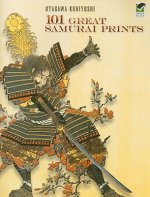
101 Great Samurai Prints
16.80 € -25 % -

Hokusai Pop-ups
25.10 € -25 % -

Three Thousand Years of Chinese Painting
63.18 € -

Shodo
25.10 € -25 % -

Japanese Art
16.70 € -15 % -

Islamic Art and Architecture
19.84 € -30 % -

Buddhist Art and Architecture
17.61 € -18 % -

Hermitage
41.10 € -22 % -

Jia Aili
58.32 € -8 % -

Big Book Indian Beadwork Designs
8.60 € -24 % -

Complete Codex Zouche-Nuttall
63.99 € -5 % -
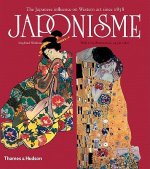
Japonisme
69.25 € -

Grammar of Ornament
35.43 € -25 % -

Unknown Craftsman, The: A Japanese Insight Into Beauty
24.70 € -28 % -
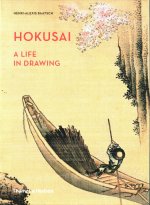
Hokusai
29.86 € -24 % -

On Weaving
45.86 € -24 % -
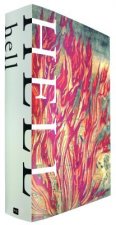
Hell in Japanese Art
52.75 € -25 % -
Sumi-e
28.55 € -25 % -

Shunga
63.08 € -24 % -

Beautiful Fighting Girl
20.34 € -5 % -
Why Are We 'Artists'?
12.55 € -20 % -

Chinese Wallpaper in Britain and Ireland
46.77 € -5 % -

Plains Indian Rock Art
26.72 € -22 % -

800 Classic Ornaments and Designs
12.75 € -24 % -

Ukiyo-e
25.10 € -25 % -

Book of the Dog
13.86 € -22 % -
Netsuke
16.09 € -24 % -
Hiroshige: Meguro (Foiled Pocket Journal)
8.60 € -14 % -

Art of Chinese Brush Painting
28.04 € -9 % -
Japanese Woodblock Prints
35.43 € -25 % -

50 Women Artists You Should Know
16.90 € -25 % -

Bark Canoes and Skin Boats of Northern Eurasia
46.17 € -4 % -

Japanese Art and Design
35.94 € -15 % -

Classic Penguin: Cover To Cover
21.96 € -26 % -

Chinese Characters
26.93 € -

Arts of Korea - MFA Highlights
16.50 € -25 % -

Chinese Art
16.19 € -17 % -

Mural Art
49.51 € -18 % -

Hiroshige: Landscape, Cityscape
14.47 € -33 %
Osobný odber Bratislava a 12542 dalších
Copyright ©2008-26 najlacnejsie-knihy.sk Všetky práva vyhradenéSúkromieCookies

 24 miliónov titulov
 Vrátenie do mesiaca
 02/210 210 99 (8-15.30h)