Kód: 04938405
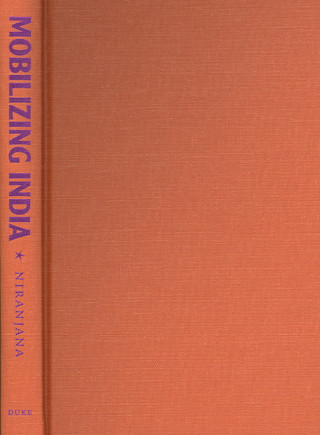
Mobilizing India
Autor Tejaswini Niranjana
Descendants of indentured labourers brought from India to the Caribbean between 1845 and 1917 comprise more than forty percent of Trinidad's population today. While many Indo-Trinidadians identify themselves as Indian, what "India ... celý popis


- Jazyk:
 Angličtina
 - Väzba: Pevná
- Počet strán: 288
Nakladateľ: Duke University Press, 2006
- Viac informácií o knihe

126.06 €
Dostupnosť:
50 % šanca Máme informáciu, že by titul mohol byť dostupný. Na základe vašej objednávky sa ho pokúsime do 6 týždňov zabezpečiť.
Prehľadáme celý svet
Mohlo by sa vám tiež páčiť
-

Rival Darling
15.48 € -20 % -

The Wrong Bachelor
15.69 € -2 % -

Diary of a Madman, The Government Inspector, & Selected Stories
12.95 € -23 % -

Cati y Tomi van de paseo
3.43 € -8 % -

Groaning of Creation
27.23 € -25 % -

A Concise History of Painting, From Giotto to Cézanne
22.88 € -2 % -

VAMPIRE KNIGHT T02 ED DOUBLE
13.46 € -

Contaminated Soil '88
538.20 € -

Das Wasser
34.82 € -11 % -

Yearbook of Morphology 2001
154.52 € -7 % -

Biographies for Young People
30.06 € -2 % -

Undressing The Academy
8.90 € -

Position-Sensitive Gaseous Photomultipliers
252.74 € -

Memoirs of Doctor Burney
48.80 € -

Mapping the Moral Domain
25.10 € -

BALLADE AUTOUR D'UN ARCHET
21.76 € -

Adult Coloring Journal
12.45 € -

Nobody's Child
26.32 € -

Commentaries on the Laws of England: In Four Books. Volume 2 of 4
30.98 € -2 % -

Philosophy Explained: Constructing Meaning: The Art of Philosophy
9 € -6 % -

Our Kate
11.84 € -25 %
Darujte túto knihu ešte dnes
- Objednajte knihu a vyberte Zaslať ako darček.
- Obratom obdržíte darovací poukaz na knihu, ktorý môžete ihneď odovzdať obdarovanému.
- Knihu zašleme na adresu obdarovaného, o nič sa nestaráte.
Informovať o naskladnení knihy
Zadajte do formulára e-mailovú adresu a akonáhle knihu naskladníme, zašleme vám o tom správu. Postrážime všetko za vás.
Viac informácií o knihe Mobilizing India
Nákupom získate 305 bodov
 Anotácia knihy
Descendants of indentured labourers brought from India to the Caribbean between 1845 and 1917 comprise more than forty percent of Trinidad's population today. While many Indo-Trinidadians identify themselves as Indian, what "Indian" signifies - about nationalism, gender, culture, caste, race, and religion - in the Caribbean is different from what it means on the subcontinent. Yet the ways that "Indianness" is conceived of and performed in India and in Trinidad have historically been, and remain, intimately related. Offering an innovative analysis of how ideas of Indian identity negotiated within the Indian diaspora in Trinidad affect cultural identities "back home," Tejaswini Niranjana models a necessary project: comparative research across the global South, scholarship which decentres the "first world" West as the referent against which postcolonial subjects understand themselves and are understood by others. Niranjana draws on nineteenth-century travel narratives, anthropological and historical studies of Trinidad, Hindi film music, and the lyrics, performance, and reception of chutney-soca and calypso songs to argue that perceptions of Indian female sexuality in Trinidad have long been central to the formation and disruption of dominant narratives of nationhood, modernity, and normative sexuality in India. She illuminates debates in India about "the woman question" as they played out in the early-twentieth-century campaign against indentured servitude in the tropics. In so doing, she reveals India's disavowal of the indentured woman - seen to be rendered morally depraved by her forced labour in Trinidad - as central to its own anti-colonial struggle. Turning to the present, Niranjana looks to Trinidad's most dynamic site of cultural negotiation: popular music. She describes how contested ideas of Indian femininity are staged by contemporary Trinidadian musicians - male and female, of both Indian and African descent - in genres ranging from new hybrids like chutney-soca to the older but still vibrant music of Afro-Caribbean calypso.
Parametre knihy
Zaradenie knihy Knihy po anglicky Society & social sciences Society & culture: general Social groups
126.06 €
- Celý názov: Mobilizing India
- Podnázov: Women, Music, and Migration Between India and Trinidad
- Autor: Tejaswini Niranjana
- Jazyk: Angličtina
- Väzba: Pevná
- Počet strán: 288
- EAN: 9780822338284
- ISBN: 0822338289
- ID: 04938405
- Nakladateľ: Duke University Press
- Hmotnosť: 567 g
- Rozmery: 242 × 159 × 24 mm
- Dátum vydania: 12. October 2006
Obľúbené z iného súdka
-

Women Who Run with the Wolves
9 € -37 % -

Orientalism
13.05 € -25 % -

When God Was A Woman
14.67 € -22 % -

Goddesses in Everywoman
15.08 € -30 % -

Women Who Run With The Wolves
15.08 € -25 % -

The Velvet Rage
13.76 € -32 % -

Pink Marine
14.77 € -25 % -

Manipulated Man
12.04 € -24 % -

Why Does He Do That?
16.70 € -24 % -

The Way of Men
16.60 € -

Complete Persepolis
22.27 € -20 % -

Distinction
28.85 € -

Witches, Midwives, And Nurses
11.74 € -

Devotion
10.52 € -8 % -

Beauty Myth
13.05 € -29 % -

Ladies' Book of Etiquette and Manual of Politeness
11.23 € -25 % -

Iron John
14.98 € -29 % -

Story of the Jews
14.47 € -29 % -

Third Culture Kids
21.76 € -24 % -

Untouchable
20.34 € -24 % -

Skateboarding, Space and the City
50.52 € -

Comanches
16.09 € -24 % -

Compelled to Witness
11.33 € -24 % -

Uncle Tom's Cabin
5.15 € -30 % -

Returning to Reims
14.57 € -21 % -

Persepolis
23.08 € -25 % -

Woman in the Shaman's Body
13.46 € -24 % -

Masculine Domination
21.46 € -11 % -

Seize the Dance
58.92 € -

Prozac Nation
14.37 € -9 % -

Osages
34.12 € -

Yiddishe Kop
16.19 € -17 % -

Black Fortunes
14.07 € -25 % -

Vindication of the Rights of Women
14.27 € -2 % -

Rise of Victimhood Culture
35.53 € -24 % -

Northwest Coast Indian Art
23.18 € -21 % -

Yes, You Are Trans Enough
18.22 € -25 % -

Die Nigger Die!
12.45 € -21 % -

How Europe Underdeveloped Africa
23.28 € -1 % -

The Autobiography of Malcolm X
9.10 € -19 % -

Manhood
21.25 € -25 % -

Iron John
14.77 € -25 % -

Sister Outsider
9.81 € -34 % -

Notes of a Native Son
11.74 € -21 % -

Generations
16.19 € -25 % -

The Second Sex
14.98 € -29 % -

Who Cooked the Last Supper?
19.23 € -10 % -

The Mastery of Love
11.64 € -18 % -

The Male Nude
19.63 € -14 %
Osobný odber Bratislava a 12593 dalších
Copyright ©2008-26 najlacnejsie-knihy.sk Všetky práva vyhradenéSúkromieCookies

 24 miliónov titulov
 Vrátenie do mesiaca
 02/210 210 99 (8-15.30h)