Kód: 32902597
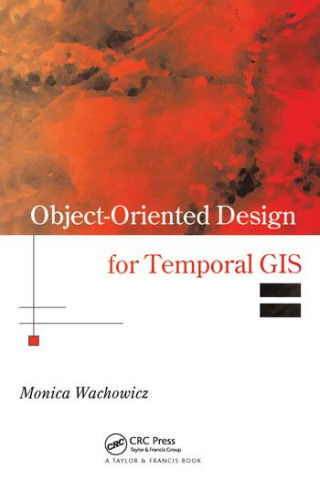
Object-Oriented Design for Temporal GIS
Autor Monica Wachowicz
There has been an increasing demand in GIS for systems that support historical data: time-series data as well as mobility information. From a modelling perspective, there are advantages in integrating object-oriented analysis and ... celý popis


- Jazyk:
 Angličtina
 - Väzba: Brožovaná
- Počet strán: 132
Nakladateľ: Taylor & Francis Ltd, 2020
- Viac informácií o knihe

72.90 €
Bežne: 72.90 €
Ušetríte 0 €
Dostupnosť:
50 % šanca Máme informáciu, že by titul mohol byť dostupný. Na základe vašej objednávky sa ho pokúsime do 6 týždňov zabezpečiť.
Prehľadáme celý svet
Mohlo by sa vám tiež páčiť

Darujte túto knihu ešte dnes
- Objednajte knihu a vyberte Zaslať ako darček.
- Obratom obdržíte darovací poukaz na knihu, ktorý môžete ihneď odovzdať obdarovanému.
- Knihu zašleme na adresu obdarovaného, o nič sa nestaráte.
Informovať o naskladnení knihy
Zadajte do formulára e-mailovú adresu a akonáhle knihu naskladníme, zašleme vám o tom správu. Postrážime všetko za vás.
Viac informácií o knihe Object-Oriented Design for Temporal GIS
Nákupom získate 176 bodov
 Anotácia knihy
There has been an increasing demand in GIS for systems that support historical data: time-series data as well as mobility information. From a modelling perspective, there are advantages in integrating object-oriented analysis and design to databases as well as to visualisation capabilities of GIS.
Object-Oriented Design for Temporal GIS explores the major components of the object-oriented analysis and design methods, how they can be used for modelling spatio-temporal data, and how these components are developed and maintained within a GIS. It also offers practical guidance to object-oriented methods by demonstrating the feasibility of applying such methods to issues involved in handling spatio-temporal data. The author demonstrates how this knowledge might be used in a wide range of applications such as political boundary record maintenance (historical data), disease incidence rate analysis in epidemics (diffusion rate), and environmental studies of climate change (time-series data). This understanding contributes to the development of theory in GIS and improves the design of GIS to support the modelling of semantics, space and time elements of geographical information.
Parametre knihy
72.90 €
- Celý názov: Object-Oriented Design for Temporal GIS
- Autor: Monica Wachowicz
- Jazyk: Angličtina
- Väzba: Brožovaná
- Počet strán: 132
- EAN: 9780367579173
- ISBN: 0367579170
- ID: 32902597
- Nakladateľ: Taylor & Francis Ltd
- Hmotnosť: 249 g
- Rozmery: 229 × 152 mm
- Dátum vydania: 30. June 2020
Obľúbené z iného súdka
-

Moonwalk
14.07 € -

The Score
13.76 € -12 % -

The Deal
12.34 € -21 % -

The Mistake
14.47 € -8 % -

Jujutsu Kaisen, Vol. 30
9.61 € -22 % -

Berserk Deluxe Volume 1
35.63 € -25 % -

Invincible Compendium Volume 2
42.32 € -30 % -

The Goal
14.57 € -7 % -

Witch Hat Atelier: Grimoire Edition 1
34.62 € -29 % -

Berserk Deluxe Volume 2
33.10 € -31 % -

Murdoku
18.12 € -25 % -

Lord of Mysteries, Vol. 3: The Clown, Part III
14.98 € -24 % -

Witch Hat Atelier Manga Box Set 1
51.33 € -31 % -

Jujutsu Kaisen, Vol. 25
9.71 € -25 % -

Moonwalk: A Memoir
19.94 € -31 % -

Legacy
11.94 € -24 % -

Heated Rivalry
12.55 € -7 % -

JoJo's Bizarre Adventure: Part 7--Steel Ball Run, Vol. 7
18.22 € -25 % -

Berserk Deluxe Volume 3
55.08 € -

Jujutsu Kaisen, Vol. 26
9.31 € -25 % -

White Nights
4.75 € -11 % -

Jujutsu Kaisen, Vol. 29
9.91 € -20 % -

Veil Volume 1
12.04 € -25 % -

The Deal
13.76 € -26 % -

Invincible Compendium Volume 3
45.05 € -26 % -

Dancing The Dream
23.28 € -29 % -

The Long Game
13.05 € -4 % -

Berserk Deluxe Volume 5
54.77 € -

Yesteryear
15.99 € -13 % -

Jujutsu Kaisen, Vol. 28
7.69 € -30 % -

The Summer Hikaru Died, Vol. 7
11.94 € -21 % -

Invincible Volume 1
10.42 € -21 % -

Chainsaw Man, Vol. 21
9.31 € -25 % -

Berserk Deluxe Volume 4
43.53 € -16 % -

Murdoku
14.67 € -22 % -

Starside (Deluxe Limited Edition)
24.09 € -27 % -

King of Gluttony
10.22 € -33 % -

Boys Omnibus Vol. 1 TPB
26.32 € -38 % -

Project Hail Mary
10.52 € -24 % -

The Ballad of Falling Dragons
14.17 € -14 % -

Jojo's Bizarre Adventure: Part 7--Steel Ball Run, Vol. 1
18.32 € -24 % -

The Mistake
13.76 € -26 % -

The Courage To Be Disliked
10.62 € -26 % -

The Score
14.67 € -22 % -

Lord of Mysteries, Vol. 1: The Clown, Part I
14.88 € -24 % -

Veil Volume 2
12.04 € -25 % -

Jujutsu Kaisen, Vol. 1
12.65 € -4 % -

Jojo's Bizarre Adventure: Part 7--Steel Ball Run, Vol. 2
18.93 € -22 % -

The Score (Collector's Edition)
22.17 € -29 %
Osobný odber Bratislava a 12742 dalších
Copyright ©2008-26 najlacnejsie-knihy.sk Všetky práva vyhradenéSúkromieCookies

 24 miliónov titulov
 Vrátenie do mesiaca
 02/210 210 99 (8-15.30h)