Kód: 18716941
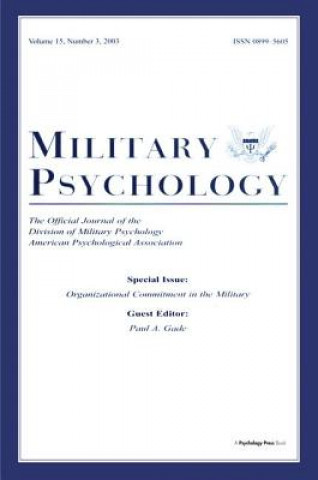
Organizational Commitment in the Military
Autor Paul A. Gade
Decision making plays a major role in virtually every theory of organizational behavior. However, decision theory has not provided organizational theorists with useful descriptions of how decisions are made, either by individuals ... celý popis


- Jazyk:
 Angličtina
 - Väzba: Pevná
- Počet strán: 96
Nakladateľ: Taylor & Francis Ltd, 2017
- Viac informácií o knihe

278.74 €
Bežne: 278.75 €
Ušetríte 0.02 €
Dostupnosť:
50 % šanca Máme informáciu, že by titul mohol byť dostupný. Na základe vašej objednávky sa ho pokúsime do 6 týždňov zabezpečiť.
Prehľadáme celý svet
Mohlo by sa vám tiež páčiť
-

Blade of the Immortal Deluxe Volume 9
35.50 € -24 % -
Cognitive Behavioural Coaching
38.13 € -

Orangutan
6.77 € -1 % -

Vezmu tě a odvedu tě pryč
13.04 € -

Game Development Patterns with Unity 2021
67.07 € -1 % -

Colombia Sketh Coloring Book: Best In Travel 2017
3.73 € -51 % -

Learning to Imagine
37.93 € -12 % -

Project Management Maturity Model
56.04 € -

Struggle for Mastery in Europe, 1848-1918
197.19 € -

Designing for Learning in a Networked World
64.95 € -

Fundamentos de seguridad en redes : aplicaciones y estándares
51.69 € -

Nu ! Lakuriq!: Livre d'images pour enfants Français-Albanais (Édition bilingue)
10.82 € -6 % -

SPA-PELIGO EL LIBRO DE LOS DIN
13.95 € -9 % -

The Marquise de Fontenoy's Revelation of High Life within Royal Palaces
35.71 € -14 % -

Memorial Of John Ross And Others
15.67 € -2 % -

Experimental Study of the Project Criss Reading Program on Grade 9 Reading Achievement in Rural High Schools - Scholar's Choice Edition
15.67 € -2 % -

The Dramatic Writings of John Bale, Bishop of Ossory (1907)
31.86 € -2 % -

Japan's Case in the Sino-Japanese Dispute as Presented Before the Special Session of the Assembly of the League of Nations.
15.67 € -2 % -
Kill the Elevator Speech
15.77 € -1 % -

Happy Thanksgiving! Thanksgiving Coloring Books Children's Thanksgiving Books
12.03 € -25 % -

Looking for X
9.30 € -14 % -

Warning: Professional Sports Don't Make Millionaires: A Fable Containing Proven Business Strategies for Athletes
14.05 € -7 % -

Physical Reality and Common Sense
20.33 € -

From Conception to Two Years
199.82 € -

When I Grow Up
8.99 € -7 % -

Nouvel Essai Sur L'�quitation, Et Seconde Expression Du Bauch�risme
13.24 € -25 % -

Medium Graph Composition Book: Geometric Prism (Style C), Numbered Pages
8.08 € -7 % -

When Sparks Fly
9.80 € -6 %
Darujte túto knihu ešte dnes
- Objednajte knihu a vyberte Zaslať ako darček.
- Obratom obdržíte darovací poukaz na knihu, ktorý môžete ihneď odovzdať obdarovanému.
- Knihu zašleme na adresu obdarovaného, o nič sa nestaráte.
Informovať o naskladnení knihy
Zadajte do formulára e-mailovú adresu a akonáhle knihu naskladníme, zašleme vám o tom správu. Postrážime všetko za vás.
Viac informácií o knihe Organizational Commitment in the Military
Nákupom získate 674 bodov
 Anotácia knihy
Decision making plays a major role in virtually every theory of organizational behavior. However, decision theory has not provided organizational theorists with useful descriptions of how decisions are made, either by individuals or by individuals in organizations. The earliest offering came from economics in the form of the "normative" rational view of decision making. The underlying presumption was that decision makers are all striving to maximize return or minimize loss, that decisions are based upon unlimited information, and that they have the capacity to use the information efficiently. They know the options open to them and the consequences of pursuing one or another of those options. The optimal course of action is revealed by applying the appropriate analysis and choosing the most profitable option. The key concepts are rationality, analysis, orderliness, and maximization, and even a moment''s thought demonstrates the gap between these concepts and real-life experience. From the viewpoint of organizational theory, the primary problem with the normative view of decision making, and by analogy with much behavioral decision research, is its reliance on the "gamble metaphor." That is, decisions are characterized as gambles in an effort to capture the inherent risk. This metaphor has the advantage of simplicity, but it is a flawed simplicity. This book is about a different kind of behavioral theory -- image theory. It is a psychological theory of decision making that abandons the gamble metaphor and the normative logic that the metaphor supports. Instead it sees decision making as guided by the beliefs and values that the decision maker, or a community of decision makers, holds to be relevant to the decision at hand. These beliefs and values dictate the goals of the decision. The point is to craft a course of action that will achieve these goals without interfering with the pursuit of other goals. The book begins with an overview of image theory that ou
Parametre knihy
Zaradenie knihy Knihy po anglicky Society & social sciences Psychology Occupational & industrial psychology
278.74 €
- Celý názov: Organizational Commitment in the Military
- Autor: Paul A. Gade
- Jazyk: Angličtina
- Väzba: Pevná
- Počet strán: 96
- EAN: 9781138475656
- ISBN: 9781138475656
- ID: 18716941
- Nakladateľ: Taylor & Francis Ltd
- Hmotnosť: 330 g
- Rozmery: 229 × 152 mm
- Dátum vydania: 06. October 2017
Obľúbené z iného súdka
-
Speed of Trust
18.61 € -12 % -

Acceptance and Commitment Coaching
30.24 € -
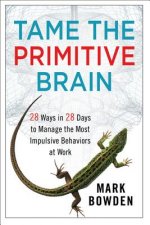
Tame the Primitive Brain - 28 Ways in 28 Days to Manage the Most Impulsive Behaviors at Work
19.62 € -25 % -
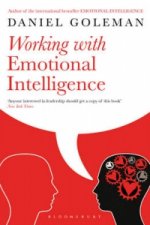
Working with Emotional Intelligence
13.04 € -29 % -

Burnout
13.45 € -24 % -

Triggers
11.93 € -22 % -

Perception and Misperception in International Politics
34.59 € -2 % -
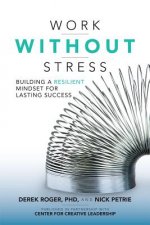
Work without Stress: Building a Resilient Mindset for Lasting Success
23.56 € -25 % -

Conflict Culture Playbook
33.68 € -14 % -

Art Of Happiness At Work
13.95 € -24 % -

Dialogical Therapist
54.73 € -

Introduction to Work and Organizational Psychology - An International Perspective 3e
56.95 € -
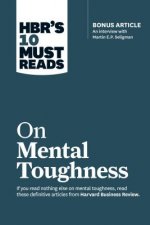
HBR's 10 Must Reads on Mental Toughness (with bonus interview "Post-Traumatic Growth and Building Resilience" with Martin Seligman) (HBR's 10 Must Rea
18.20 € -25 % -

Emotionally Intelligent Office
11.02 € -30 % -
Speed of Trust
14.26 € -9 % -
Born to Build
29.53 € -14 % -

Was That Really Me?
16.08 € -24 % -

What Business Can Learn from Sport Psychology
26.50 € -2 % -

Organizations
40.06 € -2 % -

Facilitating Collective Intelligence
44.10 € -
Iconoclast
22.86 € -9 % -

Are Leaders Born or Are They Made?
38.13 € -

Organizational Consulting
55.94 € -

Occupational Health Psychology
76.28 € -

Big Book of Stress Relief Games: Quick, Fun Activities for Feeling Better
8.59 € -72 % -
Power of Giving Away Power
16.08 € -24 % -

Don't Bring It to Work - Breaking the Family Patterns that Limit Success
18.20 € -25 % -

Day in the Life of a Happy Worker
54.02 € -

Manipulation als System
14.36 € -9 % -

Office Politics
18.10 € -25 % -

Burnout Companion To Study And Practice
102.69 € -

Sensemaking in Organizations
90.34 € -9 % -

Burnout at Work
63.93 € -

Strong Brands, Strong Relationships
81.84 € -
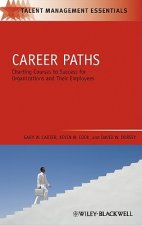
Career Paths - Charting Courses to Success for Organizations and Their Employees
36.21 € -9 % -

Journey to a Personal Brand
86.70 € -
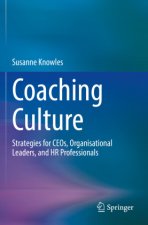
Coaching Culture
50.58 € -9 % -
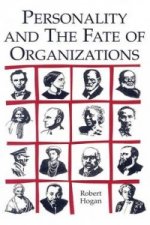
Personality and the Fate of Organizations
199.82 € -

Hdbk of Military Psychology
1189.04 € -10 % -

Healthy Work
29.84 € -

Compensation in Organizations: Current Research an Practice
67.88 € -2 % -

Individuals, Groups and Organizations Beneath the Surface
47.04 € -

Building Resilience for Success
68.49 € -

Managing Motivation
199.82 € -

Selflessness in Business
49.97 € -1 % -

Happy Lawyer
17.59 € -24 % -

Wiley-Blackwell Handbook of the Psychology of Coaching and Mentoring
52.91 € -1 % -
You brand
12.84 € -25 % -
Team Effectiveness In Complex Organizations
189.90 €
Osobný odber Bratislava a 12744 dalších
Copyright ©2008-26 najlacnejsie-knihy.sk Všetky práva vyhradenéSúkromieCookies

 24 miliónov titulov
 Vrátenie do mesiaca
 02/210 210 99 (8-15.30h)