
Kód: 50902901
Widows
Autor Mineke Schipper
In Japanese, the word for widow – a woman who has outlived her husband – literally translates as ‘she who has not yet died.’ For millennia, widows have lived on the margins of society: banished to the wilderness, silenced, and shr ... celý popis


- Jazyk:
 Angličtina
 - Väzba: Pevná
- Počet strán: 288
Nakladateľ: Saqi Books, 2027
- Viac informácií o knihe

18.22 €
Bežne: 24.33 €
Ušetríte 6.11 €

Mohlo by sa vám tiež páčiť
-

Moonwalk
14.17 € -

The Score
13.66 € -13 % -

The Deal
12.65 € -23 % -

The Mistake
14.57 € -12 % -

Jujutsu Kaisen, Vol. 30
9.92 € -20 % -

Witch Hat Atelier: Grimoire Edition 1
34.63 € -29 % -

Invincible Compendium Volume 1
45.87 € -24 % -
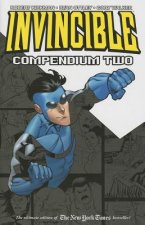
Invincible Compendium Volume 2
48.30 € -22 % -

Berserk Deluxe Volume 1
35.54 € -26 % -

The Goal
14.68 € -11 % -
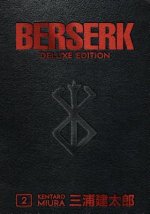
Berserk Deluxe Volume 2
33.31 € -30 % -
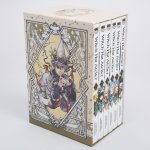
Witch Hat Atelier Manga Box Set 1
56.20 € -25 % -

Heated Rivalry
12.65 € -7 % -

Jujutsu Kaisen, Vol. 25
9.92 € -20 % -

Jujutsu Kaisen, Vol. 26
9.92 € -20 % -
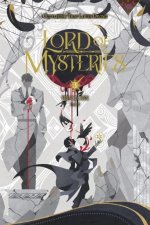
Lord of Mysteries, Vol. 3: The Clown, Part III
14.98 € -29 % -

Invincible Compendium Volume 3
45.87 € -24 % -

Jujutsu Kaisen, Vol. 29
9.92 € -20 % -

Moonwalk: A Memoir
21.77 € -24 % -
Murdoku
17.01 € -25 % -

Berserk Deluxe Volume 3
55.19 €
Darujte túto knihu ešte dnes
- Objednajte knihu a vyberte Zaslať ako darček.
- Obratom obdržíte darovací poukaz na knihu, ktorý môžete ihneď odovzdať obdarovanému.
- Knihu zašleme na adresu obdarovaného, o nič sa nestaráte.
Informovať o naskladnení knihy
Zadajte do formulára e-mailovú adresu a akonáhle knihu naskladníme, zašleme vám o tom správu. Postrážime všetko za vás.
Viac informácií o knihe Widows
Nákupom získate 44 bodov
 Anotácia knihy
In Japanese, the word for widow – a woman who has outlived her husband – literally translates as ‘she who has not yet died.’ For millennia, widows have lived on the margins of society: banished to the wilderness, silenced, and shrouded in black or white. Across cultures, laws and local customs have maligned them as witches, dependants or objects of pity. In some traditions, widows are expected to remarry within the husband’s family, or even – in extreme cases – commit self-immolation – expectations not placed on men. Yet widowhood has also brought unexpected freedoms: financial, social and sexual autonomy denied to married women. In medieval Europe, widows owned property and ran businesses; in India’s Maratha courts, they wielded political influence long before married women could. Drawing on sources from Ancient Egypt and Greece to Africa, the Americas and beyond, cultural historian Mineke Schipper explores widowhood as both oppression and liberation. Widows reveals one of feminism’s last great taboos, and the story of women the world has long refused to see.
Parametre knihy
Zaradenie knihy Knihy po nemecky Sozialwissenschaften, Recht, Wirtschaft Medien, Kommunikation Medienwissenschaft
18.22 €
- Celý názov: Widows
- Autor: Mineke Schipper
- Jazyk: Angličtina
- Väzba: Pevná
- Počet strán: 288
- EAN: 9781908906694
- ISBN: 1908906693
- ID: 50902901
- Nakladateľ: Saqi Books
- Hmotnosť: 370 g
- Dátum vydania: 19. January 2027
Osobný odber Bratislava a 12792 dalších
Copyright ©2008-26 najlacnejsie-knihy.sk Všetky práva vyhradenéSúkromieCookies

 24 miliónov titulov
 Vrátenie do mesiaca
 02/210 210 99 (8-15.30h)